


Barcode Ink: A Basic Guide to Ink Types and How to Use Them
In the context of industrialization and digitalization increasingly developing in Vietnam, the use of barcode ink is becoming a key factor to improve the efficiency of goods management and supply chain. Barcode ink not only helps to create clear labels but also ensures durability in harsh working environments. This article will provide basic instructions on barcode ink, from definition, common types of ink to effective use. At Nam Viet Group , we specialize in providing high-quality barcode ink, helping businesses optimize production and logistics processes.
What is Barcode Ink?
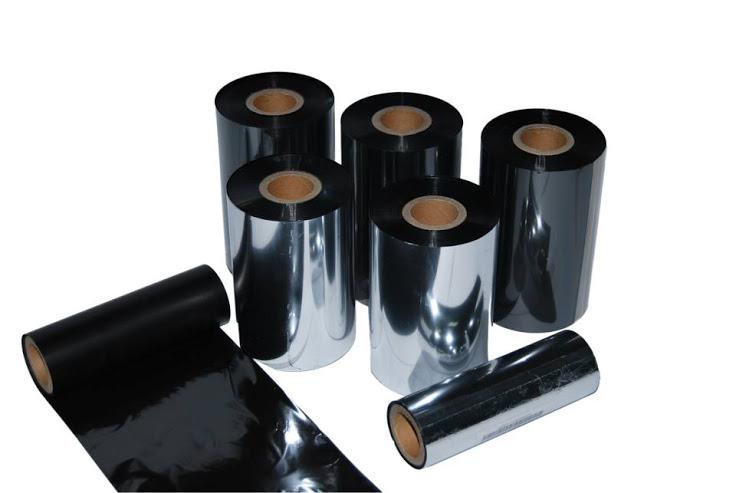
Barcode ink , also known as thermal ribbon or thermal transfer ribbon, is a roll of ink used in thermal transfer printers. It works by transferring ink to the label surface through heat from the print head, creating a durable image, barcode or product information. Unlike direct thermal printing, which does not require ink, thermal transfer printing uses ribbon to increase durability and resistance to water and chemicals.
Barcode inks are usually made from materials such as wax, resin or a combination of both. According to specialized sources, thermal printing ribbons have been developed since the 1980s and today account for a large proportion of industrial applications due to their versatility. In Vietnam, barcode inks are widely used in the manufacturing, retail and logistics industries, helping businesses comply with international standards such as GS1.
Popular Types of Barcode Ink
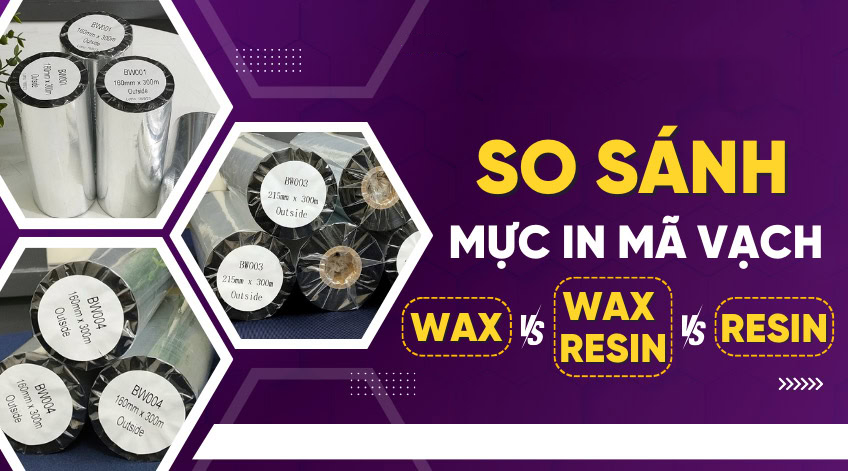
There are three main types of barcode ink, each suited to different needs in terms of durability and cost. Here is a detailed breakdown:
- Wax Ink: This is the most common type, accounting for about 75% of applications. The main ingredient is wax, suitable for printing on regular paper or light glossy paper. Characteristics: Cheap, high speed printing, but low durability, easy to fade under high temperature or humidity. Applications: Shipping labels, product prices in supermarkets.
- Wax-Resin Ink: A blend of approximately 50% wax and 50% resin, providing medium durability. It is more resistant to scratches, mild chemicals, and temperatures up to 100°C. Suitable for printing on synthetic or glossy paper. Applications: Asset tags, product labels in cold storage or humid environments.
- Resin Ink: The main ingredient is plastic, providing the highest durability. Resistant to strong chemicals, temperatures up to 200°C, and UV rays. However, the price is higher and requires a specialized printer. Applications: Labels in the chemical, medical or harsh environments such as outdoors.
There are also variations such as premium ribbons from Zebra or TSC, for example the Zebra 6100 is a high quality wax-resin. When choosing an ink, businesses need to consider the printing surface (paper, plastic, fabric) and the environment in which it is used to avoid waste.
Outstanding Features of Barcode Ink
Barcode ink possesses many outstanding features, making it the top choice in the industry:
- Durability and Resistance: Depending on the type, ribbons can be resistant to heat, water, chemicals, and scratches. For example, resin ribbons are resistant to chemicals.
- High Print Speed: Supports fast printing, up to 12 inches/second, suitable for large production.
- Widely Compatible: Fits most barcode printers such as Zebra, Godex, TSC.
- Cost Savings: Wax ribbon is inexpensive, helping to reduce costs for high volume printing.
- Environmental Protection: Some types of ribbon are environmentally friendly, containing no toxic substances.
These features help barcode ink reduce printing errors and increase label life up to years.
Instructions on How to Use Barcode Ink
Using barcode ink properly helps prolong the life of the printer and ensures print quality. Here are basic instructions:
How to Install Printer Ink
- Turn Off Printer: Make sure the printer is turned off to avoid accidents.
- Open the Printhead Cover and Head: Press the printhead release button (usually on either side).
- Remove Old Ink: Pull the old ink roll out counterclockwise.
- Install New Ink: Position the ink roll so that the ink side (shiny side) is in contact with the paper. Pull the ink head over the print head and the excess roll.
- Close the Print Head and Cover: Check and turn on the machine, run a test print.
Maintenance
- Clean the print head periodically with isopropyl alcohol to avoid dirt.
- Store ink in a dry place, temperature 5-40°C, avoid direct sunlight.
- Check periodically to replace ink in time to avoid blurred printing.
If you encounter errors such as misaligned or blurred prints, check compatibility between the ink and paper.
Applications and Benefits of Barcode Ink in Industry
Barcode ink is widely used in Vietnam:
Warehouse Management: Print tracking labels for goods, reduce inventory time.
Manufacturing Industry: Product labels, component tracking.
Retail and Logistics: Price tags, shipping, anti-counterfeiting.
Medical and Chemical: Use resin ribbon for durable labels.
Large enterprises such as VinGroup or Petrolimex have applied to increase efficiency.
Using barcode ink brings many benefits:
Cost Savings: Reduce paper waste and reprint time.
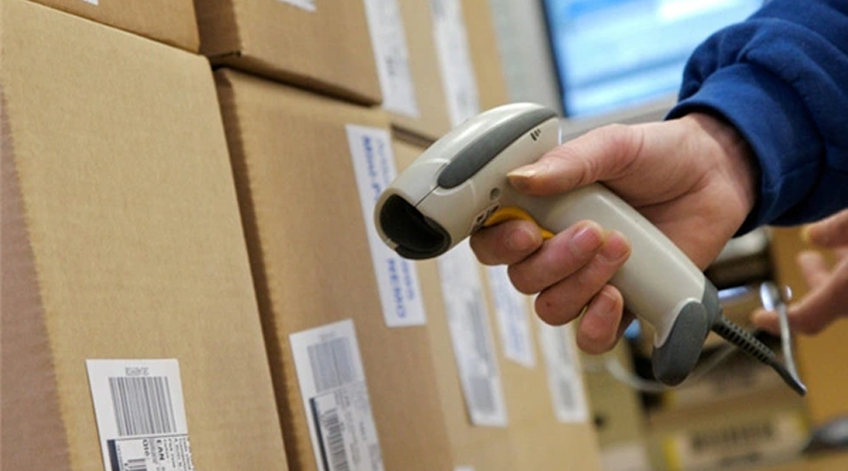
Increased Accuracy: Clear barcodes, reduced scanning errors.
Improve Efficiency: Integrate with ERP system, automate management.
Brand Affirmation: Professional labels increase customer trust.
Nam Viet Group - Trusted Barcode Ink Supplier
As a leading unit in Vietnam in the field of industrial printing labels and barcode ink, Nam Viet Group provides a full range of ribbons from wax to resin, compatible with all printers. With many years of experience, we support free consultation, installation and maintenance. Our products ensure high quality, competitive prices, helping businesses save up to 20% of costs.
Barcode ink is an essential tool for modern businesses, with a variety of types and simple usage. Correct application will help optimize processes, reduce costs and increase competitiveness. If you need advice on barcode ink, contact Nam Viet Group today to receive the right solution!
Share:


