


Common mistakes to avoid when choosing RFID tags.
When choosing RFID tags, there are several common mistakes you should avoid to ensure you select the right tag for your needs. Here are some mistakes to avoid:
- Not understanding the requirements: Before choosing an RFID tag, clearly define your requirements. This includes determining the operating frequency, reading range, application type, and other relevant factors.
- Compatibility check: Ensure that your RFID reader is compatible with the type of RFID tag you intend to use. There are many different standards and protocols for RFID tags, such as ISO 14443 (NFC tags) or EPC Gen2 (UHF tags).
- Ignoring performance: RFID tag performance is a crucial factor in determining its operational capability and reading range. Check the specifications for RFID tag performance, including read speed, interference resistance, and ability to operate in different environments.
- Ignoring the usage environment: The usage environment can affect the performance of RFID tags. For example, in an environment with a lot of electromagnetic interference or cladding materials, you need to choose RFID tags that are resistant to interference and perform well under these conditions.
- Ignore the cost: Cost is a crucial factor when choosing RFID tags. Compare prices and calculate the total cost, including the price of the reader and related system, to make an informed decision.
- Failing to check availability: Ensure that the type of RFID tag you want to use is readily available on the market and that there are no supply issues. Otherwise, your RFID system deployment could be at risk.
- Not checking security: If you are using RFID tags to transmit sensitive information, ensure that the tags have strong security features. Encryption and authentication standards such as AES or RSA can be applied to enhance security.
- Don't overlook lifespan testing: The lifespan of the RFID tag is a crucial factor in determining the lifespan of your RFID system. Check the specifications for information on lifespan and resistance to impact, water, and harsh operating conditions.
Avoiding these mistakes will help you choose the RFID tag that best suits your needs and preferences.

Incorrect frequency
RFID is not a single technology but a group of technologies. Each technology has its own uses and numerous applications. Choosing the wrong frequency can lead to problems, such as RFID tags not being within the appropriate frequency range for reading.
Furthermore, because each of these technologies operates on different frequencies, they often have their own protocols and standards, so the frequencies between RFID tags and hardware can be mismatched and inconsistent.
Therefore, before deploying the project, thoroughly check and compare the frequency, protocol, or standards of the RFID device and tag to ensure they are compatible.
Identify the tagging material.
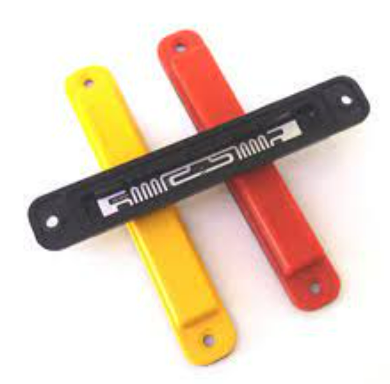
When RFID tags are attached to plastic or cardboard, they work well. However, attaching them to certain materials such as metal or items containing liquids may affect the system's performance.
This doesn't mean RFID won't work on the system, but it's necessary to choose the right type of specialized RFID tag. For example, metal-resistant RFID tags.
Durability
It's important to consider the lifecycle and characteristics of products tagged with RFID. RFID tags themselves have a certain durability requirement. For example, if an item is exposed to extreme temperatures or humidity, then the RFID tag chosen for it must also have similar durability.
Scalability
The placement and method of attaching tags to an item is simple and easy to start with. However, consider the long-term implications. As the project scales up, you might still be able to attach tags manually. Or would it be easier to have a supplier attach the tags during production?
Additionally, consider the data you use for the RFID tag. If other applications want to leverage the data, will sharing it be easy?
Regarding the placement of RFID tags on the product, could this cause problems for other people?
Therefore, reviewing these common mistakes can help you avoid them, and your RFID project will be more likely to succeed.
Share:


