


Comparing the importance of fixed labels versus removable labels.
Removable adhesive labels
Removable adhesive labels are designed to be easily applied and removed without leaving any adhesive residue. These labels are commonly used on smooth surfaces such as glass, metal, plastic, and painted surfaces.
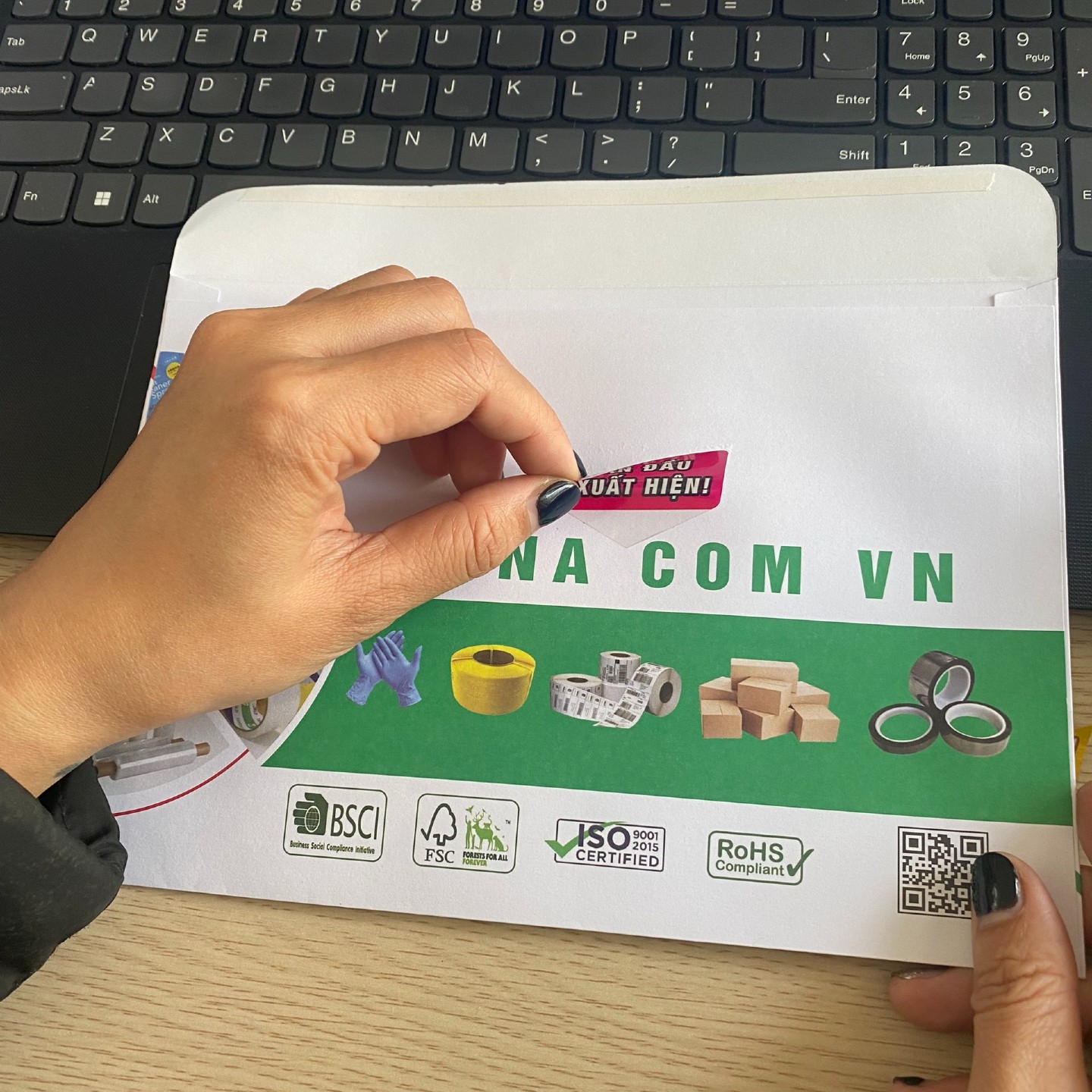
There are many different types of removable adhesive labels, each with its own advantages and disadvantages. Some common types include:
- Paper labels: These labels are made of paper and have a removable acrylic adhesive. Paper labels are usually inexpensive and easy to print, but they are not as durable as other types of labels and can tear or yellow over time.
- Plastic labels: These labels are made of plastic and have a removable acrylic or silicone adhesive layer. Plastic labels are more durable than paper labels and are resistant to water, chemicals, and UV rays. However, they are usually more expensive than paper labels.
- Vinyl labels: These labels are made of vinyl and have a removable acrylic or silicone adhesive backing. Vinyl labels are very durable and resistant to water, chemicals, UV rays, and scratches. They can also be used outdoors. However, they are the most expensive type of label.
When choosing removable adhesive labels, it's important to consider the surface the label will be applied to, the type of information that will be printed on the label, and the required durability of the label.
Here are some common applications of removable adhesive labels:
- Product labels: Product labels are typically made of plastic or vinyl and are affixed to products to provide information about the product, such as the brand name, product name, ingredients, and usage instructions.
- Shipping labels: Shipping labels are typically made of paper or plastic and are affixed to packages to provide information about the recipient's address, payment information, and shipping instructions.
- Temporary labels: Temporary labels are typically made of paper or plastic and are used to mark items that are temporary, such as bins or shelves in a warehouse.
- Decal labels: Decal labels are typically made of vinyl and are used to decorate items such as cars, laptops, and water glasses.
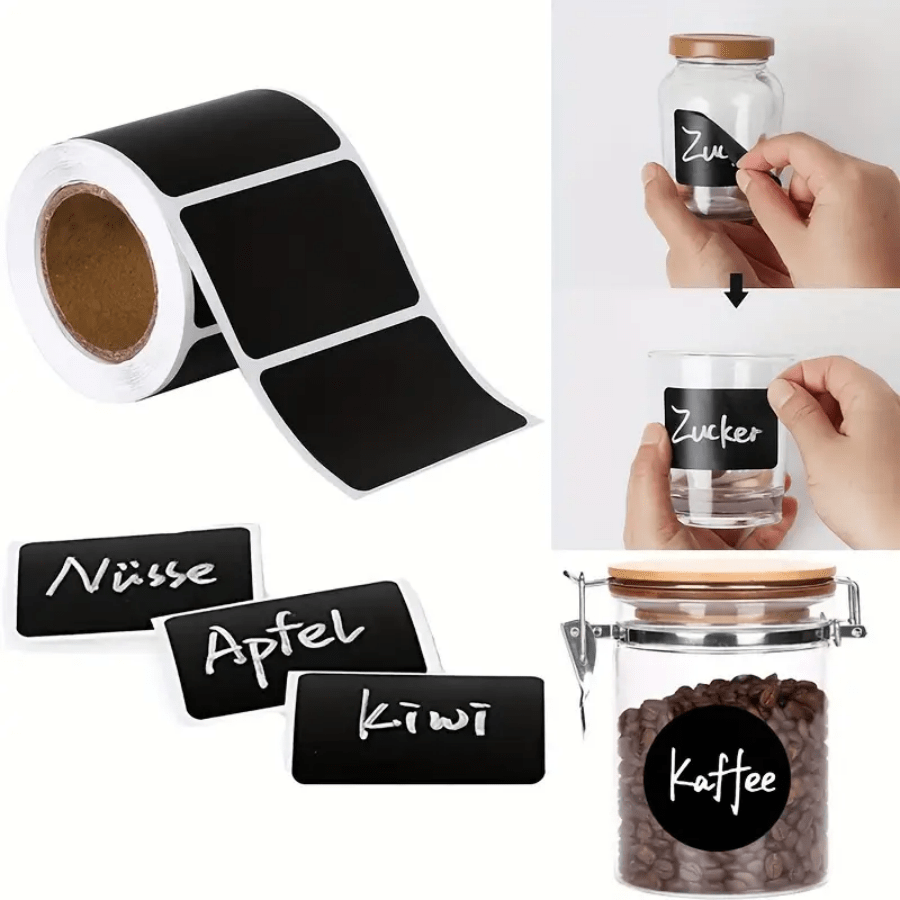
What are fixed labels?
Fixed labels are designed to adhere firmly to a surface and are difficult to remove. They are commonly used on rough surfaces such as wood, concrete, and fabric.
When choosing permanent labels, it's important to consider the surface the label will be applied to, the type of information that will be printed on the label, and the required durability of the label.
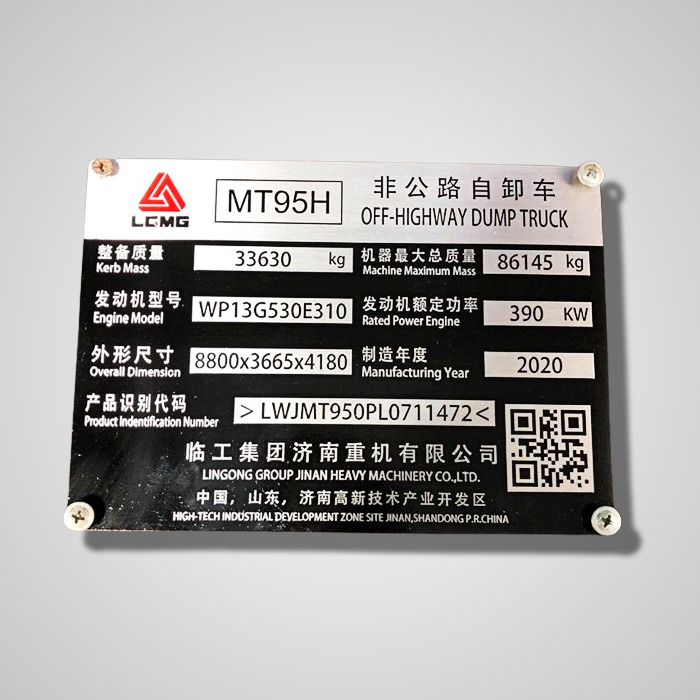
Here are some common applications of fixed labels:
- Product labels: Product labels are typically made of plastic or vinyl and are affixed to products to provide information about the product, such as the brand name, product name, ingredients, and usage instructions.
- Warning labels: Warning labels are typically made of plastic or vinyl and are used to alert people to potential hazards, such as dangerous chemicals or high voltage.
- Property labels: Property labels are typically made of plastic or vinyl and are used to mark assets, such as laptops or industrial equipment.
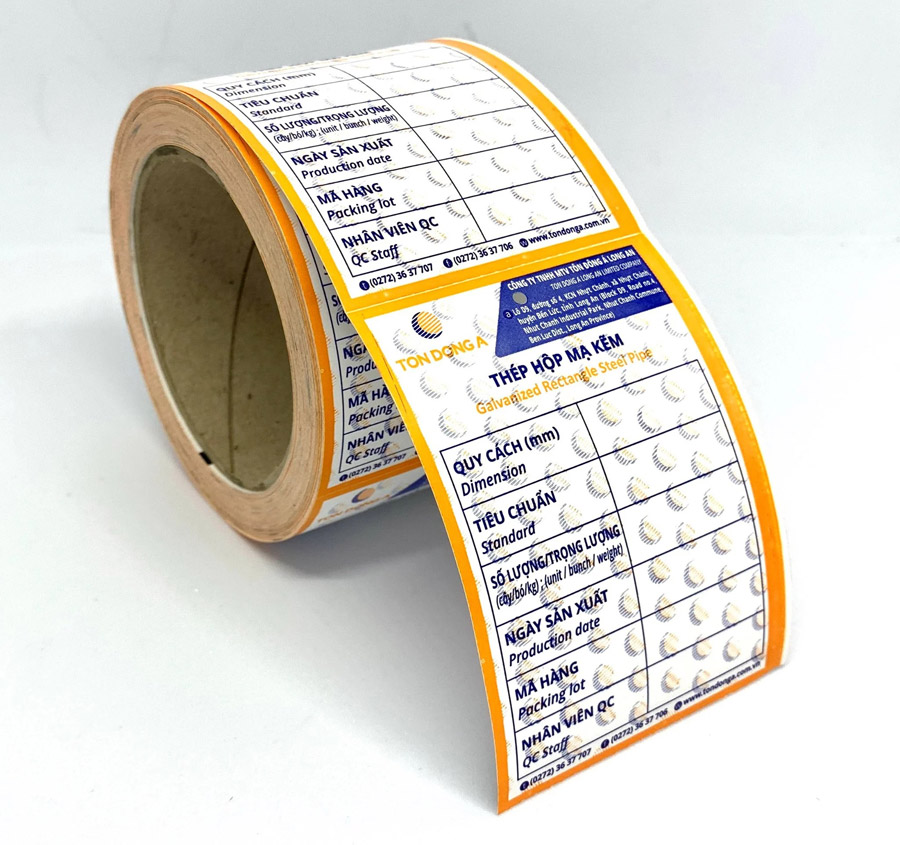
Comparing Fixed Labels and Removable Adhesive Labels:
| Characteristic | Fixed label | Removable adhesive labels |
|---|---|---|
| Adhesion | Strong, difficult to disassemble. | Weak, easily disassembled. |
| Durability | More durable, resistant to water, chemicals, and UV rays. | Less durable, may tear or yellow over time. |
| Application | Products, warnings, assets | Product, shipping, temporary, decal |
| Material | Paper, plastic, vinyl | Paper, plastic, vinyl |
| Cost | Cheaper | More expensive |
| Surface selection | Rough surfaces such as wood, concrete, and fabric. | Smooth surfaces such as glass, metal, plastic, and painted surfaces. |
Share:


