


Comparison of regular paper and thermal printing paper in manufacturing.
The difference between regular paper and thermal printing paper in manufacturing:
Regarding its structure:
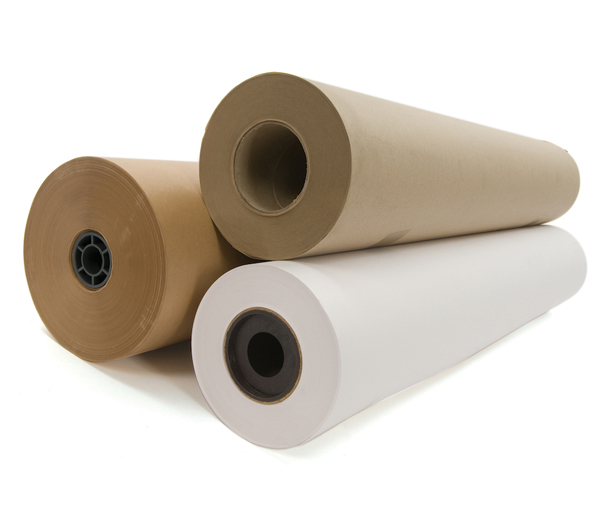
- Plain paper: made from wood pulp and other additives, it can have various layers and weights.
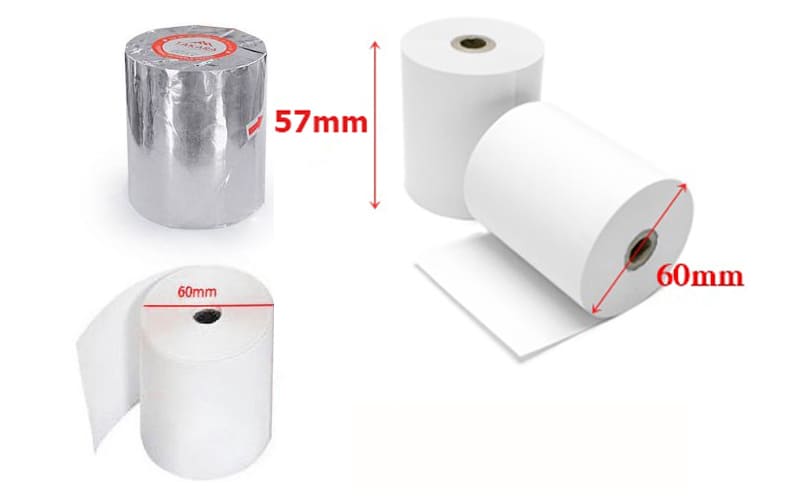
- Thermal paper: coated with a heat-sensitive chemical layer over a layer of regular paper. This chemical layer changes color when exposed to high temperatures, creating images and text.
Regarding the principles of printing:
- Plain paper: uses ink to create images and text on the paper. Ink can be applied to the paper in various ways, such as offset printing, laser printing, inkjet printing, etc.
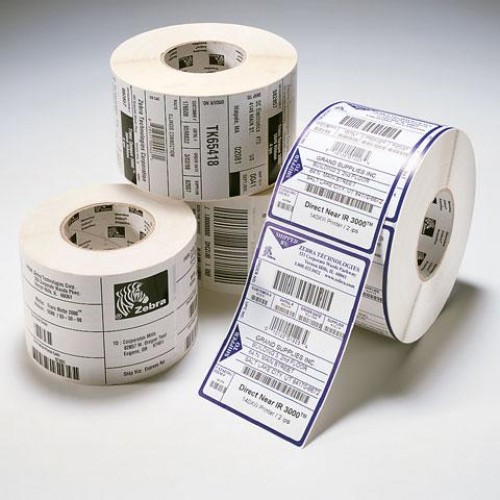
- Thermal paper: This type of paper doesn't use ink; instead, it uses heat to create images and text. The printer's print head heats a layer of chemicals on the paper, causing it to change color.
Regarding the advantages and disadvantages:
Regular paper:
Advantage:
- It is cheaper than thermal printing paper.
- It is possible to print in many different colors.
- The printed material is highly durable and can be stored for a long time.
- You can write it by hand on paper.
Disadvantages:
- A printer and ink cartridges are required.
- The printing process is more complex than with thermal paper.
- Not suitable for printing sales invoices that require quick printing.
Thermal printing paper:
Advantage:
- Fast and convenient printing.
- No printer or ink cartridges are required.
- Suitable for printing sales invoices, labels, tickets, etc.
Disadvantages:
- The cost is higher than regular paper.
- The printout is in black and white only.
- The print is not durable and is prone to fading over time.
- It's impossible to write by hand on paper.
Application:
- Plain paper: widely used in many different fields such as printing books, newspapers, magazines, school notebooks, photocopy paper, etc.
- Thermal paper: commonly used for printing sales invoices, labels, bus tickets, airplane tickets, receipts, etc.
The choice of paper type depends on the specific needs:
- If you need to print in large quantities and require durable prints, then you should use regular paper.
- If you need quick, convenient printing and don't require highly durable prints, then thermal paper is a good option.
In addition, you also need to consider other factors such as cost, printer compatibility, etc., before choosing the right type of paper.
How to store regular paper and thermal printing paper:
Regular paper:
- Store in a cool, dry place, away from direct sunlight and high humidity.
- Keep away from heat sources and chemicals.
- Paper should be folded flat and not stacked on top of each other.
- Use boxes or cardboard containers to store the paper, ensuring they are airtight to prevent dust and insects from getting in.
Thermal printing paper:
- Special note: Due to the sensitive nature of the chemical coating on the paper, thermal printing paper requires more careful handling than regular paper.
- Store in a cool, dry place, away from direct sunlight and high humidity.
- The ideal temperature for storing thermal printing paper is between 10°C and 25°C.
- The ideal humidity for storing thermal printing paper is between 40% and 60%.
- Keep away from heat sources and chemicals.
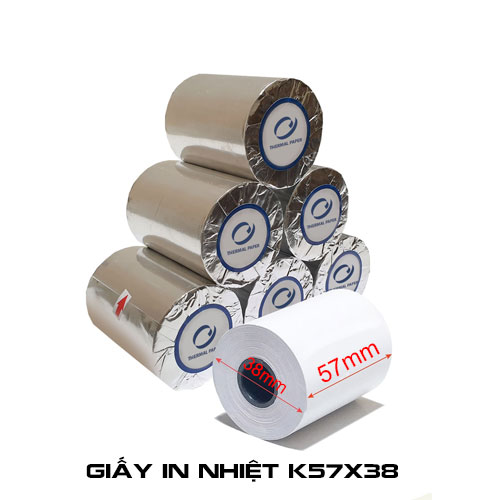
- Paper should be stored in boxes or cartons lined with foil, ensuring they are airtight to prevent dust, insects, and light from entering.
- Do not leave thermal paper in the printer for too long.
- Thermal printing paper should be used within 6 months of purchase.
General notes:
- Avoid touching the paper surface directly with your hands, as sweat and oil on your hands can damage the chemical coating on the thermal printing paper.
- Gloves should be worn when handling thermal printing paper.
- Do not write by hand on thermal paper, as the ink can damage the chemical coating on the paper.
By following these storage methods, you can help your regular paper and thermal printing paper last longer and be used more effectively.
Share:


