


Comparison of Static QR Codes and Variable QR Codes
Both static and variable QR codes are useful tools that can be used for a variety of purposes. The choice of which type of QR code to use depends on your specific needs.
Comparison table between static and variable QR codes:
Common points:
- Both can store data: QR codes can store various types of data, including text, URLs, email addresses, phone numbers, Wi-Fi information, etc.
- Easy to create and scan: Creating a QR code is simple and only takes a few minutes. There are many websites and apps that allow you to create QR codes for free. Scanning QR codes is also easy using your smartphone camera and a QR code scanning app.
- Versatile in use: QR codes can be used for various purposes, such as sharing contact information, promoting products, directing users to websites, etc.
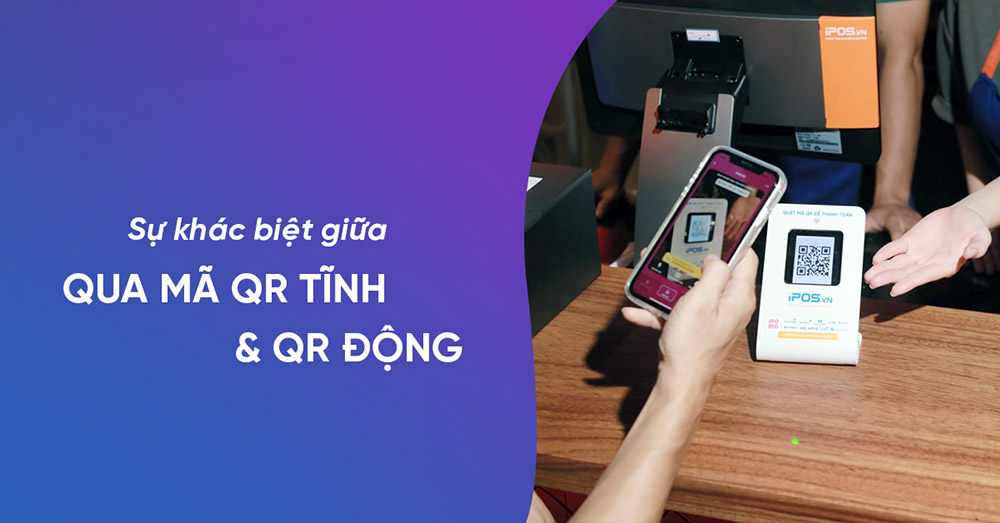
The difference:
| Characteristic | Static QR Code | Variable QR Code |
|---|---|---|
| Data storage | Store data directly in the code. | Store data on a central server. |
| Data modification capability | Data cannot be changed after code generation. | The data can be changed after code generation. |
| Monitor | Unable to track scans or user data. | Scan counts and user data can be tracked. |
| Expense | Free or low cost | Higher costs |
| Application | Suitable for fixed information that does not need to change. | Suitable for situations where information needs to change frequently and user data needs to be tracked. |
- Static QR Code: Use a static QR code to store your business's contact information, such as address, phone number, and website.
- Variable QR Code: Use a variable QR code to create a digital menu for your restaurant. The menu can be updated at any time, and customers can scan the QR code to view the latest menu.
The choice of QR code type depends on your specific needs:
- If you need to store fixed information that doesn't need to change, then a static QR code is the best option.
- If you need to store information that changes frequently or track user data, then variable QR codes are the best option.
The current diversity of QR codes
QR codes have become increasingly popular in recent years, driven by the rise of smartphones and the need for quick and easy information sharing solutions.
Here are some statistics showing the popularity of QR codes:
- Over 55% of smartphone users have scanned a QR code at least once. (https://www.qrcode-tiger.com/qr-code-trend)
- The usage rate of QR codes increased by 323% between 2021 and 2023. (https://www.qrcode-tiger.com/qr-code-trend)
- Six out of ten customers prefer receiving digital coupons via QR code. (https://www.qrcode-tiger.com/qr-code-trend)
- QR codes are used in many different industries, including retail, food and beverages, tourism, manufacturing, and education.
Several factors contribute to the increasing popularity of QR codes:
- The rise of smartphones: Most people own smartphones with built-in cameras, making QR code scanning easy.
- The need for solutions that allow for quick and easy information sharing: QR codes enable users to share information with each other with just one scan.
- The versatility of QR codes: QR codes can be used to store many different types of data, including text, URLs, email addresses, phone numbers, Wi-Fi information, etc.
- Low cost: Create QR codes for free or at a low cost.
The popularity of QR codes is expected to continue to grow in the coming years, as more and more people use smartphones and the demand for quick and easy information sharing solutions continues to increase.
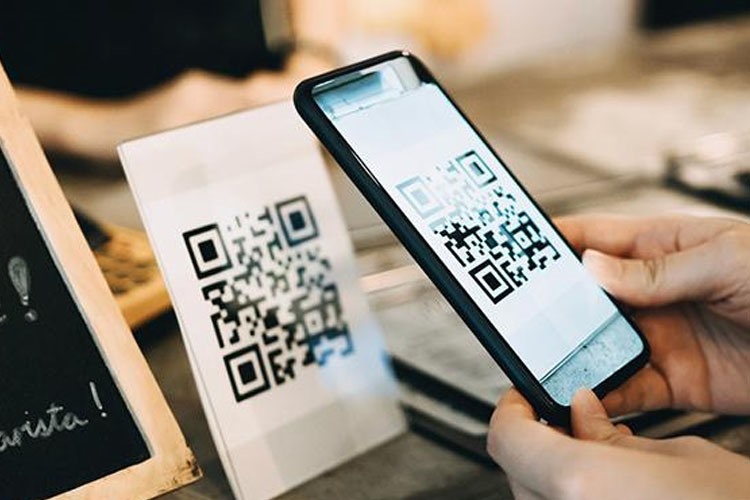
Here are some examples of how QR codes are used today:
- In retail: QR codes are used to display additional product information, provide discount coupons, and allow customers to pay using their smartphones.
- In food and beverages: QR codes are used to display menus, provide nutritional information, and allow customers to place orders via smartphone.
- In tourism: QR codes are used to provide information about attractions, allowing visitors to purchase tickets and download maps.
- In manufacturing: QR codes are used to track inventory, manage the supply chain, and provide information to workers.
- In education: QR codes are used to provide learning materials to students, share feedback, and allow parents to track their children's academic progress.
Conclude
QR codes are a powerful tool that can be used for many different purposes. With the rise of smartphones and the need for quick and easy information sharing solutions, the popularity of QR codes is expected to continue to increase in the coming years.
Share:


