


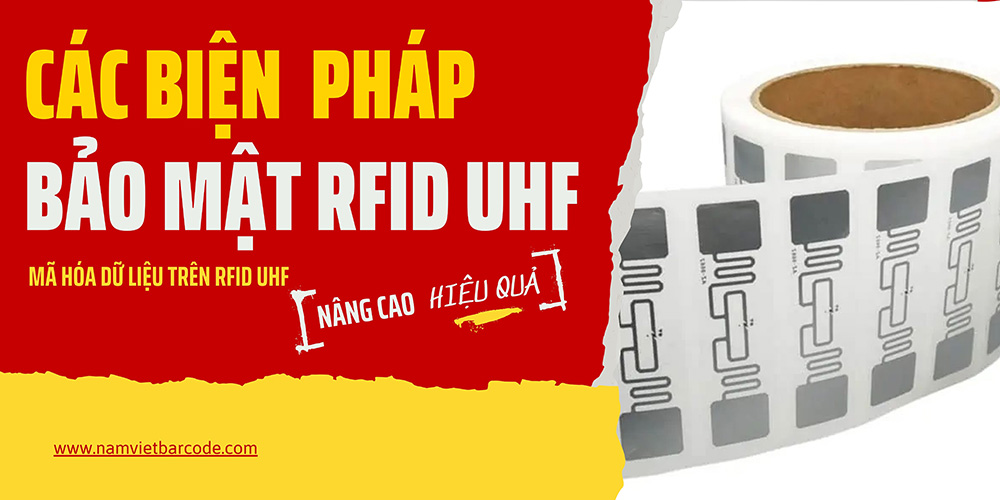
Data security methods for UHF RFID tags.
UHF RFID tags are a convenient technology but also pose significant security risks. To ensure data security and prevent unauthorized access, numerous security measures have been developed and implemented.
Basic Security Measures
- Data encryption: Data stored on UHF RFID tags is typically encrypted to make it difficult to read and understand if stolen.
- Access password: To access the data on the card, users need to enter the correct password.
- Memory lock: This feature allows you to lock part or all of the card's memory, preventing unauthorized reading or writing of data.
- Serialized TID Number: Each UHF RFID tag has a unique identification number (TID Number) that helps identify and distinguish each tag.
- Access control: Only authorized readers can access and interact with the card.
Advanced Security Measures
- Two-factor authentication: In addition to a password, users may be required to provide another authentication factor such as a fingerprint, facial recognition, or an OTP code.
- Kill technology: If the card is lost or stolen, the "kill" feature can be activated to disable the card and protect data.
- Physical security: Protects the card from physical impacts such as high temperatures, strong magnetic fields, and chemicals.
- Card lifecycle management: Track and manage the entire lifecycle of a card, from issuance to cancellation.
Other Security Solutions
- RFID-blocking covers: Use wallets, bags, or covers that can block RFID signals to prevent remote data reading.
- Regular software updates: Ensure that the RFID system management software is always updated to patch security vulnerabilities.
- User training: Enhance user awareness of security so they know how to protect their cards and data.
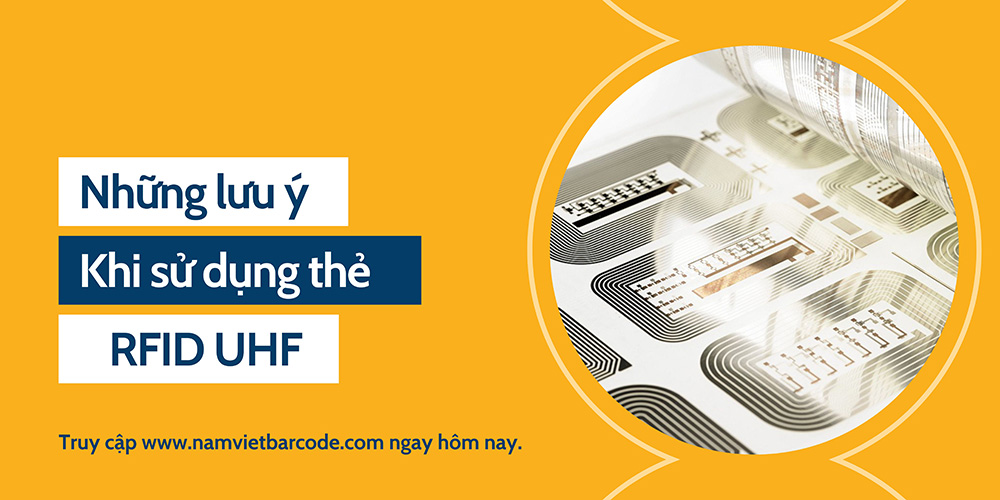
Important Notes When Using UHF RFID Tags
UHF RFID tags offer many benefits in daily life and industrial applications, but to ensure safety and effectiveness, you need to keep the following points in mind:
Information Security
- Data encryption: Always ensure that the data on your card is encrypted to prevent unauthorized access.
- Strong passwords: Use complex passwords and change them regularly to enhance security.
- Lock the card: When not in use, lock the card to prevent reading or writing data.
- Avoid areas with strong signals: Avoid exposing the card to devices that emit strong signals, such as microwave ovens or magnetic scanners, to prevent data corruption.
Card Storage
- Avoid impacts: UHF RFID tags are quite durable but can still be damaged by strong impacts.
- Avoid contact with liquids: Water and other liquids can damage the chip inside the card.
- Avoid extreme temperatures: Extreme temperatures can affect the lifespan of the card.
- Cleaning the card: Wipe the card clean with a soft, dry cloth to remove dust and dirt.
Use Card
- Read the user manual: Before use, carefully read the manufacturer's user manual to understand the features and how to use the product correctly.
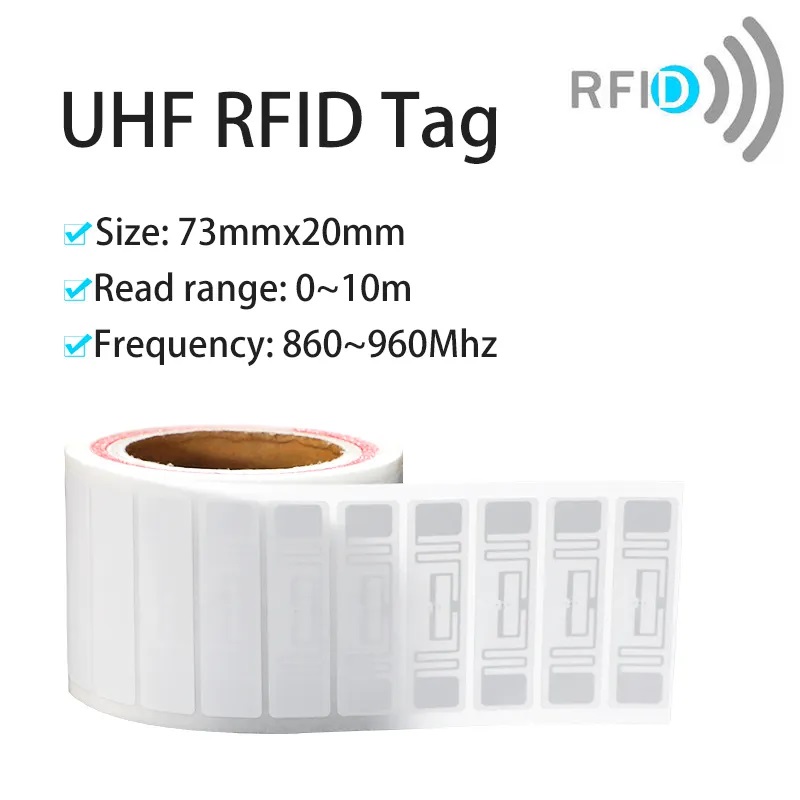
- Check the reading distance: Each type of card has a different reading distance, so make sure the reader is placed at the appropriate distance.
- Avoid obstructions: Metal materials, liquids, or thick materials can interfere with RFID signals.
- Software updates: Always keep your reader device's software updated to ensure stable operation and security.
Conclude:
Although UHF RFID technology offers many advantages, security remains a crucial issue. By implementing the security measures mentioned above, you can minimize the risk of information theft and protect your data.
Note: The information in this article is for reference only and may vary depending on the specific UHF RFID tag type and manufacturer.
Keywords: UHF RFID tag, security, encryption, password, memory key, TID Number, two-factor authentication, Kill technology, physical security, tag lifecycle management, RFID protective sheath.
Share:


