


Event check-in solution using barcodes and RFID.
Corporate events have become an indispensable part of business networking, partner seeking, and relationship building for companies of all sizes. These events not only serve as effective communication tools, helping brands reach new customers, but also expand connections with domestic and international partners, thereby increasing orders and enhancing brand awareness.
However, for event organizing companies, the challenge is how to minimize unwanted situations, ensure guest safety, attract the right target audience, and maintain a smooth event. In response to these challenges, event check-in solutions have emerged as a comprehensive tool to optimize the corporate event organization process. Let's explore this solution with Nam Viet Group to improve the quality of your event and ensure every event runs perfectly.
Business networking events
Unlike individual events or invitation-only activities, business networking events are organized regularly to promote trade and expand cooperation. This is an opportunity for Vietnamese and international businesses to build sustainable business relationships.
These events are typically held at large exhibition centers like SECC or within the framework of programs such as VMIF – a manufacturing industry exhibition in Binh Duong, Bac Ninh, Ho Chi Minh City, or Vietnamese business networking events. The number of guests at these programs ranges from 30 to 1,000 people, mainly representatives of businesses. With such a large and diverse guest list, managing the attendance list and ensuring they are within the target audience is a challenging task without an effective management solution.
Challenges in managing corporate events
For large-scale events, preparation requires significant time and manpower, from program design to implementation coordination. Most importantly, strict control over attendees is crucial to the event's success. Focusing on the right audience will help ensure long-term value and connection between the participating businesses and brands.
However, if the control process is not carried out properly, the following problems may arise:
1. Risk of overload
When the number of attendees exceeds expectations, event spaces can easily become overcrowded, leading to pushing and disorder. This not only diminishes the guest experience but also puts significant pressure on the organizers.
2. Lack of security and safety
A lack of effective control measures can lead to individuals not on the invitation list easily attending the event, creating a risk of theft or unnecessary conflict.
3. Impact on image and reputation
An unprofessional event will cause clients and partners to lose trust in the organization. This not only damages the brand image but also reduces the ability to attract partners for future projects or events.
4. Limitations in data management and evaluation
Poor access control will lead to inaccurate guest data, disrupting the analysis and evaluation of event results. This directly impacts future customer outreach strategies.
5. Increased costs
Poor management can lead to unnecessary expenses, such as over-preparing food or dealing with the aftermath of unexpected problems. This reduces the economic efficiency of the event.
The role of check-in solutions in event management.
To overcome the aforementioned challenges, event check-in solutions play a crucial role as a tool to help companies optimize their management processes and enhance their image.
Guest management solutions using barcode or RFID-based event check-in systems are increasingly becoming an effective and fast option, suitable for diverse event organizing situations.
Event check-in solution using barcodes.
For guests using printed cards from QR codes.
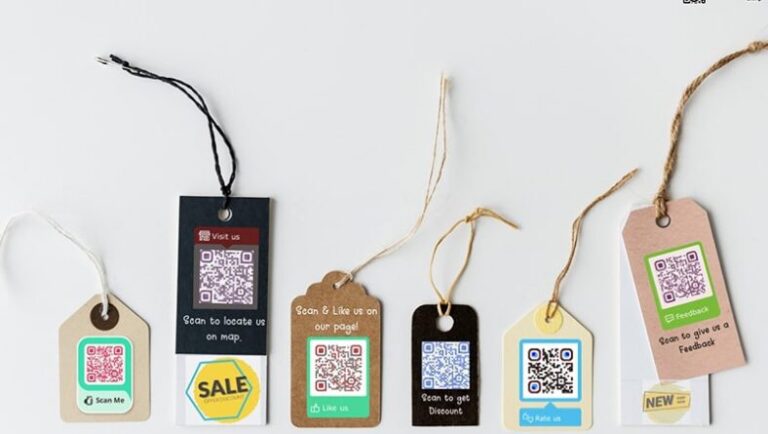
For the barcode solution, each guest will receive a unique invitation with a QR code before attending. Upon arrival, event staff will scan the QR code to print a personalized information card including the guest's name and company (if applicable) using a specialized barcode printer. The card is then attached with a lanyard, allowing guests to easily pass through security to attend the event.
In cases where guests do not receive a QR code beforehand, staff can flexibly create a new one through the software and print the card on the spot, ensuring that the check-in process is not interrupted.
For guests using QR Code on their phones.
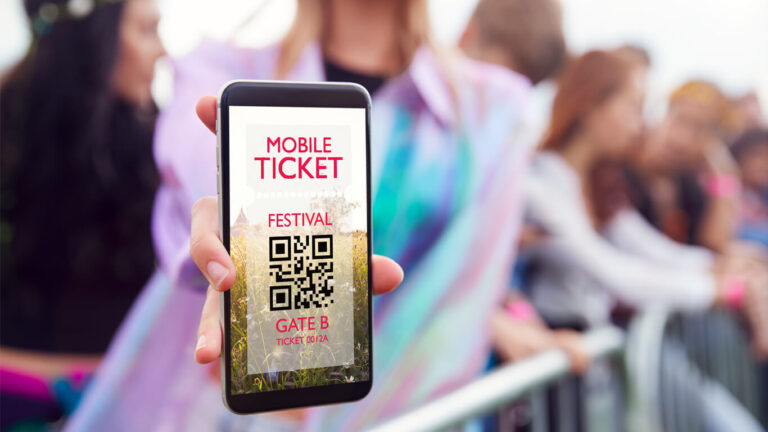
For events with optimized guest numbers, the process of printing invitations can be simplified. The organizer only needs to prepare management software, a computer, and a barcode scanner. When guests arrive, they simply present the QR code they received beforehand via their personal phone. Staff will use the scanner to verify the information on the system. This process takes only about 30 seconds, making it quick and accurate.
RFID solution for event check-in.
RFID check-in technology is the optimal choice for large-scale events with a large number of attendees where staff cannot adequately manage the flow of information. Although RFID is more expensive than barcodes, its management efficiency can reach up to 95%.

RFID operating systems include:
1. Issue tickets or RFID tags.
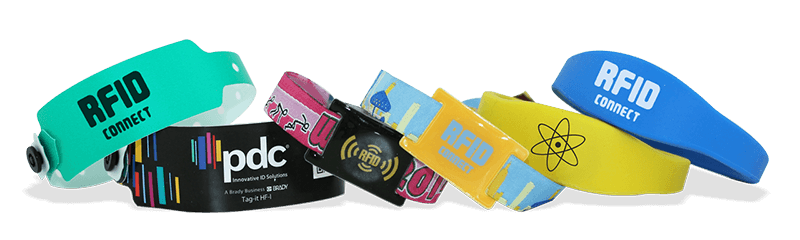
Attendees will receive tickets, wristbands, or RFID chip tags before arriving at the event. Each RFID chip is uniquely encoded and contains the guest's personal information or registration code, ensuring accuracy and security.
2. RFID control gate at the check-in area
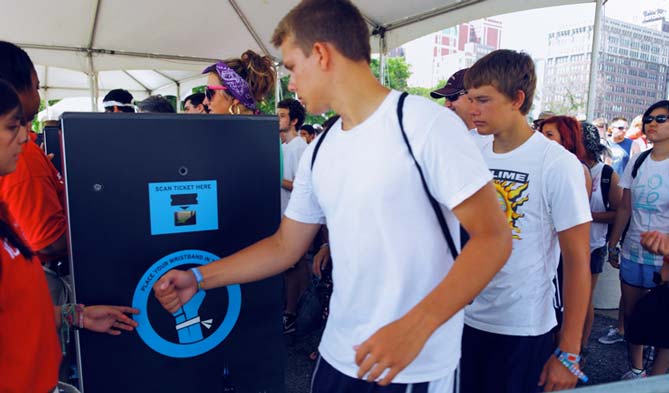
At the event entrance, scanning gates or handheld RFID readers are installed. When guests scan their tickets or RFID cards, the system automatically verifies the information and allows entry. Depending on the number of attendees, organizers may arrange from 2 to 4 scanning gates to ensure a smooth flow of people.
3. Real-time data synchronization
The RFID check-in system is synchronized in real time as guests pass through the control gate, ensuring accurate attendance status updates and completely minimizing errors or fraud.
4. Managing and analyzing data after the event.
RFID goes beyond simply assisting with check-in; it also provides the ability to track guest locations within the event area, collecting data for post-event analysis to improve organizational quality and create added value.
Applying the right check-in solution to each situation will enhance the guest experience and optimize the operational process for the event organizer.
Share:


