


General terms and concepts in the printing industry
What is the printing industry?
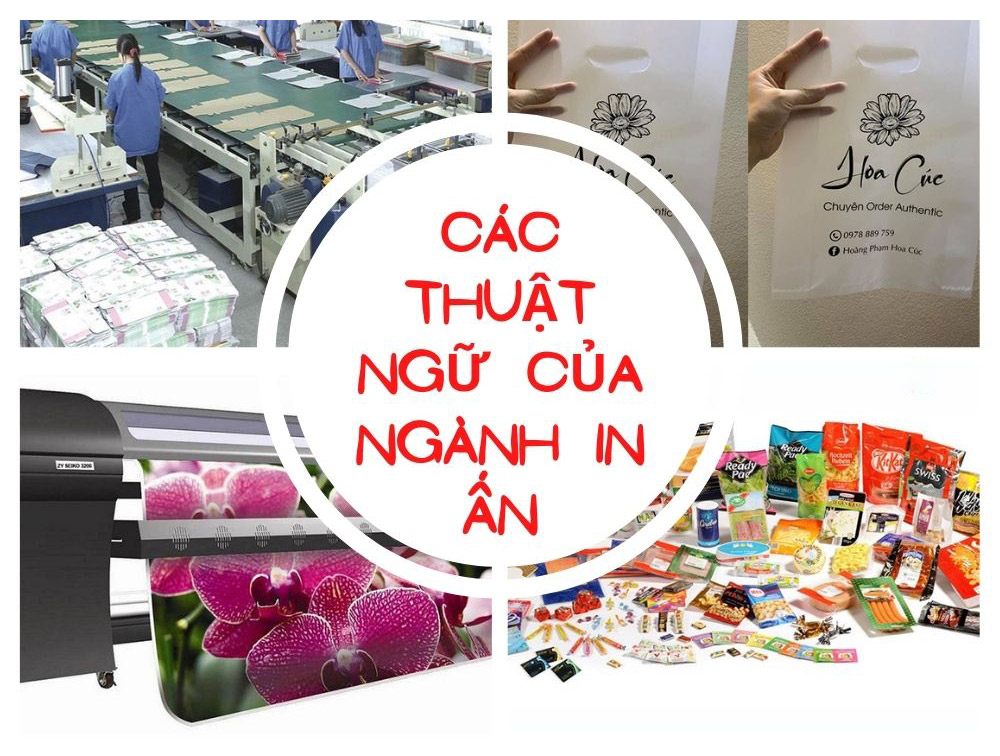
The printing industry is the process of creating copies of text, images, or other designs by using ink and pressure on various materials such as paper, cardboard, fabric, nylon, etc.
This process is typically carried out on a large industrial scale and plays a crucial role in many different fields, including:
- Publishing: Printing books, newspapers, magazines, educational materials, etc.
- Advertising: Printing flyers, brochures, posters, banners, etc.
- Packaging: Printing on boxes, bags, product labels, etc.
- Stationery: Printing business cards, invoices, labels, etc.
- Cultural products: Printed pictures, calendars, greeting cards, etc.
Common types of printing
There are many different printing methods, but some of the most common types include:
- Offset printing: This is the most common printing method today, using metal printing plates to transfer ink onto paper.
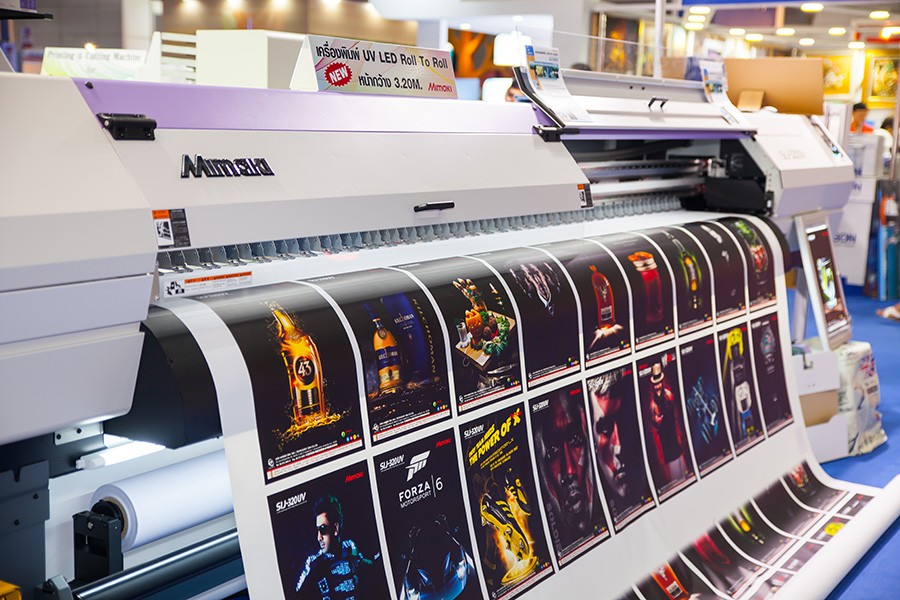
- Digital printing: Using a laser or inkjet printer to print directly from a digital file onto a material.
- Silk screen printing: Using a silk screen printing plate to print ink onto a material.
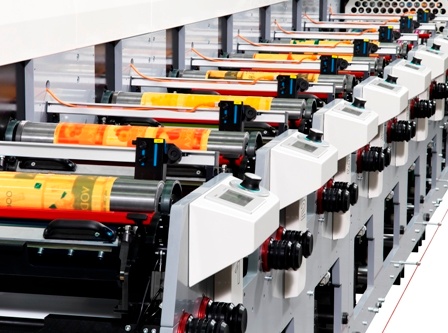
- Flexographic printing: Uses a flexible rubber printing plate to print ink onto a material.
The role of the printing industry
The printing industry plays a crucial role in conveying information, promoting brands and products, and preserving cultural values.
With the advancement of technology, the printing industry is constantly innovating and developing to meet the ever-increasing demands of the market.
The future of the printing industry
Although the print industry is facing competition from digital media, it still plays a vital role in many fields.
With the development of new printing technologies such as 3D printing and on-demand printing, the printing industry promises to continue to grow and meet market demands in the future.
The most common printing terms
- Page layout: When two or more pages are arranged onto a single print page in a file.
- Plate making: This involves manually arranging the pages of paper onto a zinc plate.
- Trimming Margins: The typical margin for trimming is 2mm. If exporting to a PDF file, the computer will display a note prompting the user whether or not to leave a trimming margin. The choice of whether or not to leave a margin largely depends on the printing company's requirements.
- Gloss lamination: A thin layer of plastic is heat-laminated to create a seamless bond on the product, similar to cardboard. It resembles the greeting cards you often see. This allows for longer preservation and reduces fading of the finished product. Gloss lamination can be applied to one or both sides.
- Proof: Refers to the color approval signature on the printed sheet.
- Finished product size: The product after trimming.
- Finishing: Includes any post-printing process.
- Die-cut: A crease line that creates a mark for folding paper, or a crease line for folding into a box.
- Staple binding: A bookbinding method used for magazines and small-format books ranging from 8 to 72 pages.
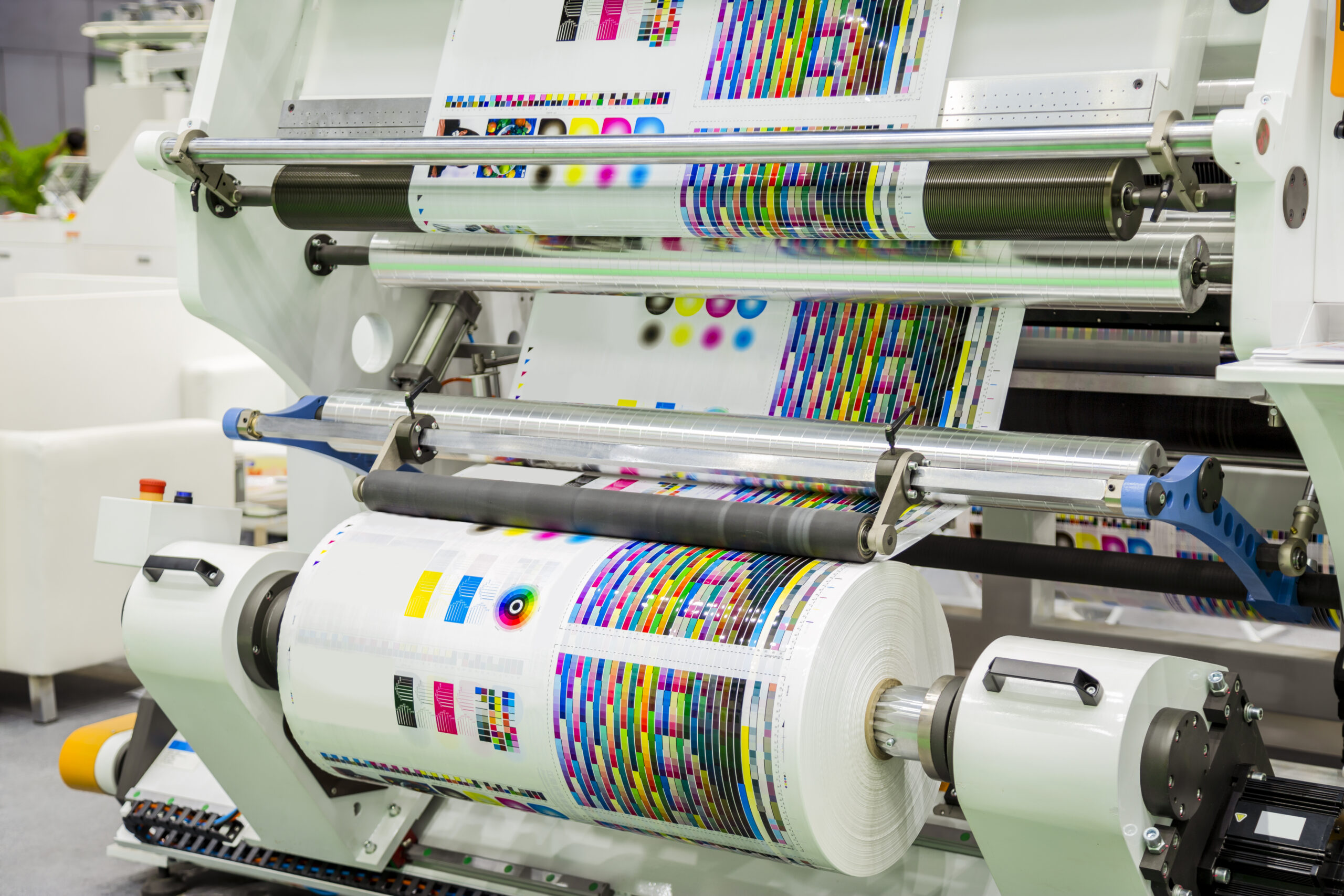
- CMYK: These are abbreviations for Cyan, Magenta, Yellow, and Black – the primary colors used in printing.
- Coated Paper: A type of paper with a surface coating that creates a smooth finish.
Some sub-concepts in the printing industry
- Digital printing: Utilizing modern machinery and electrostatic technology, ink is transferred onto the substrate material in a matter of seconds.
- Bleaching: Applications on fabrics, knitwear, etc. This method removes the background color thanks to bleaching additives that are originally dyed into the fabric.
- Color printing: Reproducing copies with images and colors just like the original, unlike basic black and white printing.
- In 3D: Layers of material are stacked on top of each other, with each step being discrete before finally combining to create a three-dimensional object.
Share:


