


How important is printing food labels?
With increasingly affluent living standards, people are paying more attention to choosing quality products. Products with complete labels and clear origins tend to sell better. For food products, food labels play a crucial role in quickly identifying the origin. Therefore, this is an indispensable element if you want your brand to thrive in the market.
What are food labels and what are they commonly used for?
A food label is a sticker or information tag attached to a food product to provide important information about its ingredients, nutritional value, expiration date, usage instructions, and other relevant product information.
Food labels are used to help consumers better understand the products they are buying. The information on food labels helps consumers make informed decisions when purchasing and using products. Some of the main purposes of food labels include:
- Providing ingredient information: Food labels allow consumers to view details about the main ingredients and additives in a product. This helps consumers check if they have allergies or sensitivities to any of the ingredients in the product.
- Providing nutritional information: Food labels provide information about the energy, protein, carbohydrates, fats, vitamins, and minerals contained in the product. This helps consumers decide if the product meets their nutritional needs.
- Providing usage instructions: Food labels provide consumers with instructions on how to use, store, and prepare the product if necessary.
- Providing food safety information: Food labels provide information about expiration dates, storage conditions, and safety measures to ensure that the product is used safely and does not pose a danger to consumers.
In summary, food labels play a crucial role in providing consumers with information about food products. They help consumers make informed decisions and protect their health.
A typical food label usually includes the following components:
- Product name: This is the name of the food product, allowing consumers to identify and choose the product.
- Ingredients: List the main ingredients in the product, such as raw materials, preservatives, colors, flavors, and other additives.
- Nutritional value: Provides information about the energy, protein, carbohydrates, fats, vitamins, minerals, and other nutrients present in a product. This information helps consumers assess the nutritional value of a product and decide whether to use it.
- Instructions for use: Provides detailed instructions on how to use, cook, store, or prepare food from the product.
- Expiration date: Contains information about the manufacturing date, expiration date, and/or the shelf life after opening the package. This helps consumers know the maximum time the product can be used without posing a health risk.
- Warnings and safety information: This includes allergy warnings, special precautions, usage restrictions for certain groups (such as pregnant women), and other safety instructions related to product use.
- Manufacturer information: This includes the name of the manufacturing company, its address, contact phone number, or other contact information so that consumers can get in touch if needed.
Different ingredients may appear on food labels depending on the legal regulations and standards of each country or region.
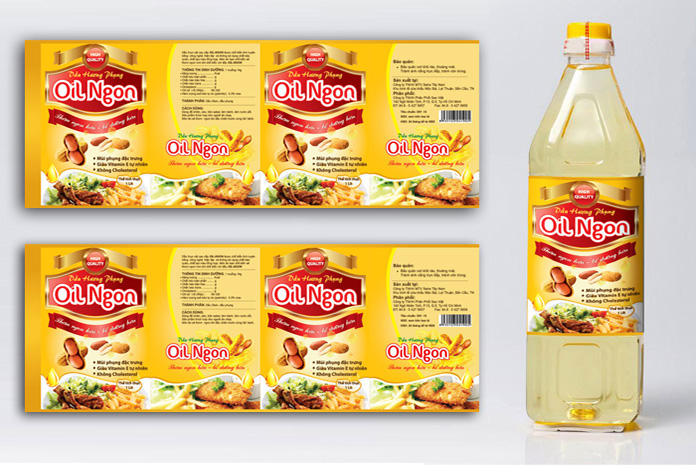
You can find any type of food label on any product.
What types of food labels are there?
A single food product will have many different types of labels. Below is a summary of common food labels you may encounter:
Origin and brand labels
This is a common type of label that every product must have. The structure of this label will include the product name, product description, company name, usage instructions, and expiration date. Additionally, depending on the product, a logo or slogan may be added.

Origin and brand labels
Food labels for frozen and regular products.
This type of label helps consumers easily distinguish between goods that need to be frozen and those that don't require freezing. Its purpose is to help staff and consumers store goods correctly and prevent damage.
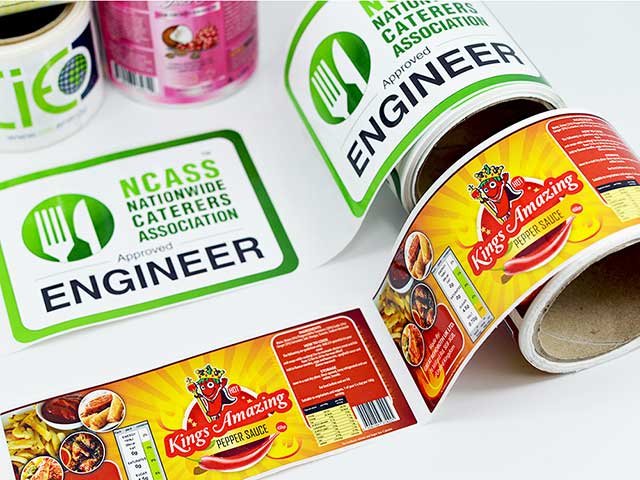
This type of label helps consumers easily distinguish between goods that need to be frozen and those that don't require freezing.
Anti-counterfeiting labels
This type of label also helps you easily distinguish the origin of goods and identify counterfeit or fake products. Based on this characteristic, new products can circulate on the market. This increases consumer confidence when making a purchase decision.
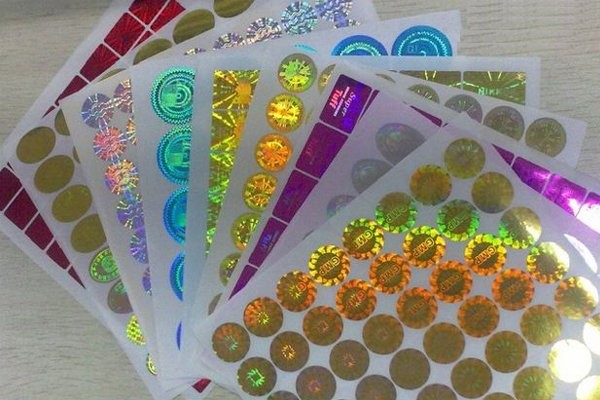
A single food product will have many different labels or tags.
Typical food label designs
In the food label printing industry , there are many different types. Businesses choose each type to print, depending on the type of food and their budget. Additionally, you can visit printing facilities for better advice and support. Examples include:
- Food labels made from destructible paper decals.
- Seven-color decal sticker.
- Paper decal food labels.
- Food labels made of plastic decal material.
- Transparent decal food labels.
- Food labels made from roll decal material.
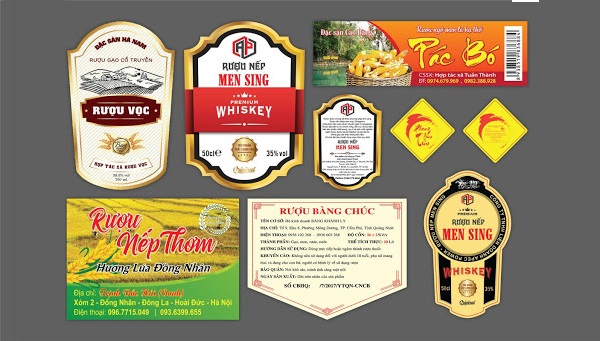
In the printing industry, food labels are divided into many different types.
Conclusion
Through the above article, you have surely gained a better understanding of food labels. This is a type of direct advertising on products, aiming to bring businesses' brands closer to consumers. In addition, this product helps consumers quickly and accurately identify the origin and source of the product. If you are looking for a professional food label printing company, come to Nam Viet Printing . Here, we have a team of professional staff who will enthusiastically support you.
For more details about our products and services!
Please call the hotline or click the register button.


Share:


