


How RFID printers work
Direct thermal printing technology
Direct thermal printing technology is standard in many industries that require frequent printing of text or images, such as receipt printing. The direct thermal printing process has two main steps: heating the print head and bringing the print head into contact with thermal paper. The type of paper is crucial for this printing method because, unless the paper is coated with a heat-sensitive chemical, the print head will not be able to cause discoloration when the paper comes into contact with heat.
Direct thermal printers tend to be more expensive than inkjet or LaserJet printers. However, because they don't require a continuous ink supply, they are considered the most cost-effective solution in the long run. The disadvantage of direct thermal printing is that the paper used is more sensitive to light, heat, and is flammable; therefore, if the printed text comes into contact with these elements, the information in the text may be damaged.
Direct thermal printing technology is also not recommended for items requiring long-term labeling, as the text will fade over time. This printing method is commonly used for printing barcodes on money orders, receipts, parking tickets, and other processing tasks that don't require lengthy documentation. Most portable printers also use direct thermal printing.
Thermal transfer printing technology
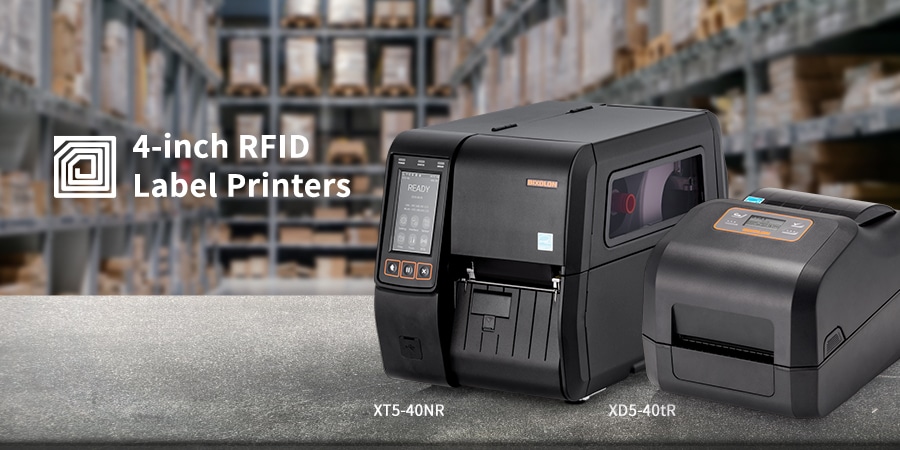
Thermal transfer printing technology is commonly used for RFID tags and labels, offering resistance to common environmental elements and a long lifespan. This printing method requires the user to purchase additional heat transfer sheets, thus representing an additional cost compared to heat presses or direct thermal labels. Heat transfer involves heating the label tip and applying a heat transfer press onto the surface. The heated tip melts the ribbon and transfers the color onto the front of the label, text, or image to be printed.
The advantages of thermal transfer printing are the long lifespan of the ink and its low reactivity to heat, glare, or abrasion. Another advantage of this printing method is the presence of a ribbon between the print head and the label, which acts as a buffer for foreign substances such as dust and dirt. The ribbon helps remove these impurities from the printed words or images, extending the print head's lifespan. However, a disadvantage of thermal transfer printing is the cost of purchasing the ribbons for the machine.
Share:


