


Key specifications of barcode scanners to consider:
A barcode scanner , also known as a barcode reader , is an electronic device used to read and decode information stored in the form of barcodes . Barcodes are commonly printed on product packaging, employee ID cards, airline tickets, etc.
Structure and function of barcode scanners
How a barcode scanner works:
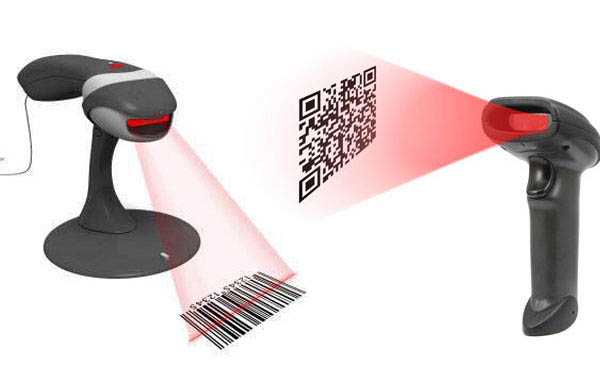
- Illumination: The scanner projects a beam of light (usually a laser or LED) onto the barcode.
- Reflection detection: The black lines on a barcode reflect less light than the white spaces. The scanner detects the amount of reflected light.
- Decoding: The scanner converts the amount of reflected light into an electrical signal and decodes this signal into data.
- Data transmission: The decoded data is transmitted to a computer or other device for processing.
There are two main types of barcode scanners:
- 1D barcode scanners: Can only read simple black and white barcodes.
- 2D barcode scanners: Capable of reading more complex barcodes, such as QR codes and data matrix codes.
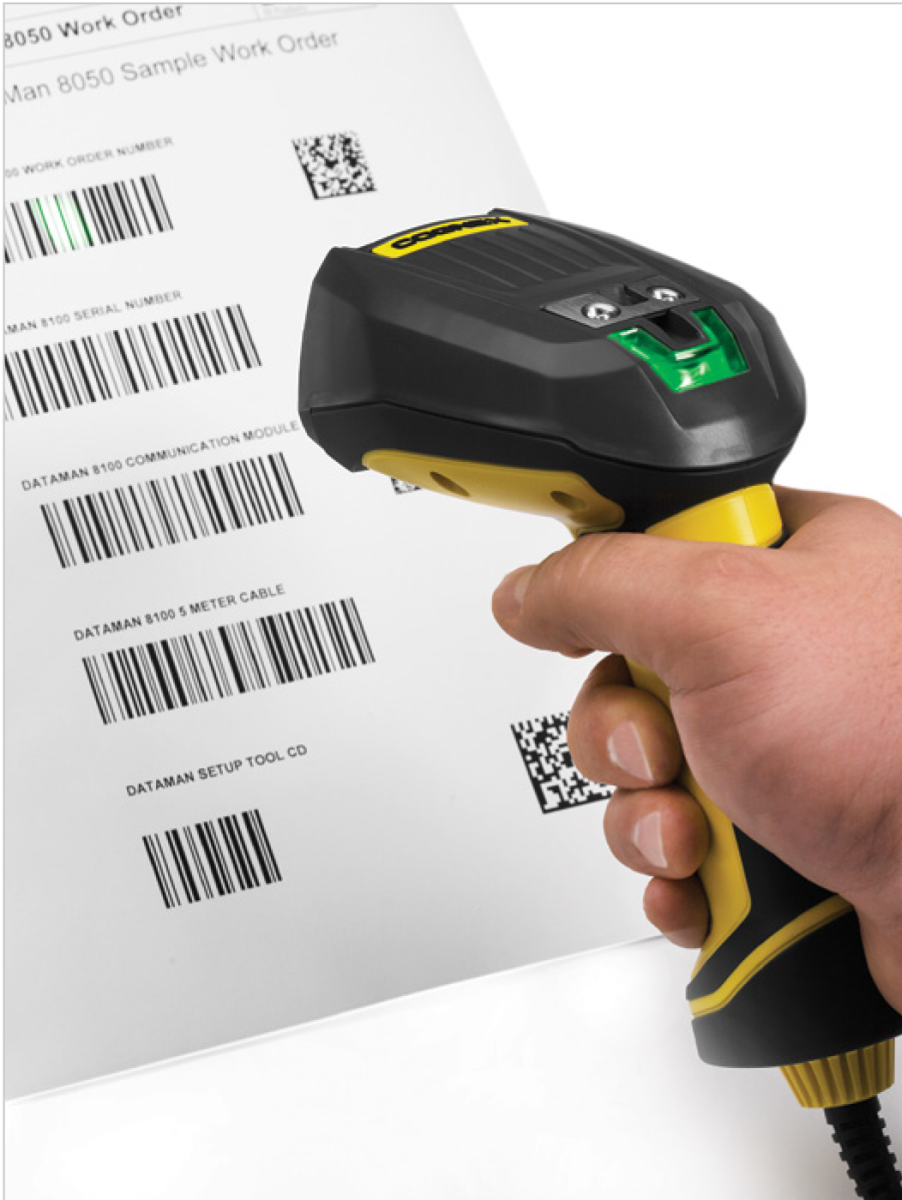
Barcode scanners are used in many different fields, including:
- Retail: Cashier duties, inventory management, price tracking.
- Production: Product tracking, quality control, inventory management.
- Healthcare: Patient monitoring, medication management, medical record management.
- Shipping and logistics: Tracking parcels, managing inventory, and monitoring goods.
- Administration: Access control, document management, mail tracking.
Benefits of using a barcode scanner:
- Increased efficiency: Helps automate manual processes, saving time and labor.
- Improved accuracy: Minimizing errors caused by manual data entry.
- Increased productivity: Helps businesses operate more efficiently and save costs.
- Improving service quality: Providing better service to customers.
Key specifications of barcode scanners to consider:
- Scanning technology:
- Laser: The most common, using a laser beam to scan 1D barcodes. It's inexpensive and highly accurate, but it can't read faded barcodes or barcodes on curved surfaces.
- CCD: Uses an image sensor to scan 1D and 2D barcodes, can read faded barcodes or barcodes on curved surfaces, more expensive than laser.
- Imager: Uses a camera to capture images of barcodes, can read most 1D and 2D barcodes, highest price, fastest scanning speed.
- Resolution:
- Measured in DPI (dots per inch), it indicates the level of detail that a scanner can capture.
- Higher resolution is needed for small barcodes or those with intricate details.
- For high accuracy, choose a scanner with a resolution of at least 3 mil.
- Scanning speed:
- Measured in scans per second (SPS) or frames per second (FPS).
- The higher the scanning speed, the faster the scanner reads barcodes.
- You should choose a scanner with a scanning speed that suits your needs.
- Scanning range:
- The distance from the scanner to the barcode it can read.
- The scanning range is measured in centimeters or inches.
- You should choose a scanner with a scanning range that suits your needs.
- Connection type:
- Common connection types: USB, RS232, Bluetooth.
- You should choose a scanner with a connection type that is compatible with your device.
- Barcode decoding capability:
- What types of barcodes can the scanner decode (1D, 2D, QR Code, etc.)?
- You should choose a scanner that can decode the types of barcodes you need to use.
- Additional features:
- Some scanners have additional features such as water resistance, dust resistance, shock resistance, etc.
- You should choose a scanner with additional features that are suitable for your usage environment.
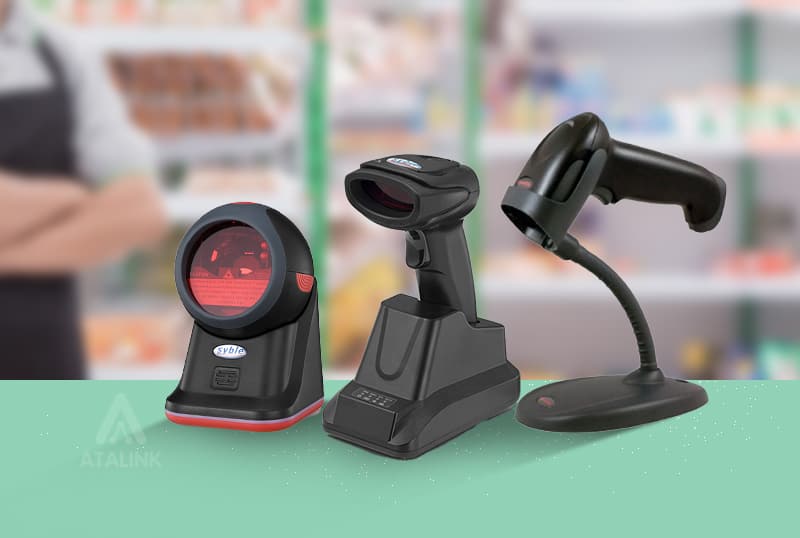
In addition, you should also consider the following factors when choosing a barcode scanner:
- Price: Barcode scanners range in price from a few hundred thousand to several million Vietnamese dong.
- Brand: It is advisable to choose scanners from reputable brands to ensure quality and warranty service.
- Usage requirements: You should clearly define your usage needs before buying a scanner to choose the most suitable product.
Share:


