


Methods for selecting RFID technology for business management.
Choosing the right RFID technology for a business depends on several factors, including:
Specific needs: Clearly define the purpose of using RFID for management. Does the business need to track assets, manage inventory, control access, or use it for other purposes?
Operating environment: The working environment influences the type of RFID tag and antenna required. For example, environments with high humidity or a high concentration of metal can affect the tag's reading range.
Budget: The cost of an RFID system can vary depending on needs and the supplier. Businesses need to consider their available budget to choose the right solution.
Compatibility: The RFID system needs to be compatible with the company's existing management software.
Data security: Businesses need to ensure that the chosen RFID system has appropriate data security measures in place.
Here are some specific steps to choose the right RFID technology for your business:
- Identifying needs: Clearly define the purpose of RFID, the types of assets to be tracked, the operating environment, and the budget.
- Research: Learn about different types of RFID tags, antennas, readers, and management software.
- Supplier selection: Consult with reputable RFID suppliers for advice on suitable solutions.
- Testing: Test the RFID system before large-scale deployment.
- Training: Train employees on how to use the RFID system.
In addition, businesses should also consider the following points when choosing RFID technology:
- Choose a supplier with a good reputation and experience in the RFID field.
- Ensure that the RFID system is scalable to meet the future growth needs of the business.
- There is a plan for regular maintenance and servicing of the RFID system.
Choosing the right RFID technology can help businesses save costs and improve management efficiency. Businesses need to take the time to research and select a solution that suits their needs and budget.
There are two main types of RFID tags:
Passive RFID tags:
- It does not have its own power source.
- Receives power from the RFID reader to activate and transmit data.
- They have a shorter reading range than active RFID tags.
- Cheaper than active RFID tags.
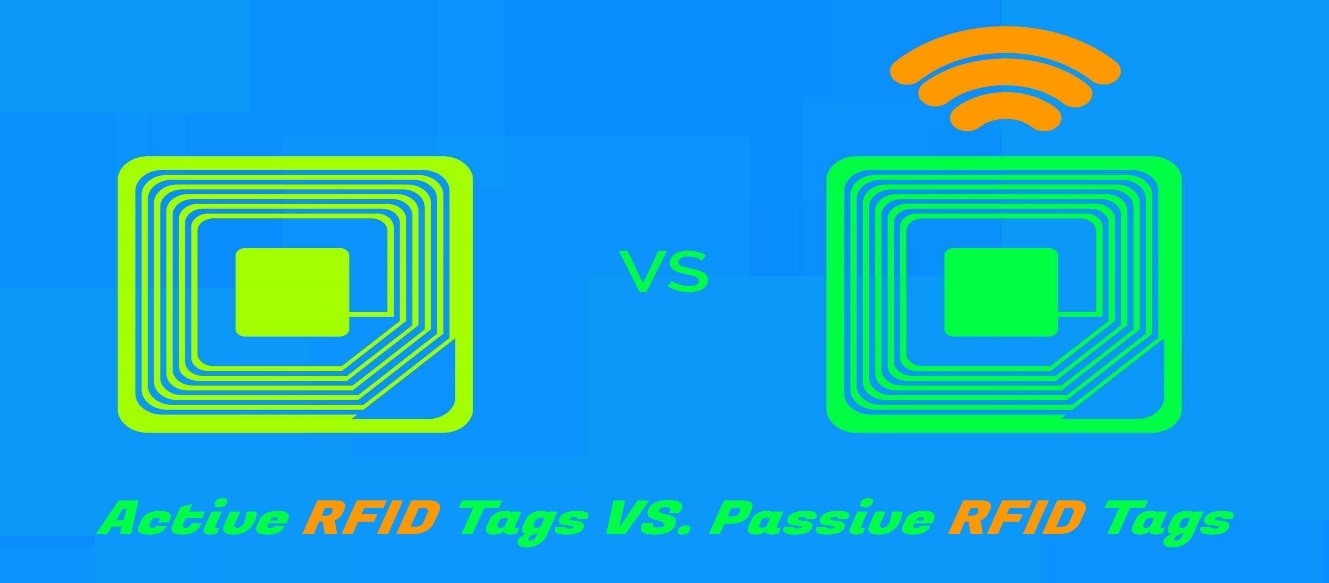
Passive RFID tags
Active RFID tags:
- It has its own power source, usually a battery.
- Data can be transmitted to the RFID reader without activation.
- It has a longer reading range than passive RFID tags.
- More expensive than passive RFID tags.
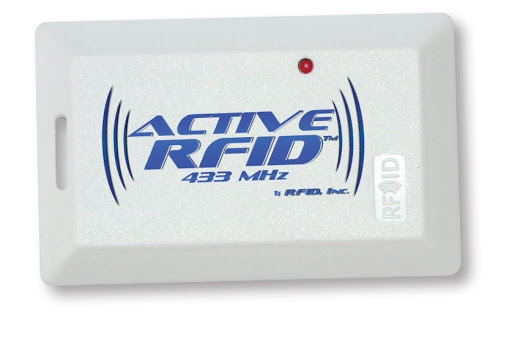
Active RFID tags
There are three main types of RFID systems:
Low frequency (LF):
- It operates in the frequency range from 30 kHz to 500 kHz.
- Short reading range (about a few inches).
- Often used for applications such as access control and asset tracking.
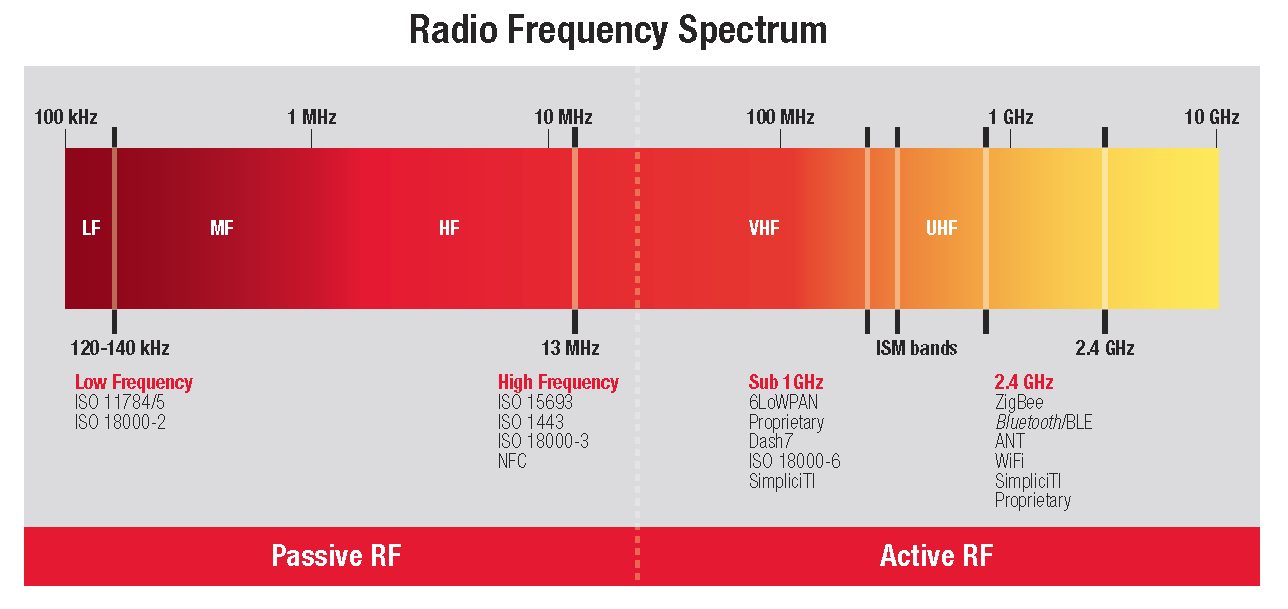
Low frequency (LF) RFID system
High frequency (HF):
- It operates in the frequency range from 3 MHz to 30 MHz.
- Average reading range (approximately a few feet).
- Commonly used for applications such as card payments and identity cards.
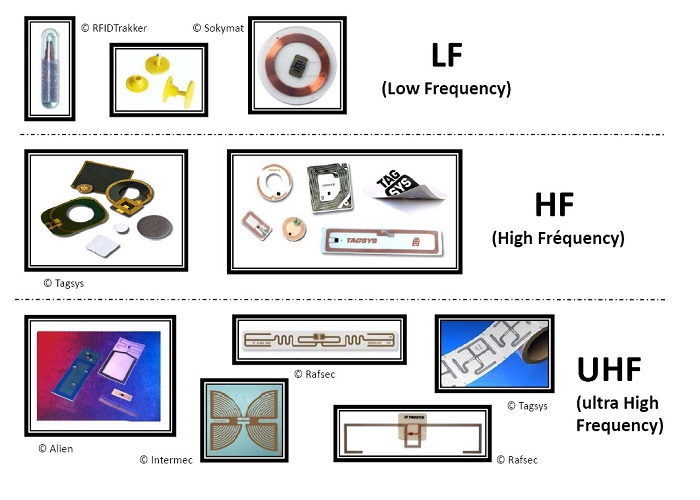
High frequency (HF) RFID system
Ultra High Frequency (UHF):
- It operates in the frequency range from 300 MHz to 3 GHz.
- Long reading range (approximately several hundred feet).
- Often used for applications such as supply chain and warehouse management.
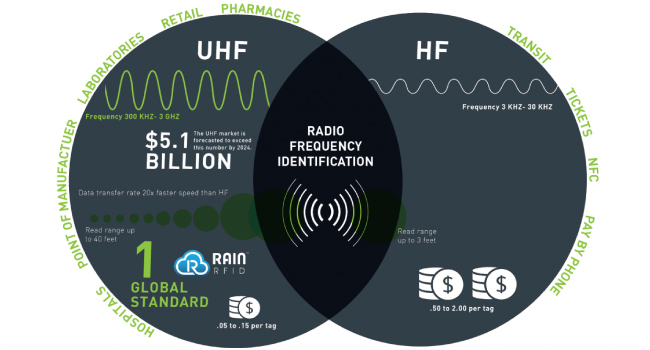
Ultra High Frequency (UHF) RFID system
Additionally, there are other types of RFID systems, such as microwave RFID systems. Microwave systems operate at higher frequencies than UHF systems and can have a reading range of up to several miles.
The type of RFID system suitable for a particular application will depend on several factors, such as the desired reading range, operating environment, and budget.
Share:


