


Notes on using the decal label printing method
Label printing is considered a new method that brings distinctive features to signage, indicating which business a product belongs to. With its diverse features, label printing offers many different applications in the product packaging industry.
1. Advantages of printing labels and tags
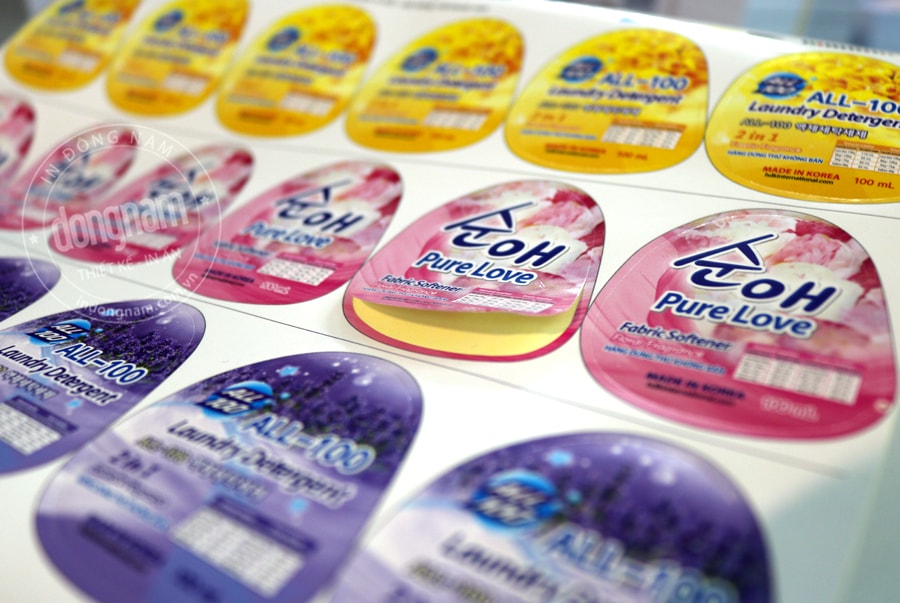
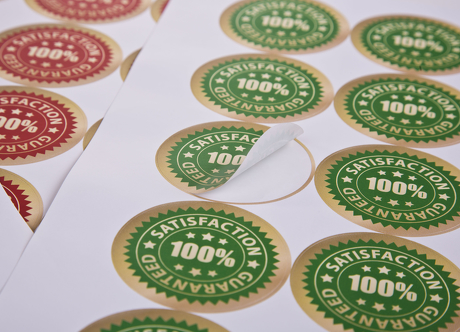
With its high adhesive strength and minimal need for reuse of old materials, printed label design has become a top choice for customers needing to order labels. Especially for this adhesive label printing method, the most commonly used label materials offer clear image display, strong adhesion, and versatility across a wide range of materials and surfaces.
2. Materials for printing labels and decals
With its main components being paper and an outer coating, label printing is typically done on curved or folded surfaces, allowing new products to be equipped with images, colors, logos, and illustrations. Additionally, it can be used to print on many other things such as paper and plastic packaging… Because it's suitable for so many different applications, it saves a lot of printing costs and also ensures production efficiency. In particular, to ensure the adhesive quality of the sticker, the label is often coated with a glossy film after printing to protect the printed design from environmental damage. This gives your colors a fresh look, making them appear great and always vibrant.
3. How to print labels
Depending on the type, the printing process for documents and files will have different methods, but mainly there are three methods: screen printing, inkjet printing, and offset printing. Each method will produce different products in terms of size, color, and image, and the most suitable method will be chosen depending on the quantity.
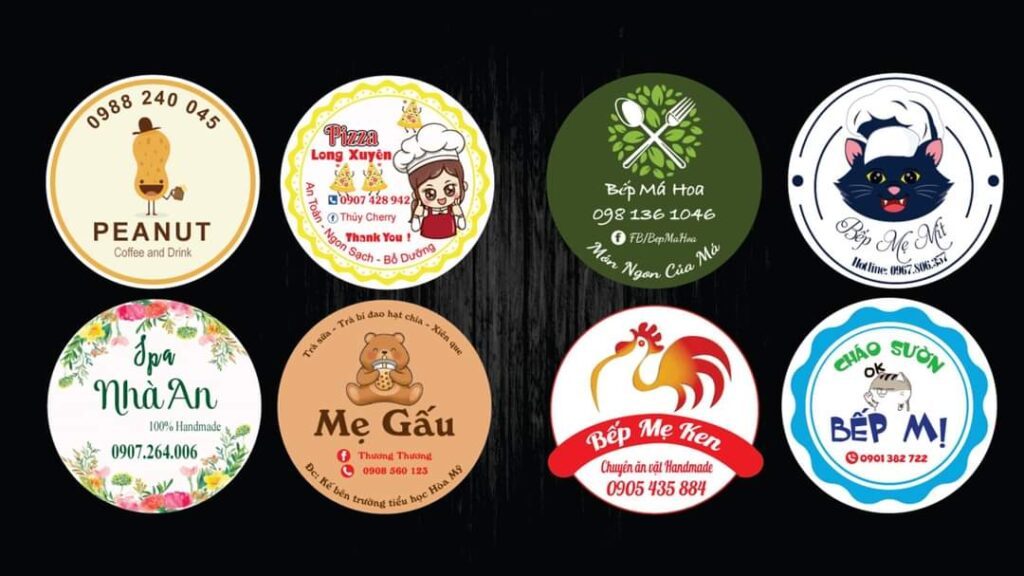
Finally, if you have a good understanding of how to print labels, your next step is to go to a reputable supplier and choose the product you think is best to use based on the information above.
For more details about our products and services!
Please call the hotline or click the register button.


Share:


