


Pharmaceutical label printing technology, drug label printing.
Pharmaceutical labels , or drug labels , are small decals that are affixed directly to the packaging of medicines and pharmaceuticals. These labels contain all the necessary information about the medication, helping users easily identify and use it correctly.
Why are pharmaceutical labels important?
- Product identification: Helps users distinguish between different types of medication, avoiding confusion.
- Instructions for use: Provides detailed information on how to use, dosage, contraindications, side effects, etc.
- Quality assurance: This is evidence proving the origin, source, and quality of a product.
- Product management: Supports inventory management, sales, and quality control processes in pharmacies and hospitals.
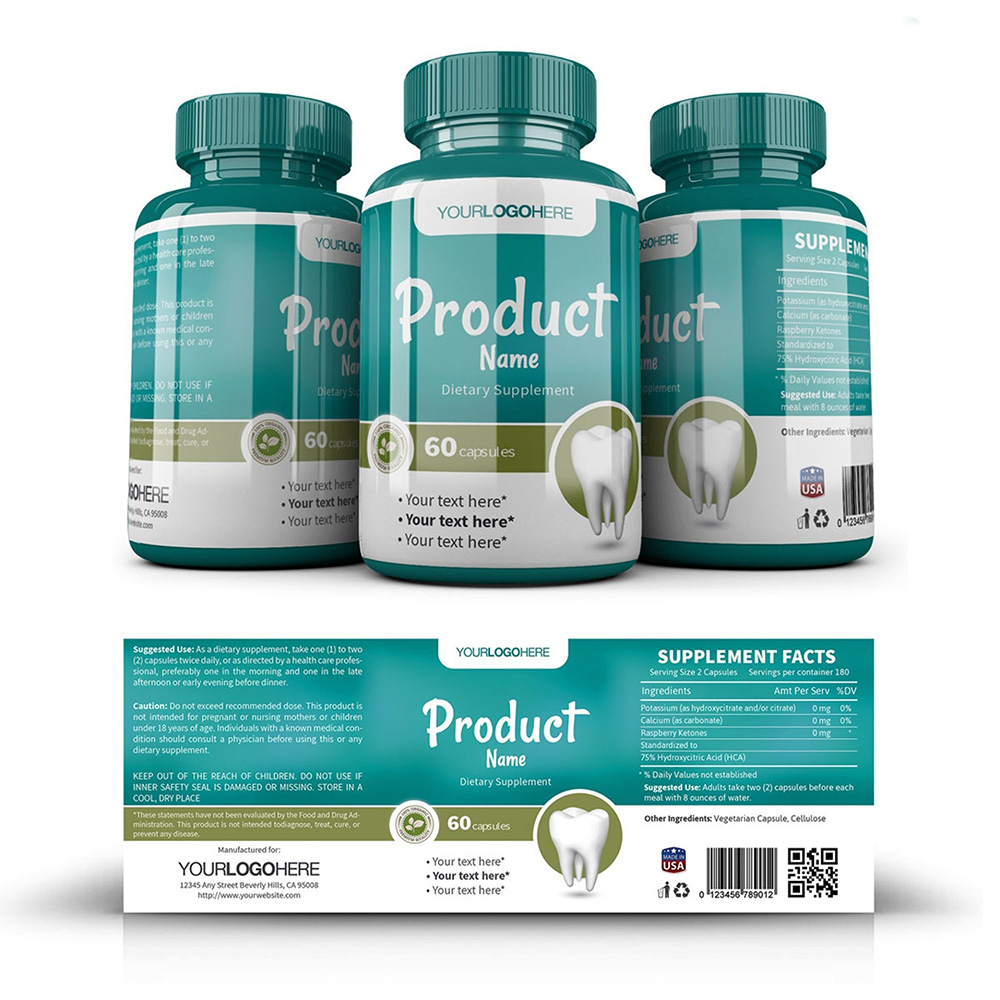
Here is some information commonly found on pharmaceutical labels:
- Drug name: The official name of the drug.
- Ingredients: The active ingredients in the medication.
- Dosage: The amount of active ingredient in each unit of medication.
- Indications: Cases of illness for which the drug is used for treatment.
- Contraindications: Cases where the medication should not be used.
- Side effects: Undesirable effects may occur when using this medication.
- Dosage: The recommended dosage of the medication varies depending on the individual patient.
- Instructions for use: How to use the medication most effectively.
- Expiration date: The period during which the medication is usable.
- Registration number: The registration number of the drug at the pharmaceutical regulatory authority.
- Manufacturer: Name and address of the manufacturer.
- Barcodes: Barcodes help manage medications more effectively.
Note: The printing and use of pharmaceutical labels must comply with the legal regulations on pharmaceutical management.
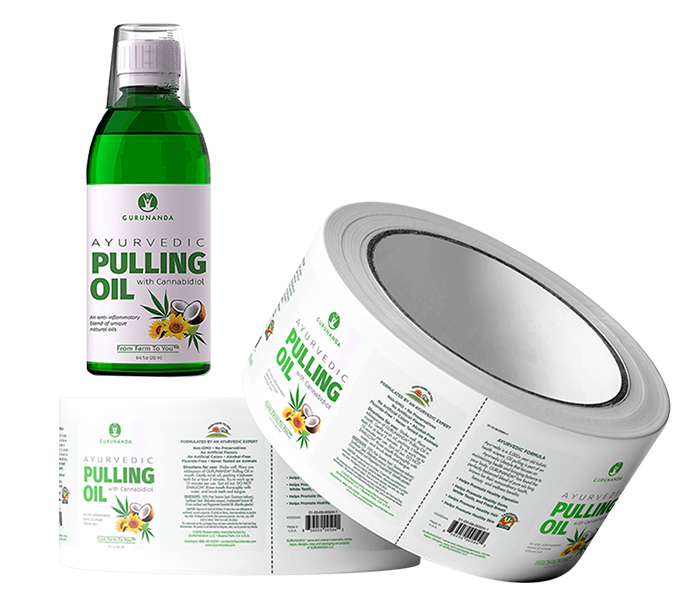
Common types of pharmaceutical labels and stickers
Pharmaceutical labels play a crucial role in providing product information, ensuring quality, and facilitating effective management. Below are some common types of pharmaceutical labels along with illustrative images:
- Decal labels:
This is the most common type of label, printed on decal material with good adhesion and resistance to various environmental conditions.
- Paper decals: Low cost, easy to print, suitable for products that do not require high durability.
- PVC plastic decals: Highly durable, waterproof, and scratch-resistant, suitable for products requiring long-term preservation.
- Thermal labels:
This type of label uses heat to print information onto the surface and is commonly used for receipt printers and price tag printers.
- Barcode labels:
Barcode labels contain barcode strips that can be read by barcode scanners, helping to manage goods effectively.
- RFID labels:
This is a type of label that incorporates RFID (Radio Frequency Identification) technology, allowing for remote product identification and tracking.
- Anti-counterfeiting labels:
Anti-counterfeiting labels are used to protect products from counterfeiting and imitation. There are many types of anti-counterfeiting labels, such as hologram labels, 3D labels, scratch-off labels, etc.
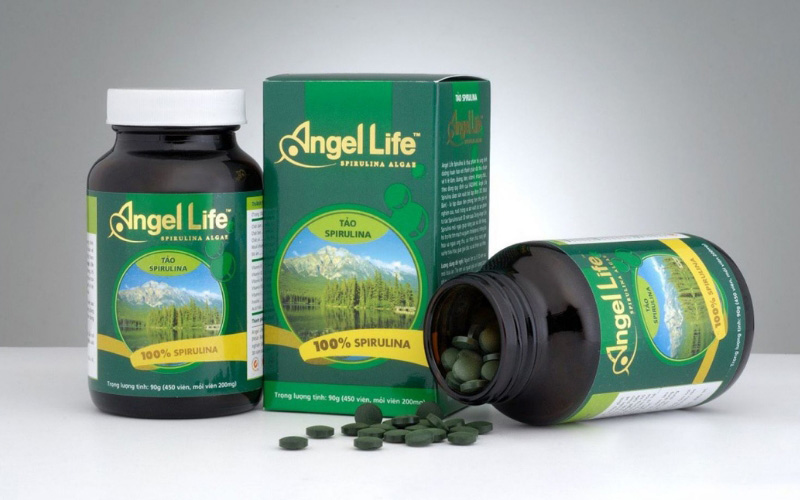
Factors to consider when choosing labels:
- Material: Depending on the storage conditions and durability requirements of the product, choose the appropriate label material.
- Size: The label size must match the area to be affixed to the packaging.
- Printing ink: The ink must be sharp, colorfast, and non-toxic.
- Content: The information on the label must be complete, accurate, and easy to read.
- Printing technology: Choose the right printing technology to ensure quality and efficiency.
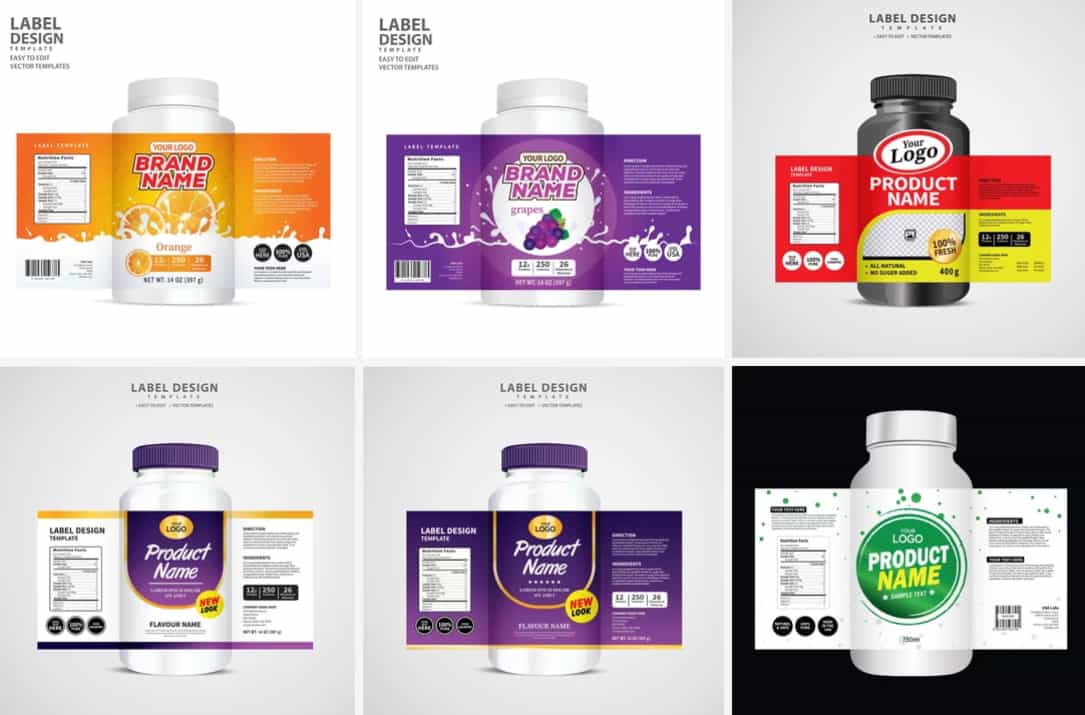
Share:


