


Popular label printing designs for lubricants today
Oil and lubricant labels are a type of sticker printed with information about the composition, manufacturer, usage instructions, storage, etc. Oil and lubricant labels used in the oil and lubricant industry are affixed to the surface of drums, cans, and containers.
The following information should be included on oil and lubricant labels:
- Product Name: The name of the lubricating oil product must be printed clearly and legibly, without abbreviations.
- Product Code: A product code is a sequence of characters or numbers used to distinguish lubricant products from the same manufacturer.
- Ingredients: The ingredients of the lubricating oil must be clearly printed, including both primary and secondary components.
- Manufacturer: The name and address of the lubricant manufacturer must be clearly printed.
- Origin: The origin of the lubricant must be clearly printed.
- Volume: The volume of the lubricating oil must be clearly printed.
- Instructions for use: Instructions for using lubricating oil should be printed clearly, completely, and in an easy-to-understand manner.
- Storage: Instructions for storing lubricating oil should be printed clearly, completely, and in an easy-to-understand manner.
- Warning information: Warning information regarding lubricants should be printed clearly, completely, and easily understandable.
- Other information: In addition to the above information, oil and lubricant labels can also include other information such as logos, images, barcodes, etc.
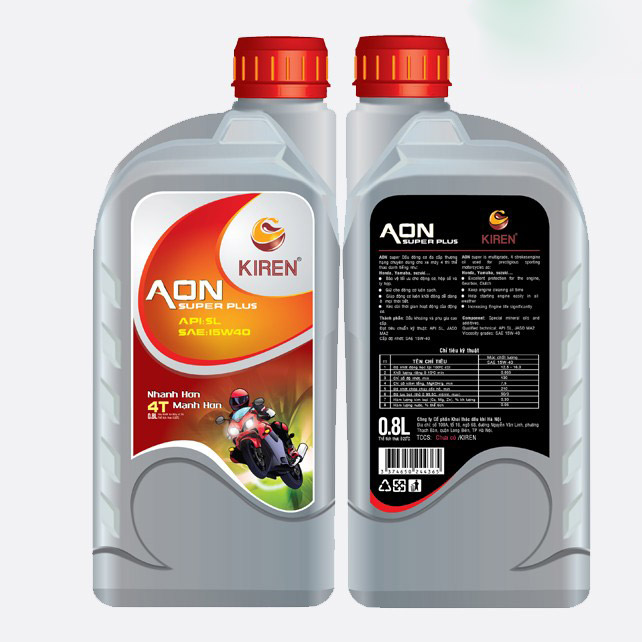
What are oil and lubricant labels?
Material for oil and lubricant labels:
Oil and lubricant labels are typically made from PVC plastic decal material. PVC plastic decals are highly durable, waterproof, and impact-resistant. In addition, oil and lubricant labels can also be made from other materials such as paper decals, silver foil decals, etc.
Size of oil and lubricant labels:
The size of the oil label depends on the size of the oil packaging. Oil labels typically range from 2×3 cm to 10×15 cm.
Technology for printing labels and stickers for lubricants:
Oil and lubricant labels are typically printed using offset or flexographic printing technology. Offset printing produces high-quality prints with vibrant, sharp colors. Flexographic printing offers relatively good print quality at a lower cost than offset printing.
Address for printing labels and stickers for engine oil:
There are many companies that print labels for lubricants on the market. You can choose a reputable and high-quality label printing company to print labels for your lubricant products.
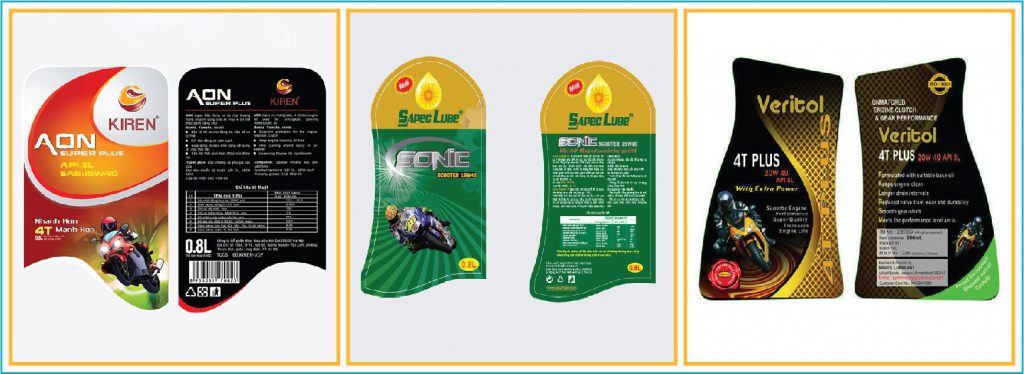
Features of Oil and Lubricant Labels
Oil and lubricant labels have several important features, including:
-
Providing essential information to consumers: Lubricant labels provide consumers with essential information about the product, including product name, product code, ingredients, manufacturer, origin, weight, usage instructions, storage instructions, etc. This information helps consumers choose the right product and use it safely and effectively.
-
Brand recognition: Lubricant labels help create brand recognition for the product. Beautifully designed, eye-catching labels that convey the brand message will help consumers remember and choose the product.
-
Enhancing product aesthetics: Lubricant labels enhance the aesthetic appeal of products. Beautifully designed and eye-catching labels will make products more impressive and attractive.
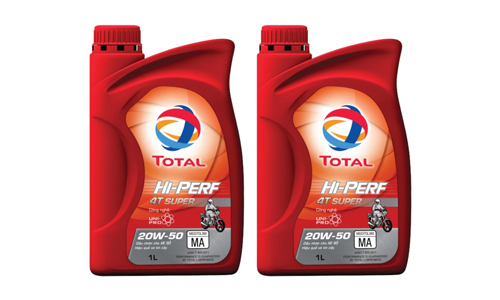
Labels on lubricants are an important part of the product. High-quality labels help build consumer trust and preference for the product.
Specifications of oil and lubricant labels
The specifications for oil and lubricant labels include:
- Materials: Oil and lubricant labels are typically made from the following materials:
- PVC plastic decals: PVC plastic decals are highly durable, waterproof, and impact-resistant.
- Paper decals: Paper decals are inexpensive and easy to print. However, paper decals are less durable than PVC plastic decals.
- Silver foil decals: Silver foil decals are water-resistant and stain-resistant. However, they are more expensive than PVC plastic decals and paper decals.
- Size: The size of the oil label depends on the size of the oil packaging. Oil labels typically range from 2×3 cm to 10×15 cm.
- Printing technology: Labels for lubricating oil are typically printed using the following technologies:
- Offset printing: Offset printing provides high-quality prints with beautiful, sharp colors.
- Flexographic printing: Flexographic printing offers relatively good print quality at a lower cost than offset printing.
- Printing ink: The ink used for printing labels and stickers for lubricating oil is usually made from the following types of ink:
- Oil-based ink: Oil-based ink has high durability and good fade resistance. However, oil-based ink is expensive.
- UV Ink: UV ink has high durability and good fade resistance. However, UV ink is relatively expensive.
- Water-based inks: Water-based inks are inexpensive and easy to print on. However, they are less durable than oil-based and UV inks.
- Adhesives: The adhesives used for oil and lubricant labels are typically made from the following types of glue:
- Acrylic glue: Acrylic glue has good adhesion and good water resistance.
- PUR adhesive: PUR adhesive has excellent bonding strength and is extremely waterproof. However, PUR adhesive is expensive.
- Design: Oil and lubricant labels need to be beautifully designed, eye-catching, and effectively convey the brand message. The labels should have a clear, easy-to-read, and easy-to-understand layout.
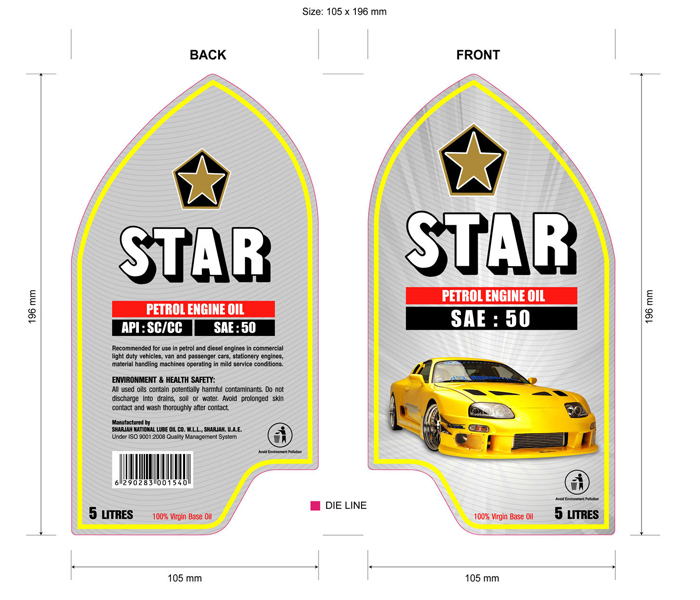
Standards for oil and lubricant labels
Labels for lubricating oils must meet the following standards:
- Quality standards: Oil and lubricant labels must be of good quality, ensuring that the information printed on the label is clear, easy to read, and easy to understand.
- Safety standards: Labels on lubricating oils must ensure consumer safety and not pose any health risks.
- Legal standards: Labels on lubricating oils must comply with legal regulations regarding product labeling.
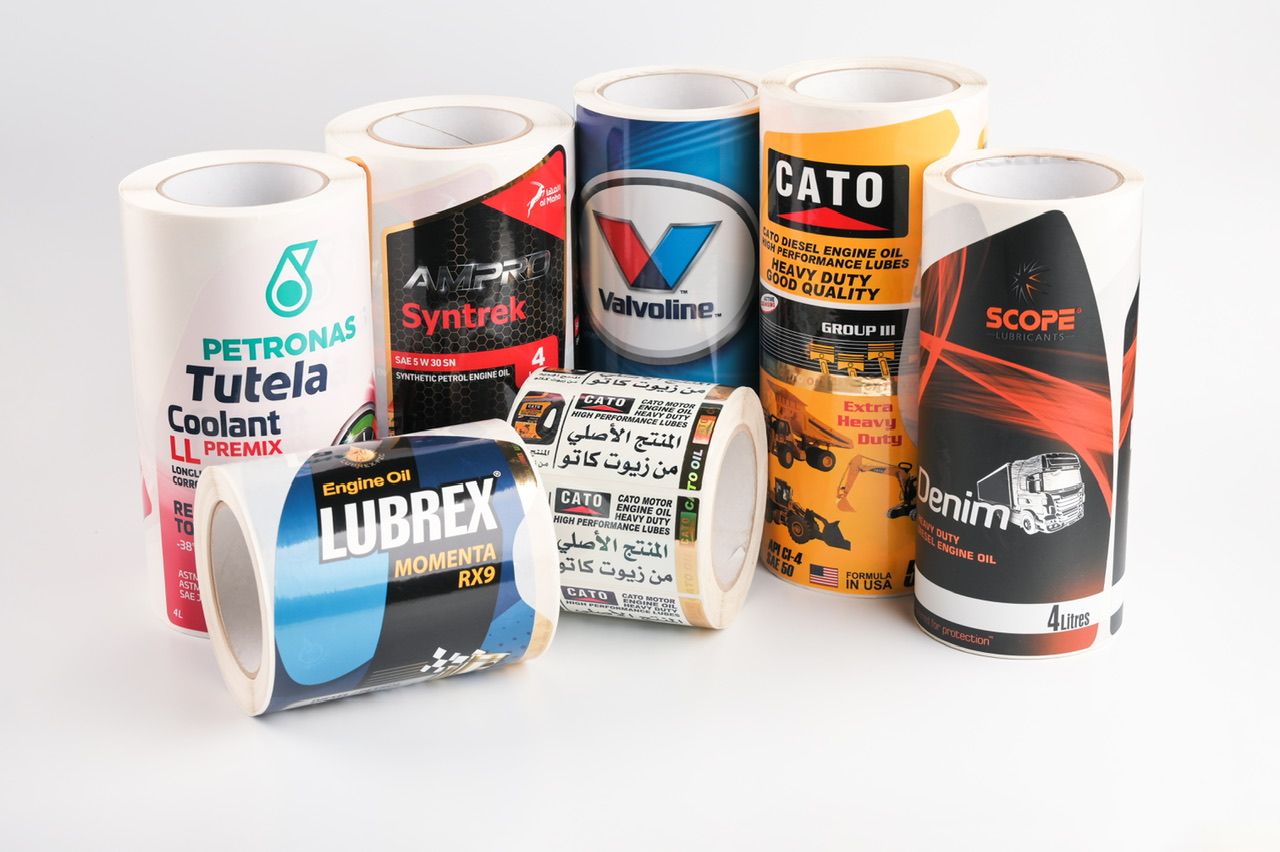
The role of oil and lubricant labels
Labels and stickers for lubricating oil products play a crucial role, specifically:
- Providing essential information to consumers: Lubricant labels provide consumers with essential information about the product, including product name, product code, ingredients, manufacturer, origin, weight, usage instructions, storage instructions, etc. This information helps consumers choose the right product and use it safely and effectively.
- Brand recognition: Lubricant labels help create brand recognition for the product. Beautifully designed, eye-catching labels that convey the brand message will help consumers remember and choose the product.
- Enhancing product aesthetics: Lubricant labels enhance the aesthetic appeal of products. Beautifully designed, eye-catching labels will make the product more impressive and attractive.
Share:


