


Popular types of RFID readers currently available.
RFID solutions are advanced technologies that help businesses manage warehouses efficiently, minimize losses, and save time in operations. One of the core components of this system is the RFID reader. Let's explore RFID readers, common types, and their practical applications.
What is an RFID reader?
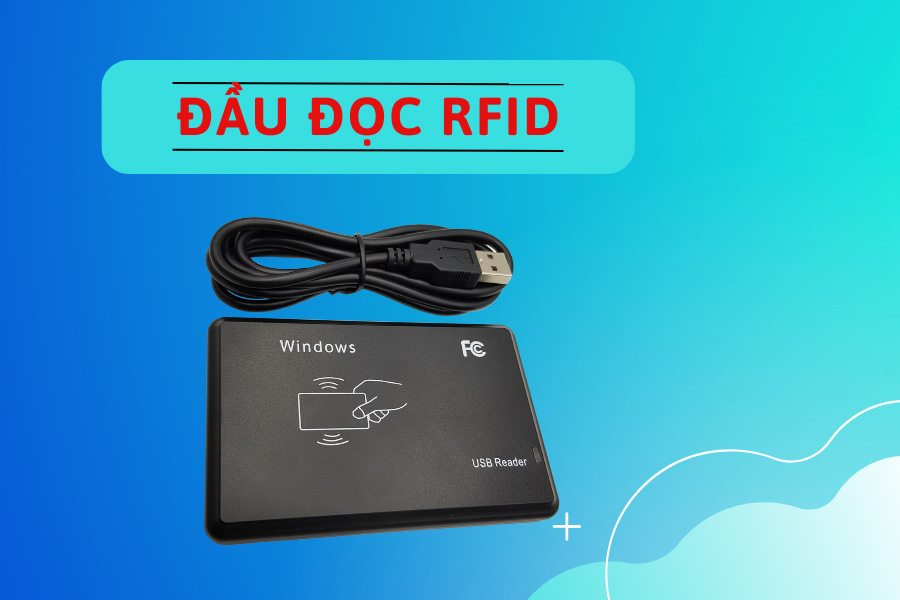
RFID (Radio Frequency Identification) readers are devices that collect information from RFID tags via radio waves, and are used to track people, goods, pets, and many other objects. Unlike barcodes, RFID tags do not need to be scanned directly; they only need to be within the reader's detection range (from 1 to 900 meters). With its fast and accurate scanning capabilities, this technology works effectively even when obscured by physical materials. However, due to its high cost, RFID cannot completely replace barcodes in all cases.
Common applications of RFID systems
– Passport management
– Parking and elevator access card management in residential areas
– Baggage tracking at airports
– Automatic payment kiosks
– Applications in household appliances and merchandise tags
– Animal and pet tracking
– Car locks and keys
– Cardiovascular patient monitoring
– Pallet management in inventory systems
– Integration with computer and telephone networks
– Support for spacecraft and satellite operations
The operating principle of RFID technology
RFID technology uses tags containing integrated circuits and small antennas to transmit information to a reader. Common frequency ranges include:
– Low frequency: 125–134 kHz or 140–148.5 kHz
– High frequency: 850–950 MHz or 2.4–2.5 GHz
High-frequency RFID tags generally have a better reading range but may be limited by the water-absorbing properties of the environment.
Classification of RFID readers
To meet diverse needs, RFID readers are classified according to two main criteria: device type and frequency range.
1. Classification by device type
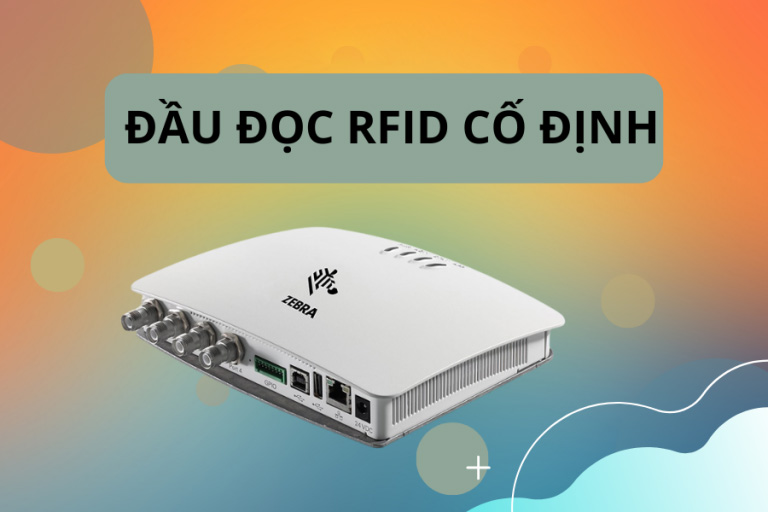
Fixed RFID reader
These devices are permanently mounted on ceilings, walls, entrances/exits, or on trolleys. This type of reader works with an antenna to connect and transmit data between RFID tags and the management system. A key feature is its ability to read automatically without direct human intervention.
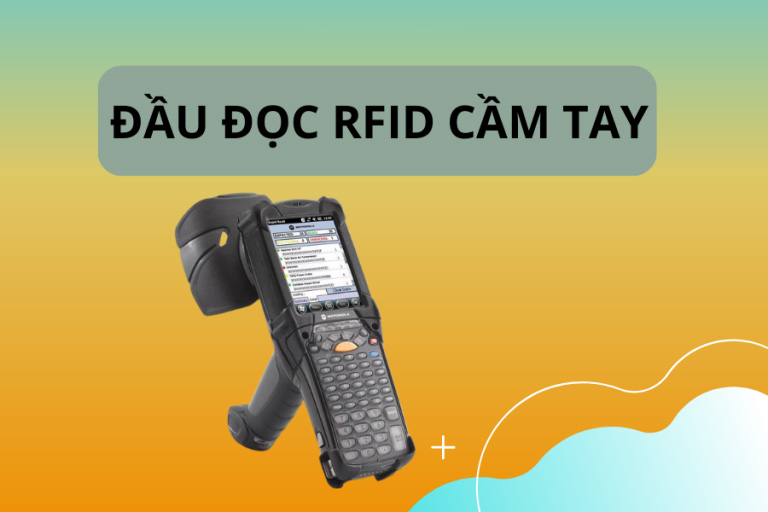
Handheld/Mobile RFID Reader
Handheld readers offer high versatility, making them suitable for product detection in large warehouses, retail stores, or shipping companies. These readers typically integrate RFID tag reading and scanning capabilities. Their compact, user-friendly design features flexible rotation for optimized target detection.
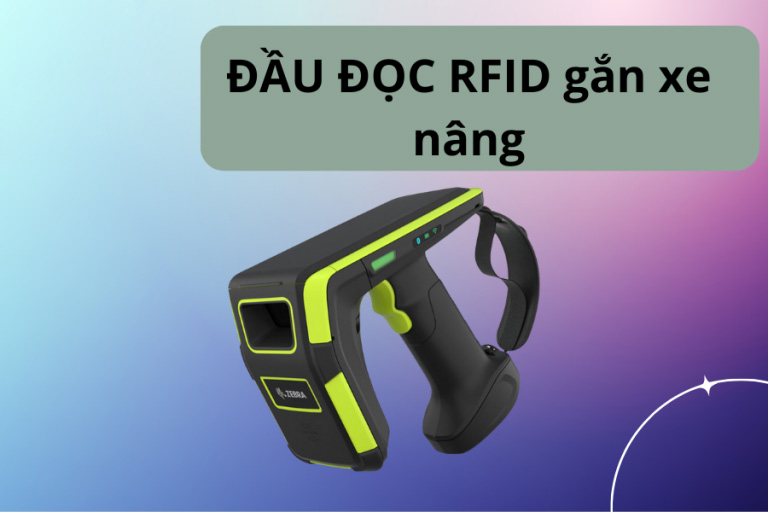
RFID reader mounted on a forklift.
Designed to automate the process of transporting and receiving goods, this device is often integrated into forklifts, pallet trucks, or other specialized vehicles in warehouses. It is characterized by its ability to withstand impacts and vibrations in harsh environmental conditions.
2. Classification by frequency range
LF RFID Reader (Low Frequency)
Operating at 125 kHz, it offers a short reading range at a low cost. Key interfaces include RS232, RS485, and USB, making it suitable for simple or close-range control applications.
HF RFID Reader (High Frequency)
Operating at a frequency of 13.56 MHz, it allows for a scanning range of up to 90cm. This type is often integrated with Bluetooth for direct connection to a server, making it convenient for quickly locating goods in warehouses.
UHF RFID Reader (Ultra High Frequency)
Operating at 2.4 GHz or higher, it can read data over long distances.
Share:


