


RETAIL MANAGEMENT USING RFID
If you've been paying attention to retail technology lately – especially in the apparel industry – you've probably heard people talking about RFID. Recent research shows that the number of retailers using radio frequency identification (RFID) technology increased by 39 percent in 2017 compared to 2016, a significant increase. So why are so many retailers deciding to invest in RFID adoption? Because the future of omnichannel retail can be built on this technology. The use of barcode printers to print barcode labels and stick them on products is a thing of the past. Instead, RFID tags are used to optimize inventory management.
RFID tags and readers can provide a wealth of insights into what's happening in stores and help keep customers satisfied at the same time. The adoption of RFID is a trend that is likely to continue, as it offers numerous benefits to businesses, including the ability to know where employees are, how to approach the store, and to improve the bottom line.
Trends in RFID application in the retail industry.
RFID tags help keep inventory accurate. Retail and brick-and-mortar stores have a lot to keep track of. Stores are well-stocked with products and new merchandise continues to arrive. Accurate inventory is crucial, not only to keep operations running smoothly but also to keep customers satisfied. If a customer can't find the item they want in one store, they're likely to turn to another retailer for it. Even worse, imagine a customer who saw on a business's website that a store had the product they wanted, only to arrive at the store and discover that information was incorrect.
Real-time, accurate inventory prevents various kinds of risks. When retailers have accurate data, they can quickly find items in the backend, confidently list items online even when they only have a small amount of inventory, and readily accept online purchases, in-store purchases – retail purchases. With accurate data, both retailers and customers gain flexibility in when and where purchases occur.
RFID is becoming more accessible. The concept of RFID technology isn't new, but we're seeing significant growth in retail today partly because the price might be right. In 2003, RFID tags cost around a dollar (not insignificant if you consider that retailers needed to put a tag on all items), but now the price has dropped to around 10 cents. The goal for technology companies is for RFID tags to reach one penny each, which could lead to even wider adoption.
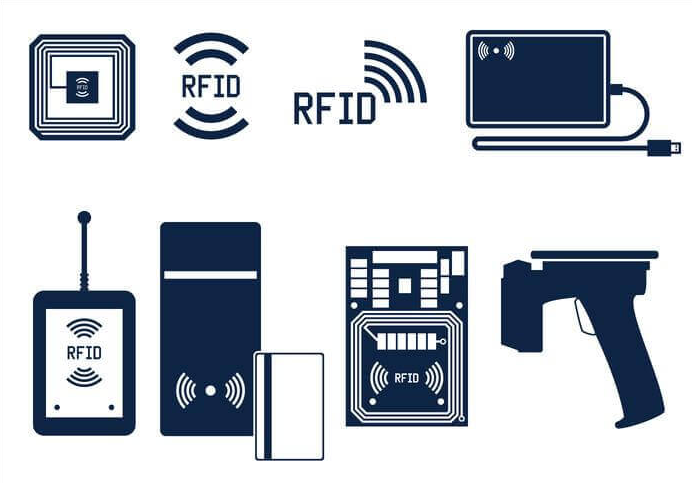
Retailers can also choose from a variety of scanners and sensors to read RFID tags. Handheld devices are generally less expensive than front-mounted sensors, but fixed RFID solutions prove cost-effective in the long run because they can automate entire processes and reduce labor costs. Retailers can select the most suitable RFID devices from these options based on cost, ease of use, and store layout.
Employees can spend their time wisely. Employee time is very valuable, so it's more appropriate to have sales staff dedicate their time to the most important tasks (like assisting customers). Because RFID technology speeds up inventory and allows for instant tracking of items, it frees up associates to spend time interacting with people in the stores.
The insights gained from RFID technology can also help employees perform their jobs better. RFID data can inform retailers about the most efficient product placements, suggest ideal store layouts, and reveal which products are most popular. All of that information will help affiliated stores create the best possible store and sell products to shoppers.
Optimizing business costs: The most successful retailers tend to be the most agile. They are prepared to interact with customers wherever their customers shop, whether it's in-store, on the website, or via a mobile app. RFID technology and related responsive retail technology enable retailers to track everything more quickly and accurately, a key capability in an industry where customers expect the items they want to be available when and where they want them.
By reducing inaccuracies, lowering costs associated with inventory monitoring, and satisfying customers by quickly providing the items they're looking for, retailers can see improved ROI for RFID, in addition to enhanced flexibility. These improvements can lead to retail businesses transforming.
RFID inventory management has received a lot of positive press recently as the adoption of the technology in the retail sector has skyrocketed. With research showing 39% of retailers using RFID in 2017 compared to 2016, it's no surprise that this technology is a huge talking point.
RFID tags provide retailers with valuable insights into what's in store, as well as improving customer service. With all the products found in a typical store, maintaining accurate inventory is essential. Besides the nagging problems incorrect inventory can cause for management, customers will be ahead of the competition if they can't find what they need.
Retailers with access to accurate, real-time data have a significant advantage, and those who take this step further by offering customers a way to purchase products online and then pick them up in-store can provide a new level of flexibility.

RFID is becoming increasingly affordable and widely used:
Another factor contributing to RFID's rapid growth in recent years is its increasing affordability. RFID tags cost around one dollar in 2003, a price that quickly increased if a retailer wanted to add a tag to each item in the store. This price has since dropped to around 10 cents, making it more viable for many companies. It's only likely to get better from here; high-tech companies have set a goal of getting the price of RFID tags down to one cent each, which would further boost its adoption.
The demand for these tags is also becoming more reasonable. While handheld devices can be purchased at a very reasonable cost, many retailers are finding fixed RFID solutions to be a better long-term investment due to their ability to automate entire processes and reduce labor costs. Best of all, with RFID's ability to increase inventory and product tracking capabilities, employees have more time to interact with customers and perform other tasks.


Share:


