


Rfid Reader
What is an RFID reader?
An RFID reader, also known as a radio frequency identification reader, is a device widely used to extract information from RFID tags, which are then used to track individual objects. Radio waves transmit data from the RFID tag to the reader.
RFID card readers connect to a host computer or network and send information in various ways. This allows for smoother operation by connecting directly to the computer and creating a networked communication system.
RFID readers are divided into two types:
Fixed RFID Reader
Fixed readers are typically two, four, or eight-port readers and offer high performance. These RFID readers are high-performance and have sensitivity not suited for mobile use. Integrated readers are a fixed reader, but they combine the reader and antenna into a complete device. Integrated readers are usually medium-durability readers suitable for use with a small number of RFID tags and a small coverage area.
Portable RFID Reader
One of the most popular types of portable RFID readers is the laptop-style reader, which also has a built-in antenna. These readers don't have additional antenna ports, but are equipped with various other features, such as onboard controls for operation. They can run multiple programs and maintain the same functionality.
In addition, there is a second type of handheld RFID reader. This is a small reader that connects to a smart device via Bluetooth or a port and uses the mobile phone to work with that device.
Most RFID readers are manufactured with specific specifications, options, and features that differentiate them from other card readers on the market. Below are some options and features for the most common types of RFID card readers.
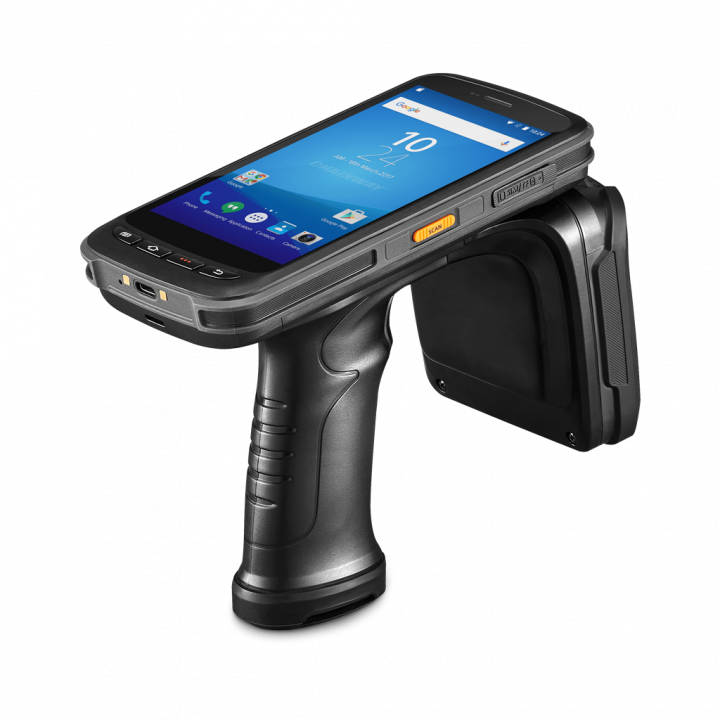
Configuration of RFID readers according to other characteristics
The most common way to categorize card readers is by their size. However, it is possible to distinguish between RFID readers by using other features, such as connection options, available devices, functions, configuration options, power options, antenna ports, etc.
- Frequency: 902–928 MHz (USA), 865–868 MHz (EU), etc.
- Portability: Fixed RFID Reader , Integrated RFID Reader , and Mobile RFID Reader
- Connectivity options: Wi-Fi, Bluetooth, LAN, serial port, USB, auxiliary port
- Available content: HDMI, GPS, USB, camera, GPS, GPIO, 1D/2D codec, zoom
- Adjustable power: Adjusts power output, either boosted or dedicated.
- Power source options: plug-in, PoE, battery, auto-set, USB
- Antenna station: No external station, port 1, port 2, port 4, port 8, port 16.
Integrated RFID reader
RFID readers connect to computer systems, providing services and transmitting information in various ways. This communication allows readers to work more easily than a direct connection to a computer. Instead, they can connect with software developers and other RFID readers to create a network of interconnected systems.
- Wi-Fi
- Bluetooth
- AND
- Serial port
- Side gate
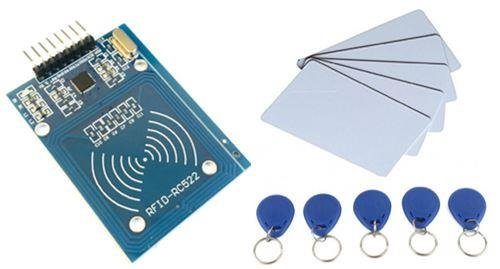
Price of RFID Reader
The price of an RFID reader depends on the type of label and also on the order quantity. Typically, the price for integrated labels ranges from $0.09 to $1.75, and hard tags (more durable and weather-resistant than integrated labels) can range from $1.00 to $20.00. The higher the level of customization or specialization, the more expensive it will be.
How to select an RFID Reader card
The process of selecting an RFID reader depends on carefully examining the tags in the area and the objects you want to insert them into. You can also integrate features to ensure the reader is compatible with your needs. Here are some ways to choose an RFID reader.
- Type of surface for tagging
- Reading range?
- Size limitations
- Environmental conditions such as: high temperature, cold temperature, humidity, etc.?
Share:


