


RFID tag technology
Definition of RFID Tag
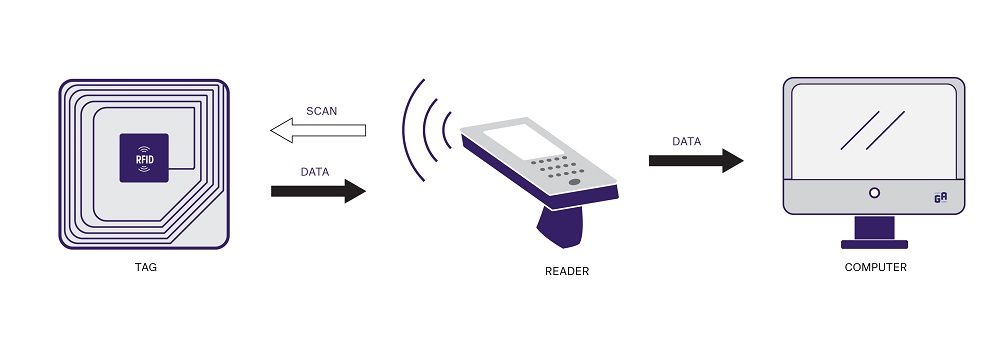
RFID tags are a type of tracking system that uses smart tags to identify objects. RFID stands for “radio information,” and therefore, RFID tags use radio communication technology. These radio waves transmit information from the tag to a reader, which then transmits the information to the RFID computer system.RFID tagsare commonly used for products, but can also be used to track cars, pets, and even Alzheimer's disease.
How RFID Tags work
RFID tags work by sending and receiving information via antennas and microchips, also known as wireless networks or digital signals. The holes on the RFID reader are recorded with any information the user wants.
There are two main types of RFID tags: battery-operated and passive. As the name suggests, RFID tags are powered by a connected battery, but passive RFID tags are not, instead operating using a battery. Electronic data is sent from the RFID reader. There are also battery-powered RFID tags.
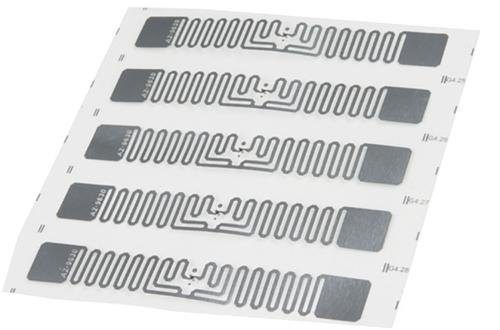
Neutral RFID tags use three main transmission modes: 125–134 kHz, also known as low frequency (LF), 13.56 MHz, 865–960 MHz, also known as near-field high frequency (NFC), and 865–960 MHz, also known as ultra-high frequency (UHF). The frequency it uses affects the size of the line. When the reader detects an inactive RFID tag , the reader sends a signal to the tag, which is sufficient for the chip on the antenna to send information back to the reader. The reader sends this information back to the RFID computer program for details. There are two main types of passive RFID tags: inlaid tags and solid tags. The overlay is usually quite thin and can be held in place, while the solid seal, as its name suggests, is made of durable material such as plastic or metal.
How do RFID tags work?
RFID tags operate using one of two main frequencies – 433 MHz or 915 MHz – to transmit information. There are three main parts, including the tag, the antenna, and the detector. The battery in an active RFID tag will last from 3 to 5 years. When the battery runs out, the device will need to be replaced as the battery is not replaceable. There are two main types of active RFID tags: signal and transponder. Signal tags send ping messages every few seconds, and their signals can be read from hundreds of meters away. Because they frequently send data, their batteries drain faster. Similar to RFID tag transmission, readers must use transponders to transmit information. Within the confines of the page, the reader must first send a message to the transponder, which will then relay the necessary information. Because they only flash when they are near the reader, battery-powered transponders perform better than signal tags.

Example of RFID Tag
Because active RFID tags transmit signals continuously, they are an excellent choice for those seeking up-to-date monitoring capabilities. Examples include real-time vehicle tracking and toll collection applications. They are expensive products, but they offer a long read range, which can be better depending on the application. Passive RFID tags are a much cheaper option than active RFID tags, costing around 20 cents per tag. This makes them a popular choice for supply chain management, tender tracking, file management, and access control applications. While passive RFID tags don't require a direct line of sight with an RFID reader, they have a much shorter read range than active RFID tags. They are small, lightweight, and can last a lifetime.
Because active RFID tags have a larger and more robust design than passive RFID tags, they are better suited for applications requiring durability. They are commonly used in toll payment transponder systems, goods tracking applications, and even devices used to track people.
Disadvantages of RFID Tags
RFID tags are not as great as other tracking tags for several reasons. Some RFID issues relate to various technical and security problems. Because RFID tags cannot distinguish between readers, most people can read the information after it leaves the original supply chain. Because RFID readers are very mobile, and so is the choice of many tags, fraudsters can collect information they don't have access to. This means anyone could collect potentially sensitive information without their knowledge. Another security concern for consumers is that RFID tags can be linked to personal credit cards, creating the possibility of theft and fraud.
From a technological standpoint, RFID tags are largely problematic due to the lack of a true international or industry standard. Because they operate on radio frequencies, RFID tags and their systems can also be susceptible to interference or disruption, reducing their effectiveness. This leads to longer turnaround times and reduced productivity at both warehouses and storage facilities.
Unexpected problems with RFID tags.
Additionally, there are potential signal issues with RFID product systems. These include collisions, when signals come from two or more readers, and interference from cars, water, or other magnetic fields caused by the surrounding area. RFID tag systems also require significant time and effort to improve. Companies must test different hardware systems and boards to find the best one, which can take months to fix. Beyond the cost of the RFID system itself, such as RFID tags and analytics, the increased time and service also mean increased costs. These types of problems are often avoided by using code blocking, which is why they are a product management and data collection option for many companies.
Share:


