


Standard label printing process
Standard label printing process at Nam Viet
The standard label printing process at a label printing company includes four main steps :
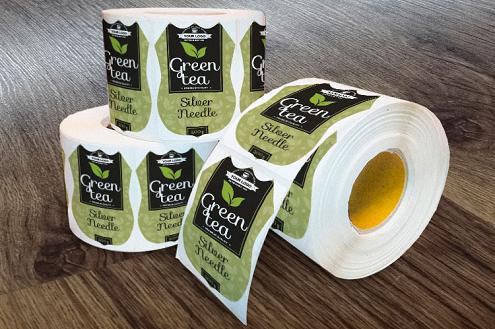
Step 1: Determine the appropriate location for affixing the label.
Based on the actual product, the designer will determine the most suitable location for the label. Specifically, the label placement must meet the following requirements:
- Consumers can easily read and see all the information displayed on product labels.
- The placement of the sticker does not affect the product quality.
- The placement of the sticker should be aesthetically pleasing to the product.
Step 2: Design product labels
Product labels must contain all the mandatory information required by law, including:
- Product name.
- Product ingredients.
- Instructions for use.
- Expiry.
- Manufacturer information.
In addition, product labels can also display other information such as logos, slogans, images, barcodes, etc., to enhance aesthetics and brand recognition.
Step 3: Printing and producing labels
After the design is complete, the labels will be sent for printing and production. Currently, there are two common label printing technologies: offset printing and digital printing.
- Offset printing is a traditional printing technology that produces high-quality results and is suitable for large-volume orders.
- Digital printing is a modern printing technology with fast printing times, suitable for small-quantity orders.
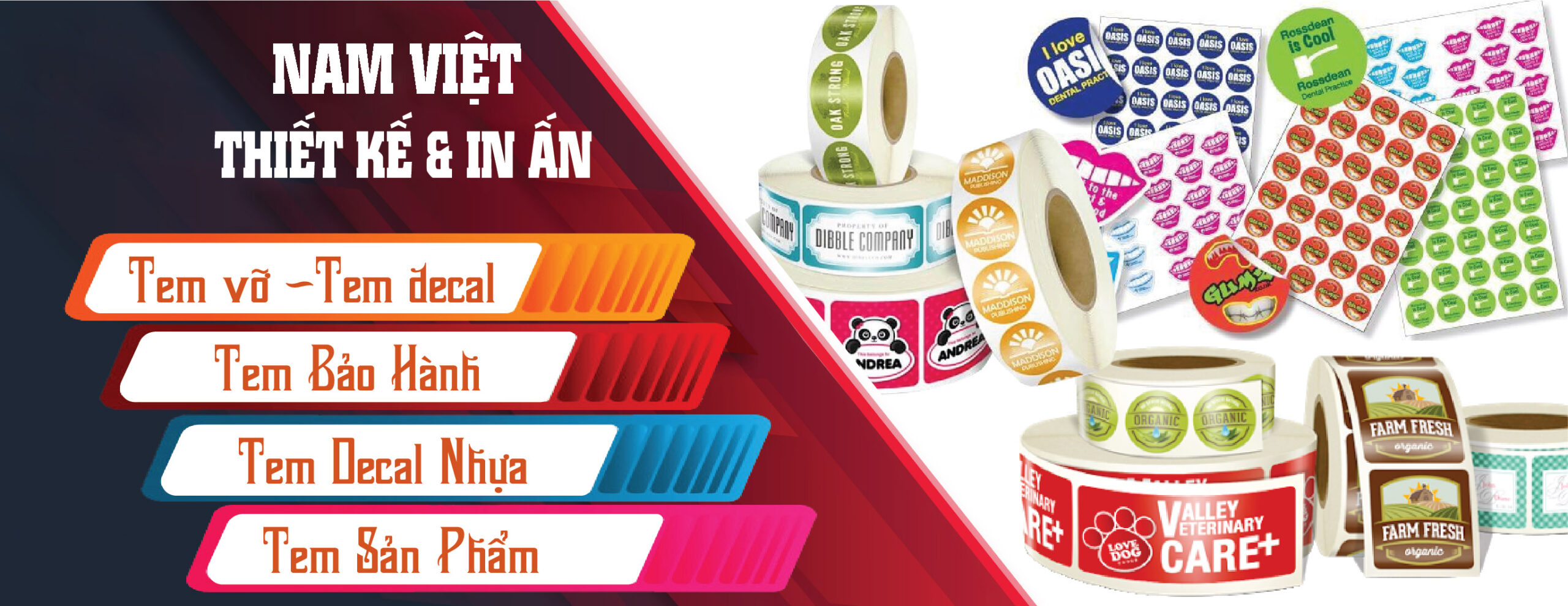
Step 4: Attach labels and tags to the product.
After printing and production, labels are affixed to products using manual or automated methods.
Common manual stamping methods include:
- Apply the stamps by hand.
- Apply the labels using a labeling machine.
Common automated labeling methods include:
- Apply labels using an automatic labeling machine.
- Apply labels using an automatic labeling machine that follows a line.
Here are some things to keep in mind when creating standard labels:
- Labels should be designed with dimensions appropriate for the product.
- Labels need to be printed with high quality, clear, and sharp.
- Labels must be securely affixed to the product and not peel off.
Labels are an indispensable part of a product, providing information about the product to consumers and contributing to enhancing the brand value of the business.
The material used for printing labels is a crucial factor determining the quality, durability, and aesthetics of the labels. Currently, there are many different types of label printing materials available, each with its own advantages and disadvantages.
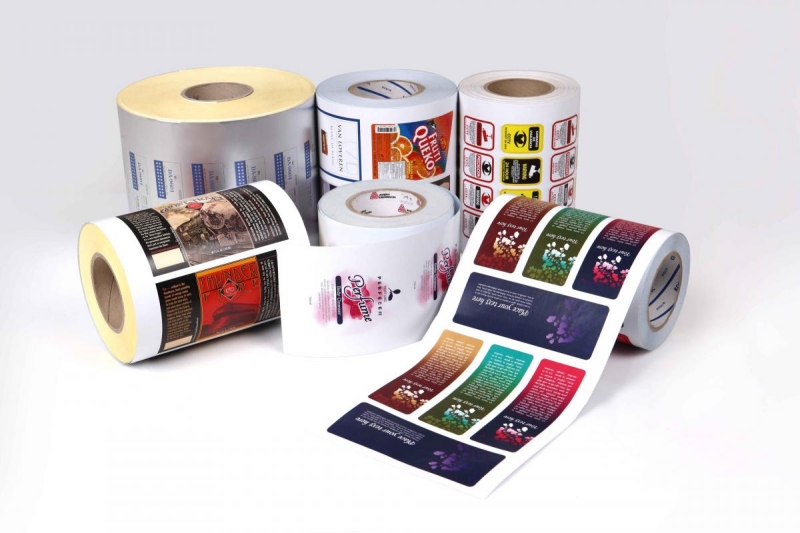
Common types of label printing materials
- Paper: Paper is the most common material for printing labels and tags. It is inexpensive, easy to print on, and comes in many different types to choose from, suitable for various products. However, paper is less durable than other materials and is easily damaged by water.
- Plastic: Plastic is a highly durable material for printing labels and tags, being waterproof, scratch-resistant, and able to withstand environmental impacts. There are many different types of plastic, the most common being PVC, PE, and PP.
- Fabric: Fabric is a material used for printing labels and tags on clothing, shoes, bags, and other products. Fabric is highly durable, waterproof, and can be printed with a variety of colors and patterns.
- Metal: Metal is the most durable material for printing labels and tags, being waterproof, scratch-resistant, and able to withstand environmental impacts. Metal is commonly used for printing labels for electronic products, refrigeration equipment, machinery, etc.

How to choose materials for printing labels and tags.
When choosing materials for printing labels and tags, the following factors should be considered:
- Product type: The type of product will determine the label's ability to withstand environmental exposure. If the product is likely to be exposed to water, chemicals, high temperatures, etc., then a highly durable, waterproof, scratch-resistant, and environmentally resistant material should be chosen.
- Aesthetic requirements: If high aesthetic standards are required, choose materials with colors and patterns that complement the product.
- Printability: Some materials require specific printing technologies.
- Cost: The cost of different label printing materials varies. It's necessary to choose materials that fit your budget.
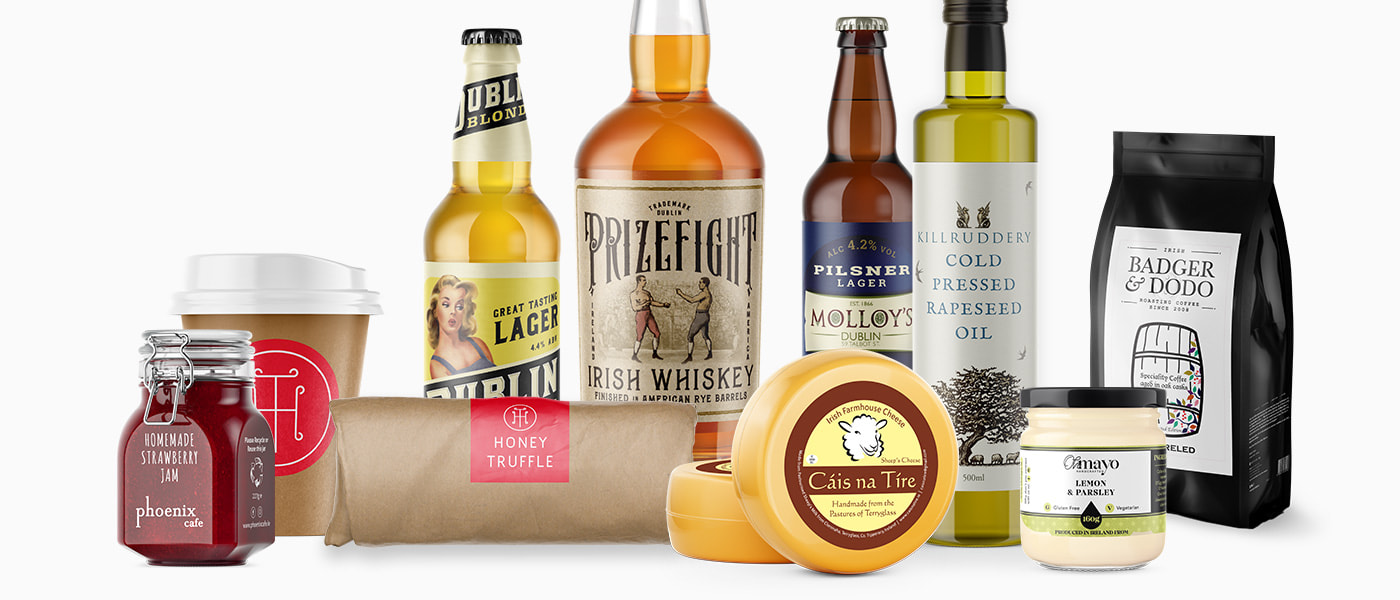
Some things to keep in mind when using label printing materials.
- Before printing: Carefully check the quality of the label printing material, ensuring that the material is not torn, punctured, dirty, etc.
- During the printing process: It is necessary to use the correct type of ink and printer suitable for the label printing material.
- After printing: Labels and tags need to be stored properly to avoid damage.
Label manufacturing technology
Label manufacturing technology is a complex process, involving many different steps, from design, printing, die-cutting to applying the labels to products.
Step 1: Design the label
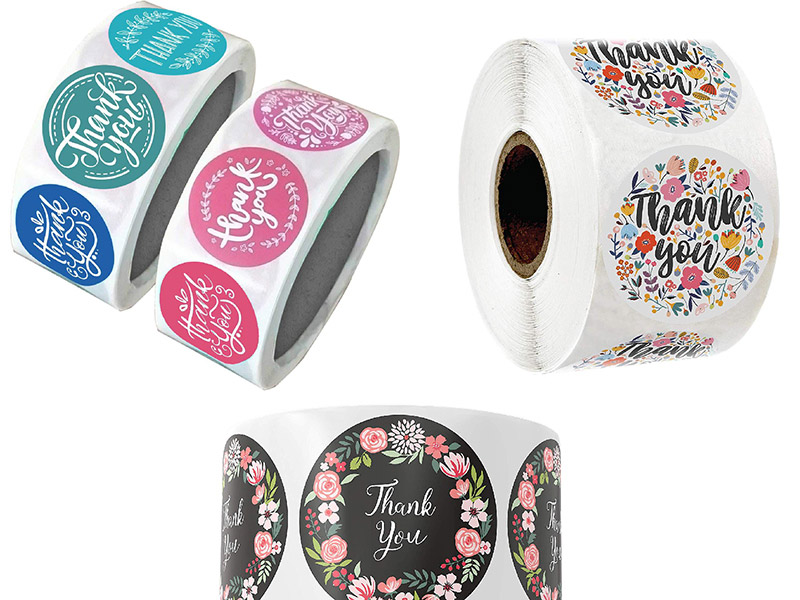
The first step in the label production process is design. Label design must ensure that all required information is included according to legal regulations, while also being aesthetically pleasing and suitable for the product.
Step 2: Print labels
After the design is complete, the labels will be sent for printing. Currently, there are two common label printing technologies: offset printing and digital printing.
- Offset printing is a traditional printing technology that produces high-quality results and is suitable for large-volume orders.
- Digital printing is a modern printing technology with fast printing times, suitable for small-quantity orders.
Step 3: Die-cut the labels
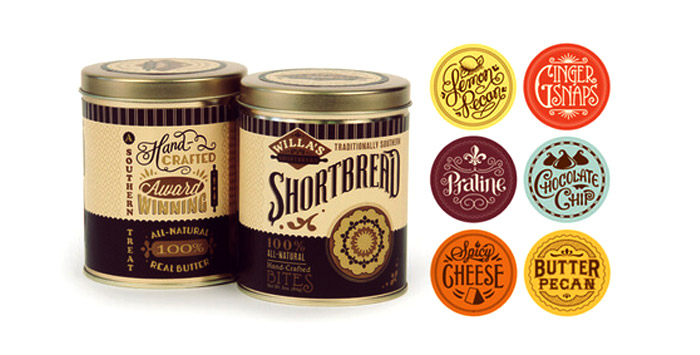
After printing, the labels will be die-cut to the desired shape. The most common label die-cutting technology is using an automatic die-cutting machine.
Step 4: Attach labels to the product.
After die-cutting, the labels will be affixed to the products using manual or automated methods.
- Manual labeling is a method of applying labels by hand, suitable for small quantity orders.
- Automatic labeling is a method of applying labels using an automatic labeling machine, suitable for large-volume orders.
Label manufacturing technology plays a crucial role in creating high-quality labels that meet the needs of consumers and businesses.
Share:


