


Structure and operating mechanism of flexographic printing machines.
Flexographic printing is one of the most efficient and valuable tools in the printing industry today. It is suitable for a wide variety of materials and printed products.
In this section, we will help you understand what a flexographic printing press is and its features for achieving the best possible results.
Flexographic printing is considered the most popular technology among those that have emerged and developed in the printing industry. Flexographic printing uses flexible photopolymer plates to print images over a wide range. This method also works for large and numerous print runs.
Widely used for printing and packaging, flexographic printing has always been highly regarded. Flexographic printing systems are reliable. Not only that, they provide high-quality, consistent prints. The ink volume is controlled by a laser-etched ink roller called anilox roller. In theory, the process is simple. It involves using a printing plate mounted on a rotating shaft, applying ink to the shaft, and starting the printing process.
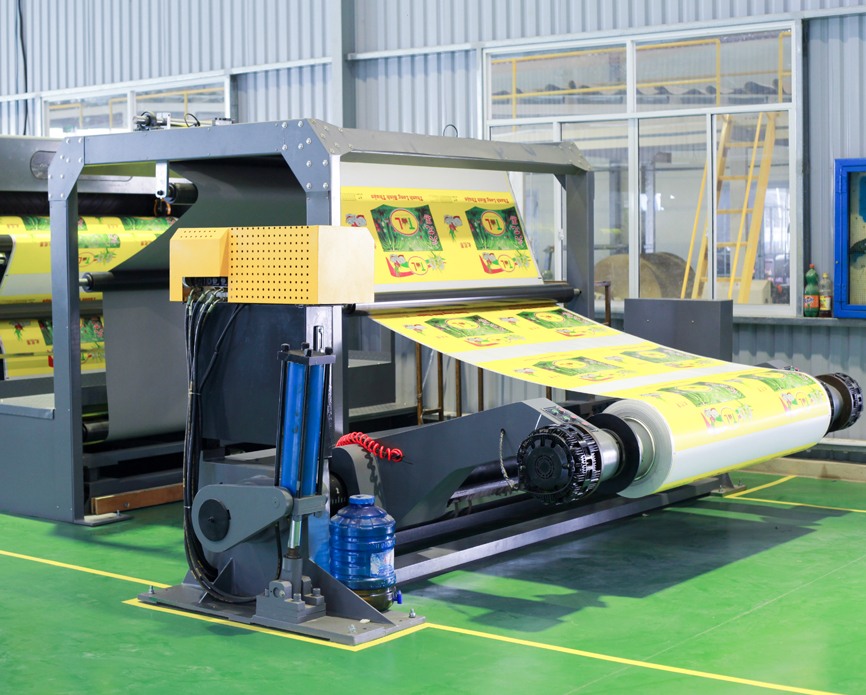
The printing plates are made of a flexible polymer material strong enough to display millions of prints. These prints can be used more frequently if they are stored properly. It is possible to produce over 150 meters per minute.
Flexographic plates are used in flexographic printing machines.
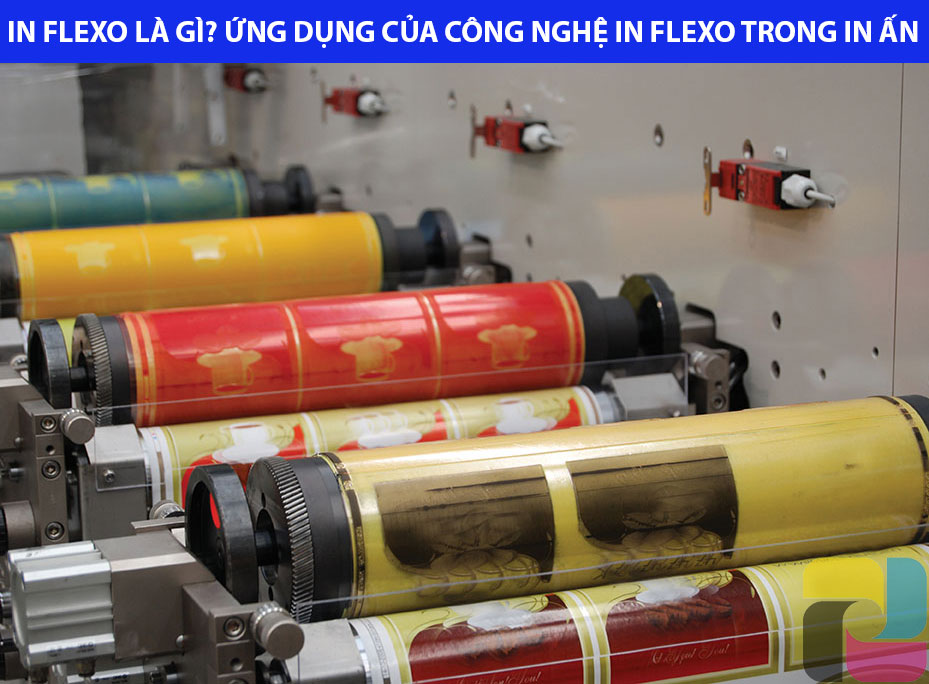
Although originally made from rubber, flexographic plates today are made from photopolymer materials and are often produced using CTP paper technology. The design is created by applying a print onto the flexographic plate. What is a flexographic printing press? It is then placed on a printing cylinder and fed into the flexographic printing press. With each movement of the cylinder, the color is transferred from the anilox cylinder to the flexographic plate and back onto the surface. This method allows for consistent quality, precision, and repeatability.
Flexographic printing ink is the most commonly used ink.
Flexographic inks dry quickly, either from solvents or UV radiation. The most suitable ink type will depend on the specific machine and application. The flexographic process allows for the use of a wide variety of inks, including specialized inks for protective coatings, writing, fluorescent, and metallic finishes.
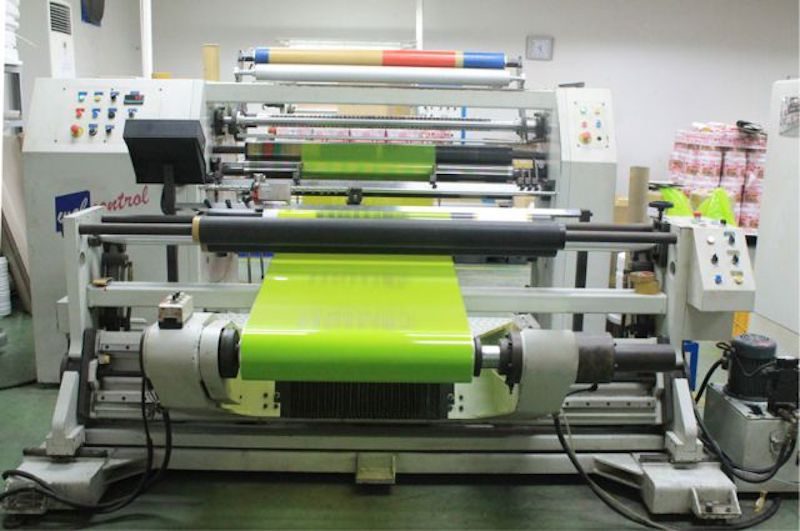
In addition to its function as a flexographic printing machine, the flexographic press also contains various types of food packaging inks and environmentally friendly inks.
Types of inks for flexographic printing technology
Flexographic printing presses can print on porous substrates such as cardboard, paper, and fabric, as well as non-porous materials like plastic, cellophane, metal, and foil. The material is fed to the compressor in the form of a coil from the output unit. The stretched substrate is then carefully monitored and controlled, allowing for multiple colors to be printed simultaneously.
The use of flexographic printing machines
Flexographic printing is often integrated into several techniques, such as lamination, foil stamping, screen printing, digital printing, cutting, embossing, die-cutting, shaping, and more. Additionally, roller cooling can be used to control surface temperature. It is also used for printing on hot-rolled objects.
Share:


