


The combination of AI and RFID technology.
In recent years, AI technology has made tremendous strides, serving humanity in many fields such as information, video, and imagery. The emergence of flagship products like ChatGPT and DeepSeek has created a boom, marking a significant milestone in the development of artificial intelligence. Simultaneously, RFID technology, although introduced long ago, is now increasingly being applied in goods management due to its high efficiency. The combination of AI and RFID has opened up new avenues for automating the process of tracking and managing goods, leading to more effective and secure management.
Overview of AI and RFID technologies
AI (Artificial Intelligence) is intelligence programmed by humans, developed with the goal of simulating the ability to think and act intelligently like humans. AI technology aims to automate complex activities, minimize direct human intervention, and provide effective support in many different fields.
RFID (Radio Frequency Identification) is a technology that uses radio waves to identify and track objects. RFID has been applied in many industries, from livestock farming to inventory management and supply chain control.

The combination of AI and RFID
AI and RFID are two superior technologies that can be combined to deliver exceptional value in a variety of situations:
– Object Identification: AI can analyze data from RFID tags to identify objects such as goods, equipment, or assets. This capability is useful in inventory management, preventing asset loss, and controlling access in restricted areas.
– Object Tracking: With data from RFID tags, AI can monitor the movement of goods or equipment, thereby optimizing the supply chain, managing assets more efficiently, or monitoring the surrounding environment.
– Behavior Prediction: Through the analysis of RFID tag data, AI can predict object behavior or development trends. This application is suitable in areas such as forecasting customer demand, identifying potential problems, or supporting intelligent decision-making.
– Process Optimization: Analyzing RFID data with AI significantly improves business operational processes, such as increasing operational efficiency, reducing costs, or improving product and service quality.
According to TechJury statistics, approximately 35% of companies have already implemented AI in their business operations, while another 42% are researching future applications. Simultaneously, the popularity of RFID is steadily increasing; notably in the retail sector, where the adoption rate of this technology has reached 93%, according to a report from LPM.

Practical applications of combining AI and RFID.
RFID offers numerous optimal solutions for a wide range of industries. For example, in manufacturing, this technology helps track materials and production processes, thereby improving quality management and increasing productivity. RFID also supports real-time monitoring and provides accurate data throughout the supply chain.
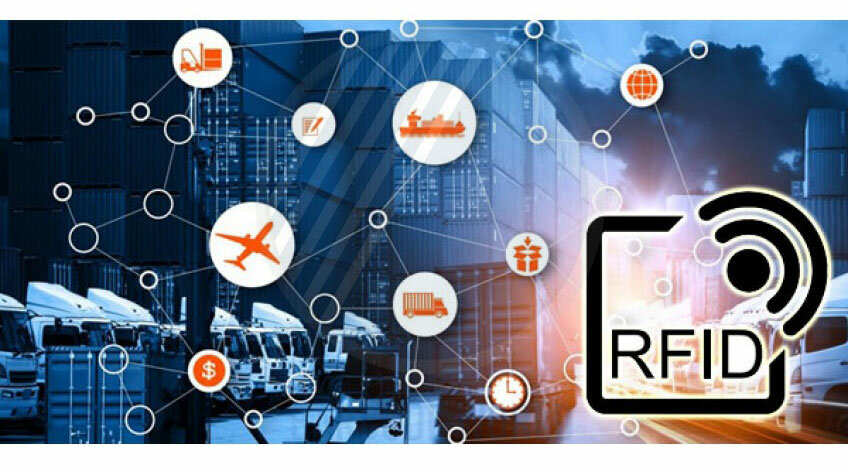
When combined with AI, the efficiency of RFID data utilization is significantly enhanced thanks to its ability to process large volumes of information and integrate into practical applications. Some specific examples of this combination include:
Manufacture
RFID technology combined with AI (artificial intelligence) is increasingly improving efficiency in the manufacturing sector. Manufacturers can leverage this technology to manage inventory, personnel, and material handling equipment, thereby minimizing the risk of products being mishandled or shipped to the wrong location.
For example, RFID-integrated material handling systems can help businesses locate and track equipment such as forklifts or clamps. This helps ensure that vehicle operation is accurate, preventing goods from being removed from the warehouse or moved in the wrong direction.
Furthermore, RFID technology supports more efficient production planning and minimizes losses. Thanks to its ability to accurately control inventory, businesses not only save on labor costs but also improve overall operational efficiency.
Transport
In the transportation sector, the combination of AI and RFID has opened up opportunities to optimize inventory processes, enhance safety, and optimize transportation routes.
Businesses can use RFID to tag boxes, containers, or shipping boxes, along with detailed information about their contents. This allows staff to quickly scan and verify the information, ensuring accuracy in inspections.
Not only does this method save time, but it also eliminates the need for manual inventory counting. With RFID readers, staff simply scan storage areas to confirm the location of goods in real time.
Thanks to the speed and precision of the process, logistics companies can allocate resources to more valuable tasks, thereby increasing profits and minimizing the risk of loss or damage to goods. This also helps save on labor, fuel, and insurance costs; while ensuring on-time delivery and providing customers with more detailed information about the order's progress.
Material handling
RFID (Radio Frequency Identification) is a versatile technology that automates processes such as inventory management and logistics using radio signals. In many industries, RFID is considered a cost-effective and highly applicable solution.
When integrated with AI, RFID's effectiveness is further enhanced through its ability to automate the supply chain. This technology not only reduces labor costs but also provides real-time data on material movement, contributing to improved operational efficiency.
Furthermore, RFID improves inventory tracking accuracy by easily identifying items that are in stock or out of stock, while preventing the risk of loss and damage.
In construction, RFID also offers significant benefits by providing specific data on the materials needed for each project. This helps managers plan more accurately, saving considerable time and costs.
Supply chain
For a highly efficient supply chain, the transfer of goods from point A to point B needs to be fast and accurate. RFID technology plays a crucial role in identifying and tracking goods throughout the entire process, from raw materials to the final product.
Thanks to its ability to improve data accuracy and provide full-chain traceability, RFID simplifies inventory management and minimizes losses.
When combined with AI, this technology becomes even more powerful thanks to its ability to intelligently predict when products need to be restocked or manage out-of-stock situations.
AI systems also help improve warehouse operations, ensuring orders are processed quickly and on time. At the same time, workplace safety monitoring becomes more effective as AI can detect risks early and promptly warn manufacturers to minimize unwanted incidents.
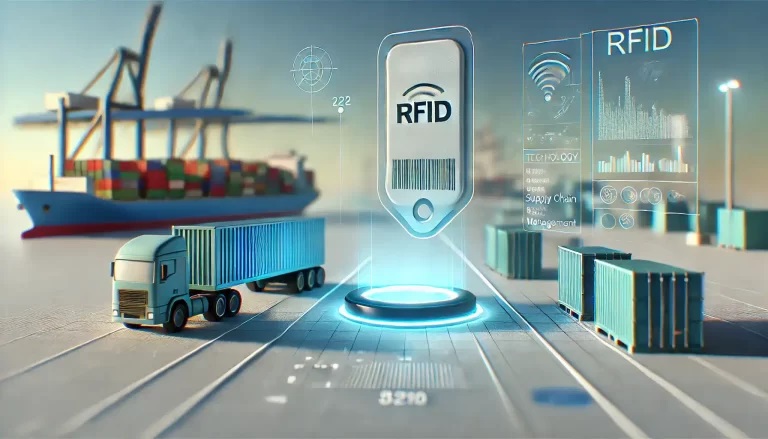
Development potential
Despite its recent boom, AI is still in its very early stages. Businesses haven't yet widely adopted this technology across various sectors. Most organizations are only just beginning to experiment and assess how AI can integrate into their business processes. However, in the future, AI seems certain to become an indispensable part of our lives, especially in the business world.
RFID is already familiar in industries such as manufacturing and logistics, so businesses are encouraged to integrate these two technologies. It's worth noting that AI will continue to develop strongly as a crucial technology. With the current rate of progress, we can certainly expect even more groundbreaking applications in the future.
Share:


