


The Difference Between Barcode Readers and RFID Readers
In this article, we will focus on the differences between barcode scanners and RFID scanners to better understand these two types of devices.
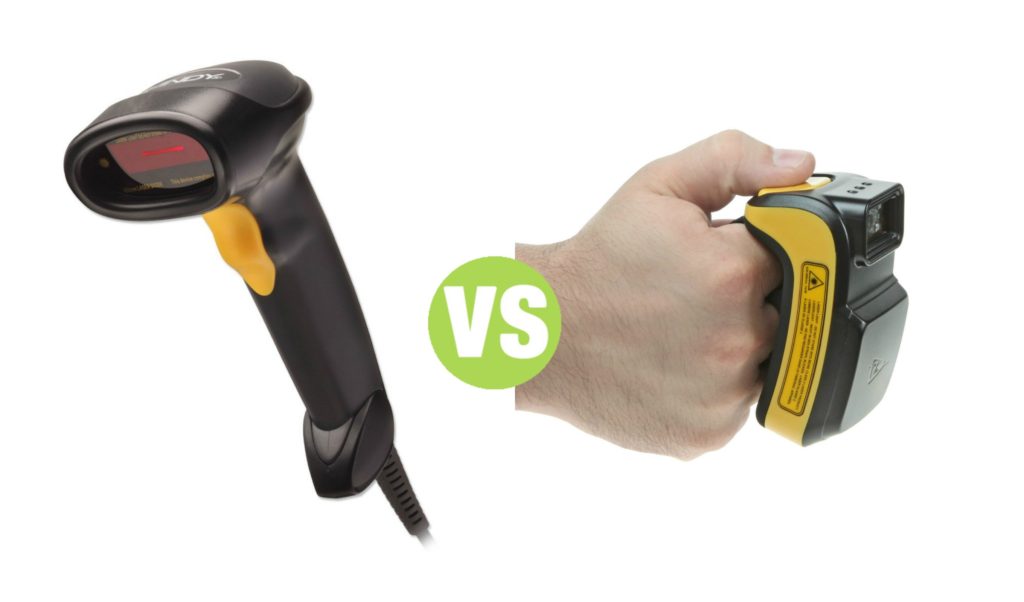
Barcode readers and RFID readers
In summary: The difference between a barcode reader and an RFID reader is that a barcode reader, also known as a barcode scanner, is an optical reader that uses a laser beam to read barcodes. RFID (Radio Frequency Identification), on the other hand, is a technology that uses radio signals to communicate with a tag placed in or attached to an object, animal, or person.
The difference between barcode readers and RFID readers.
Barcode reader
A barcode reader, also known as a barcode scanner, is an optical reader that uses a laser beam to read barcodes. A barcode is an identification code consisting of a set of vertical lines and spaces of varying widths or a two-dimensional pattern of dots, squares, and other images. Barcodes represent data that identifies the manufacturer and the item. A newer type of barcode, called a 2-D barcode, can store more data than traditional linear barcodes. Manufacturers print barcodes on product packaging or on labels affixed to products.
RFID reader
RFID (Radio Frequency Identification) is a technology that uses radio signals to communicate with a tag placed in or attached to an object, animal, or person. RFID tags, which contain a memory chip and antenna, come in many shapes and sizes. RFID readers read the information on the tag via radio waves. RFID readers can be handheld devices or mounted in a fixed object such as a door threshold.
Many retailers view RFID as an alternative to barcode identification because it doesn't require direct contact or on-site transmission. Each product in a store will contain a product identification tag. When a consumer takes a product off the shelf and moves through the checkout area, the RFID reader will read the tag(s) and communicate with a computer to calculate the amount due. Other applications of RFID include tracking marathon runner times; tracking the location of soldiers, employee lockers, airline baggage, and lost or stolen goods; checking elevator or skier tickets; inventory management; measuring tire temperature and pressure on vehicles; checking library books; and tracking payments as vehicles pass through toll booths.
Share:


