


The difference between PVC decal printing and PET decal printing.
PVC and PET decals are two popular types of decal printing today. Both types of decals have their own advantages and disadvantages, suitable for different purposes.
Differences in materials
Both PVC and PET decals are made from plastic, but they have different compositions and structures.
- PVC decals are made from polyvinyl chloride, a common thermoplastic. PVC decals are highly durable, waterproof, scratch-resistant, and can withstand high temperatures, making them suitable for use in many harsh environments.
- PET decals are made from polyethylene terephthalate, a high-strength, transparent, and lightweight thermoplastic. PET decals offer good transparency, water resistance, scratch resistance, and high temperature resistance, making them suitable for applications requiring high transparency.
Differences in thickness
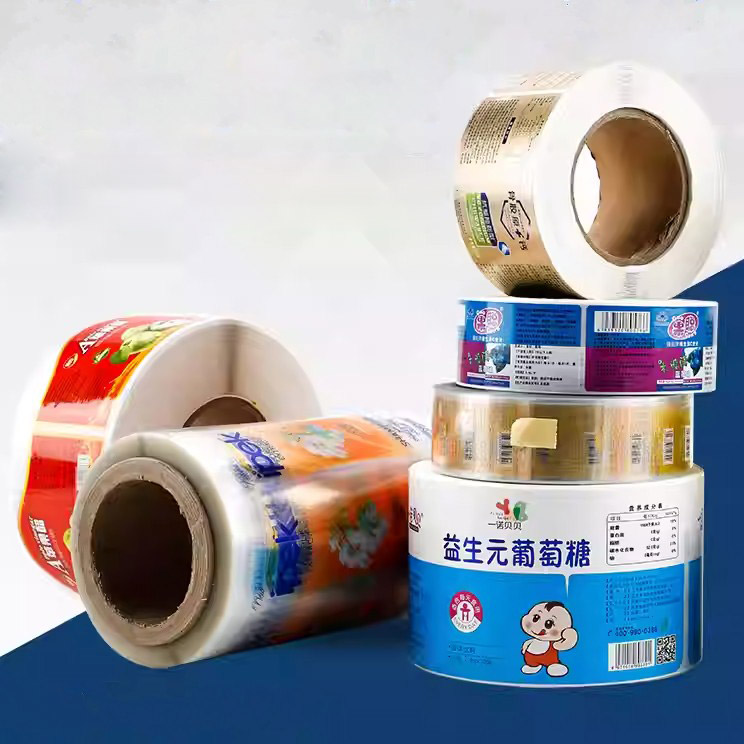
PVC and PET decals come in different thicknesses.
- PVC decals have a thickness ranging from 0.08 mm to 0.25 mm. The thicker the PVC decal, the higher its durability and strength.
- PET decals have a thickness ranging from 0.07 mm to 0.2 mm. The greater the thickness of the PET decal, the higher its durability and strength.
Price difference
PVC decals and PET decals have different price points.
- PVC decals are cheaper than PET decals.
Differences in application
PVC and PET decals have different applications.
- PVC plastic decals are commonly used in applications such as:
- Printing product labels and tags.
- Printing decals for cars and walls.
- Printing advertising and decorative decals.
- PET decals are commonly used in applications such as:
- Printing decals for glass and windows.
- Printing decals for electronic devices.
- Printing decals for household appliances.
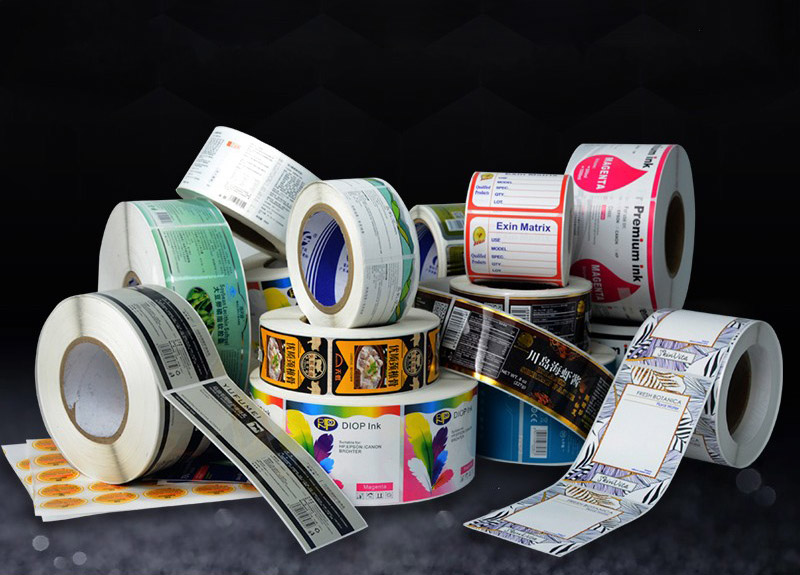
Choose the right type of decal.
When choosing the right type of decal, consider the following factors:
- Purpose of use: What are decals used for?
- Environmental conditions: In what environment will the decal be used?
- Financial capability: How much budget do you have for decal printing?
Based on these factors, you can choose the type of decal that best suits your needs.
What is PET plastic decal printing?
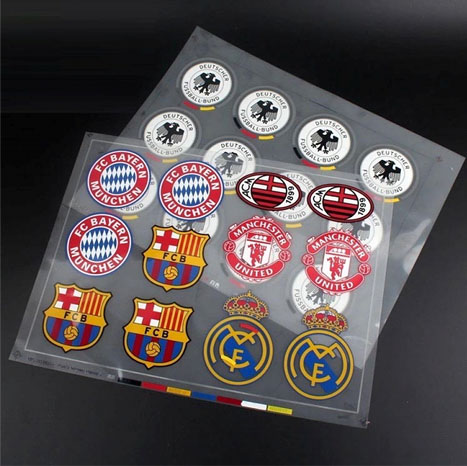
PET plastic decal printing is the process of printing content onto PET plastic material. PET plastic decals are made from polyethylene terephthalate (polyethylene terephthalate), a type of thermoplastic that is highly durable, transparent, and lightweight. PET decals have good transparency, are water-resistant, scratch-resistant, and can withstand high temperatures, making them suitable for applications requiring high transparency.
The PET plastic decal printing process includes the following steps:
- Prepare the print file.
The design file for PET plastic decals needs to be in vector format to ensure sharp, clear, and non-distorted image quality.
- Cutting PET decal sheets
PET decal sheets will be cut into sizes and shapes to meet customer requirements.
- Printing content onto PET decals.
PET decals will be printed with customer-specified content using specialized inks.
- PET decal cutting
PET decals will be die-cut to the desired shape.
- Printing a protective coating onto PET decals.
PET decals will be printed with a protective coating to enhance durability and environmental resistance.
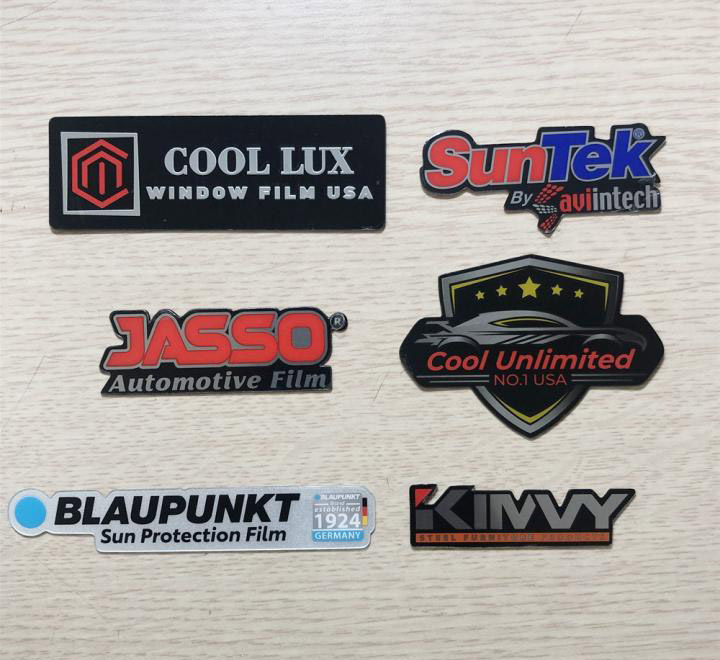
PET plastic decals offer many advantages, such as:
- Highly durable, waterproof, scratch-resistant, and able to withstand high temperatures.
- Good transparency, suitable for use in applications requiring high transparency.
- The colors are sharp and vibrant.
- Easy to install and apply.
PET plastic decals are widely used in various fields such as:
- Printing product and merchandise labels.
- Printing decals for glass and windows.
- Printing decals for electronic devices.
- Printing decals for household appliances.
- Printing advertising and decorative decals.
PVC plastic decal printing
PVC decal printing is the process of printing content onto PVC plastic material. PVC decals are made from polyvinyl chloride (polyvinyl chloride), a common thermoplastic. PVC decals are highly durable, waterproof, scratch-resistant, and can withstand high temperatures, making them suitable for use in many harsh environments.
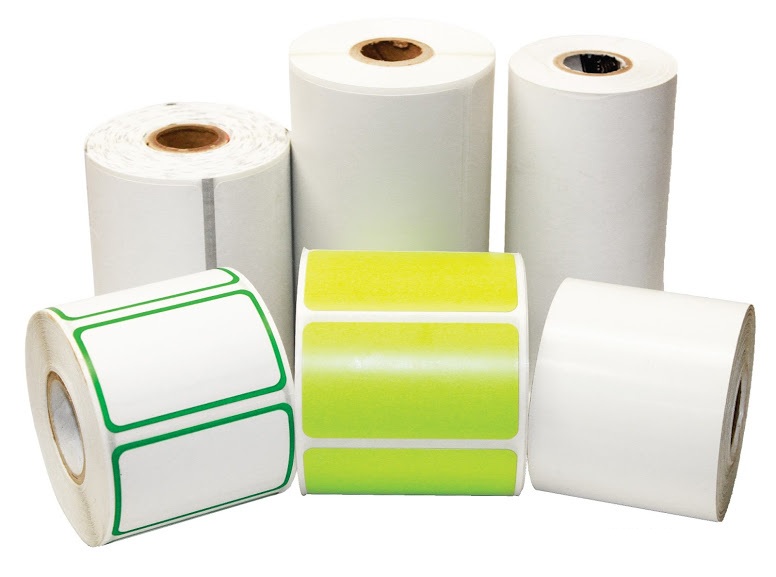
The PVC decal printing process includes the following steps:
- Prepare the print file.
The design file for PVC plastic decals needs to be in vector format to ensure sharp, clear, and non-distorted image quality.
- Cutting PVC decal sheets
The PVC decal sheets will be cut to the sizes and shapes that meet the customer's requirements.
- Printing content onto PVC decals.
PVC decals will be printed with customer-specified content using specialized inks.
- PVC decal cutting
PVC decals will be die-cut to the desired shape.
- Printing a protective coating onto PVC decals.
PVC decals will be printed with a protective coating to enhance durability and resistance to environmental factors.
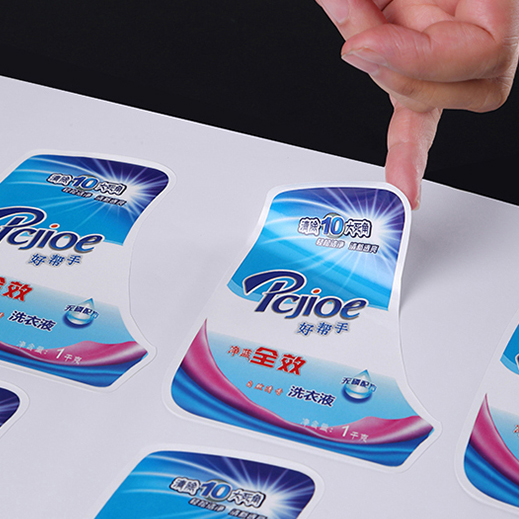
PVC plastic decals offer many advantages, such as:
- Highly durable, waterproof, scratch-resistant, and able to withstand high temperatures.
- The colors are sharp and vibrant.
- Easy to install and apply.
PVC plastic decals are widely used in various fields such as:
- Printing product and merchandise labels.
- Printing decals for cars and walls.
- Printing advertising and decorative decals.
Share:


