


The importance of color in label and sticker design.
Color plays a crucial role in print design, influencing many aspects of the product and directly impacting the viewer's perception. Here are some of the main reasons:
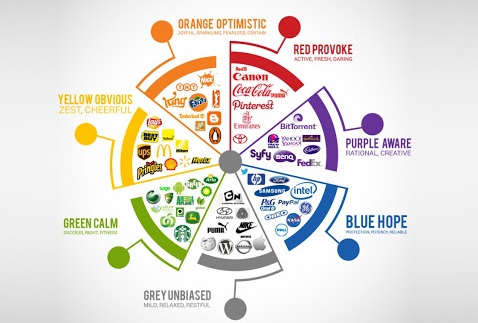
Color is a crucial element in label and sticker design.
1. Attract attention:
- Bright, vibrant colors can instantly capture the viewer's attention, helping your printed product stand out from the crowd.
- For example, Coca-Cola's red logo is easily recognizable among countless other brands.
2. Conveying the message:
- Each color carries its own meaning, conveying the message and emotion that the designer wants to communicate.
- For example, the color blue often symbolizes reliability and safety, and is used for financial or healthcare brands.
3. Make an impression and be memorable:
- Using color effectively can create a strong impression and help viewers remember your printed product for longer.
- For example, product packaging that uses eye-catching and unique colors can make it easier for consumers to remember the brand.
4. Evoke emotions:
- Color can evoke emotions and create the desired atmosphere for a printed product.
- For example, yellow often evokes feelings of warmth and cheerfulness, and is used in products for children.
5. Brand positioning:
- Choosing the right colors can help position a brand and create a unique image for the business.
- For example, Starbucks' green color is associated with nature and environmental friendliness.
In addition, colors can also:
- Create harmony and balance in the design.
- Highlight the important details.
- To guide the viewer along a specific flow of information.
Note:
- The use of color needs to be carefully considered to avoid visual clutter and negatively impacting the effectiveness of the message.
- Choose colors that are appropriate for your target audience, culture, and the message you want to convey.
Conclude:
Color is a powerful tool in print design, contributing to the success of a product. Effective use of color helps attract attention, convey messages, create impressions, and effectively position a brand.

Use color in print design according to principles.
To use color effectively in print design, the following basic principles should be followed:
1. Understanding the meaning of colors:
- Each color carries its own meaning, conveying different messages and emotions.
- For example:
- Red: Energy, passion, danger.
- Blue: Trust, safety, peace.
- Yellow: Cheerful, optimistic, creative.
- Understanding the meaning of each color will help you choose the right colors for your design purposes.
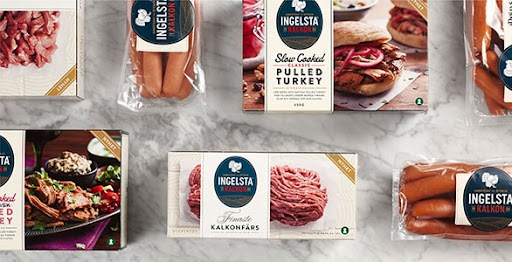
2. Use a color wheel:
- The color wheel is a useful tool to help you combine colors effectively.
- On the color wheel, colors are arranged according to their interrelationships:
- Matching colors: Positioned next to each other on the wheel, creating a harmonious and pleasant feeling.
- Contrasting colors: Positioned opposite each other on the wheel, creating a strong contrast that draws attention.
- Complementary colors: Located three colors apart on the color wheel, they create high contrast, resulting in a striking effect.
- Using a color wheel will help you choose colors that complement each other beautifully and harmoniously.
3. Choosing a color palette:
- A color palette is a collection of colors used in a design.
- It's best to use a limited color palette, with a maximum of 5 colors, to create harmony and avoid visual clutter.
- Choose a color palette that aligns with the message, target audience, and design style.
4. Consider the brightness level:
- The brightness and darkness of colors affect the effectiveness of conveying information and emotions.
- Bright colors should be used for important details that you want to draw attention to.
- Use dark colors to create a sense of luxury, mystery, or as a backdrop for other details.
5. Check color effectiveness:
- Colors may vary depending on the printing material, ambient lighting, and display device.
- It's advisable to print a test sample to check the color accuracy before mass production.
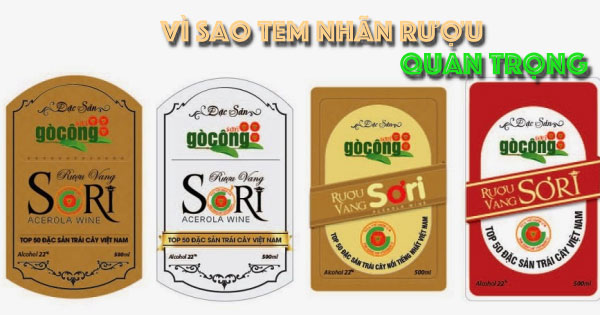
In addition, please note:
- Use colors that are appropriate to the culture and customs of your target audience.
- Avoid using too many colors, as this can be visually distracting and detract from the effectiveness of the message.
- Combine colors with other design elements such as images, layout, and typography to create a complete product.
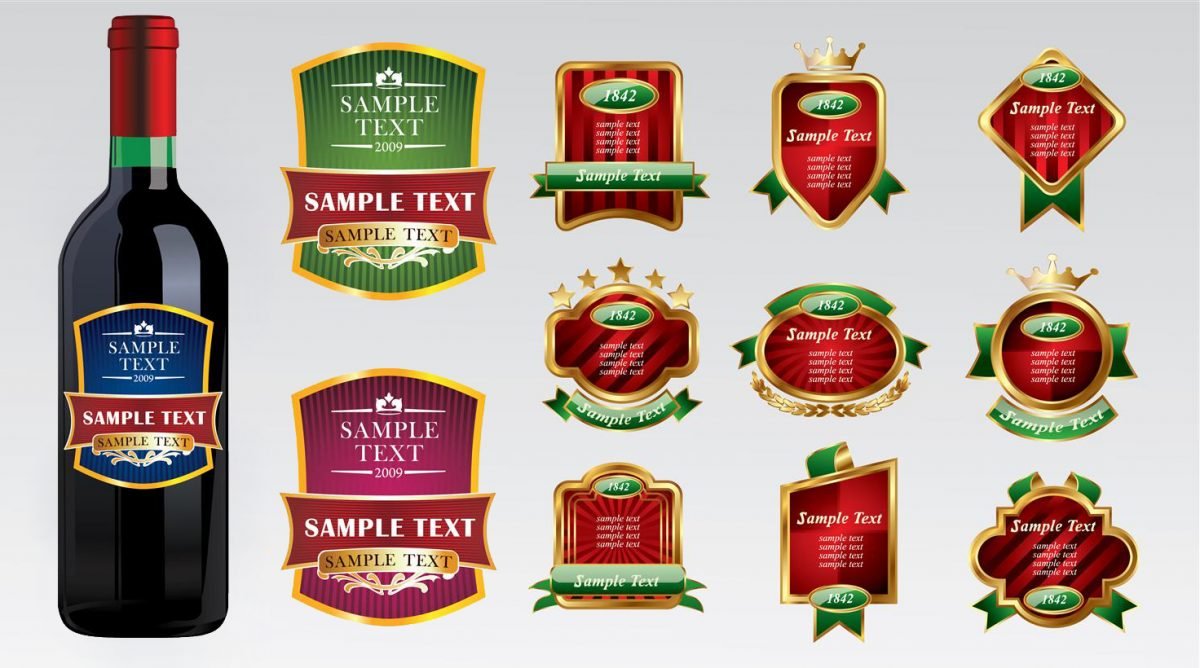
Adhering to these principles will help you use color effectively in print design, creating attractive products, conveying a clear message, and successfully positioning your brand.
Share:


