


The importance of "Filling" the finished product in printing.
What is die-cutting in printing?
Die-cutting is a crucial step in the printing process, used to shape, remove excess paper, and complete the product according to the desired form.
There are two main types of die-cut finished products:
- Die cutting: Using a fixed die to stamp the product. This type of die cutting is suitable for products in large quantities and with simple shapes.
- Laser die-cutting: Uses a laser beam to cut the product along the designed contours. This type of die-cutting is suitable for products with complex shapes and in small quantities.
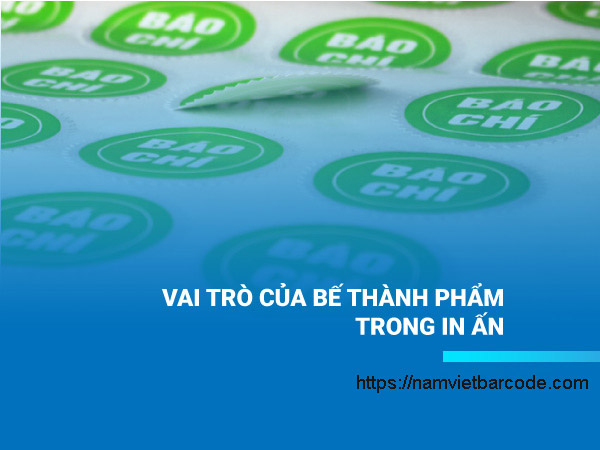
Advantages of die-cutting finished products:
- The product design is beautiful and sophisticated.
- Enhance the aesthetic appeal of the product.
- Increased accuracy and reduced errors compared to manual cutting.
- Saves time and effort.
Applications of die-cutting:
- Paper box printing: food packaging boxes, cosmetic boxes, gift boxes, etc.
- Label printing: product labels, warranty labels, etc.
- Printing flyers and brochures: advertising flyers, product brochures, etc.
- Calendar printing: wall calendars, desk calendars, etc.
- Poster printing: advertising posters, promotional posters, etc.
Notes on handling the finished product:
- The paper quality must be suitable for the die-cutting technique.
- The die design must be precise.
- The die-cutting machine must be properly maintained and operated.
Die-cutting is a crucial step in the printing process, helping to create visually appealing, sharp, and aesthetically pleasing products.
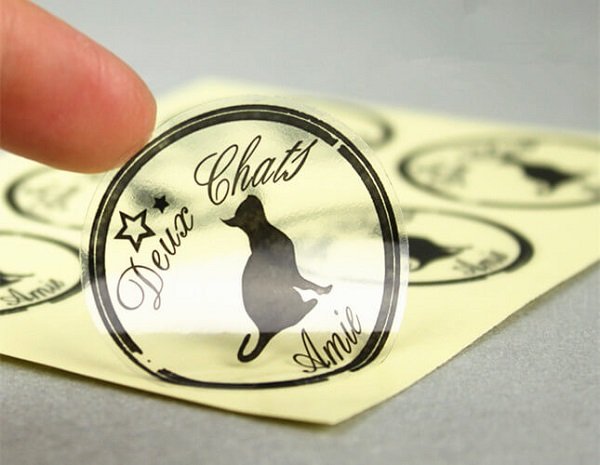
Die-cutting process in printing
The die-cutting process in printing includes the following steps:
1. Die-cutting mold design:
- Die-cutting molds are designed based on product blueprints, including cutting lines, folds, curves, etc.
- Die-cutting molds can be designed manually or using specialized software.
- The materials commonly used for die-cutting molds are steel, wood, mica, etc.
2. Die-cutting mold fabrication:
- Die-cutting molds are made from materials such as steel, wood, mica, etc., according to a pre-programmed design.
- The die-cutting process can be done manually or using CNC machines.
- The accuracy of the die-cutting mold directly affects the quality of the finished product.
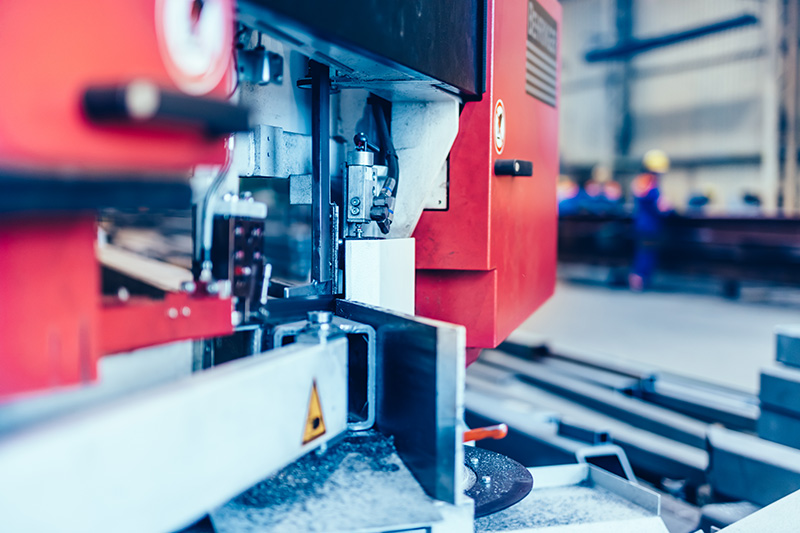
3. Final product packaging:
- After printing, the product is fed into a die-cutting machine to be pressed according to the mold, removing excess paper and shaping it into the desired form.
- There are two main types of die-cutting machines: die-cutting machines and laser die-cutting machines.
- Die-cutting machines use fixed die-cutting molds to stamp products. This type of die-cutting is suitable for products produced in large quantities with simple shapes.
- Laser die-cutting machines use a laser beam to cut products along a pre-designed contour. This type of die-cutting is suitable for products with complex shapes and in small quantities.
4. Quality control:
- After being cut, the products will undergo quality control to ensure there are no defects such as: uneven cuts, damaged edges, etc.
- Products that meet quality standards will be packaged and shipped to customers.
Share:


