


The importance of gloss and matte lamination in label production.
What is lamination for labels?
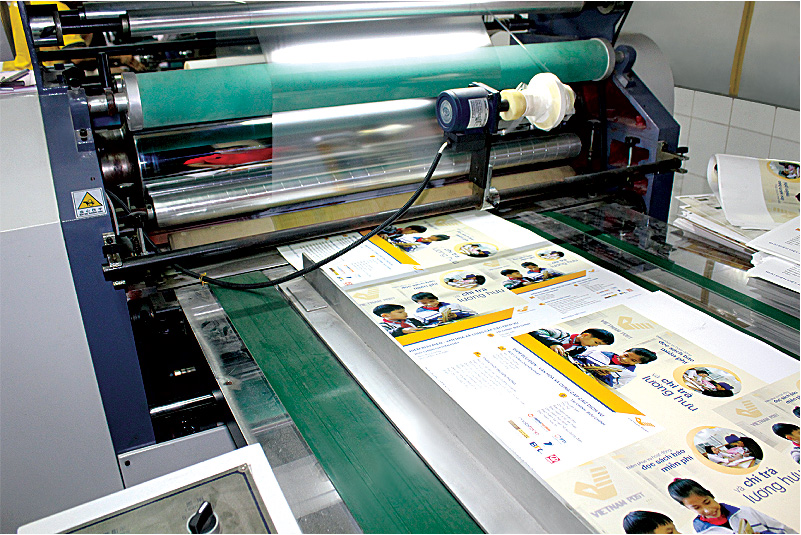
Lamination is a technique of applying a thin layer of polymer film to the surface of labels for the following purposes:
- Protect your labels: Prevent scratches, fading, and tearing caused by environmental factors.
- Enhanced aesthetics: Makes labels look glossy, elegant, and eye-catching.
- Increased durability: Helps labels last longer in harsh conditions.
How many types of lamination are there for labels?
There are two common types of lamination for labels:
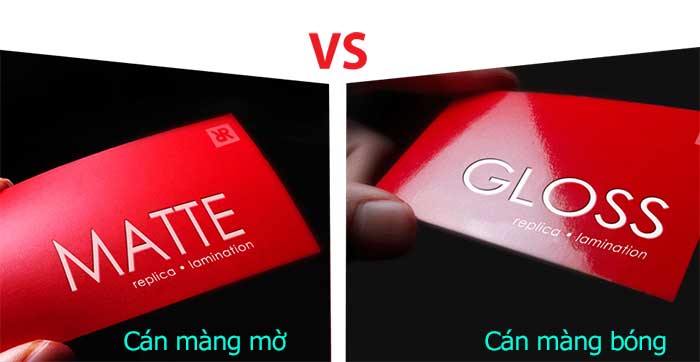
- Glossy lamination: Creates a bright, eye-catching finish for labels. Prints vibrant and vivid colors. Easy to clean and maintain. Water and dirt resistant.
- Matte lamination: Creates a luxurious and sophisticated feel. The surface is smooth and pleasant to the touch. It resists fingerprints and scratches. Printed information is easy to read on any background color.
Which type of lamination is suitable?
Choosing the right type of lamination depends on several factors, such as:
- Types of labels: Paper labels, decal labels, plastic labels, etc.
- Intended use: Warranty stickers, decorative stickers, supplementary stickers, etc.
- Label design: Colors, layout, images, etc.
- Budget: Glossy lamination is generally cheaper than matte lamination.
Some things to keep in mind when laminating labels:
- The type of film should be chosen to match the label material.
- Choose a reputable printing facility to ensure quality lamination.
- Carefully check the labels after lamination to ensure there are no errors.
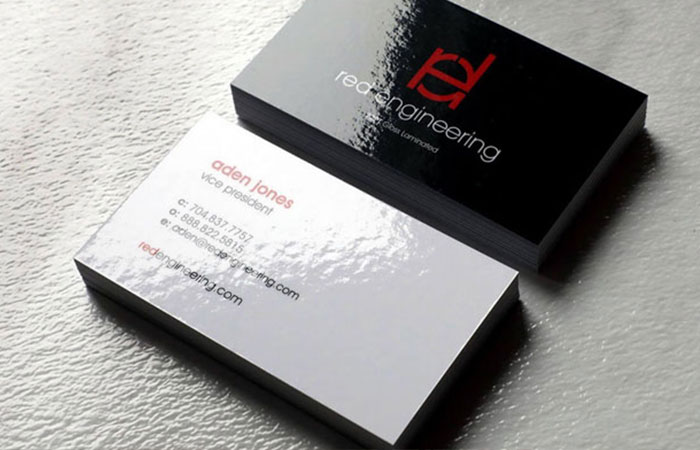
Glossy lamination:
- Advantage:
- Creates a glossy, eye-catching finish for labels.
- The printed colors are bright and vibrant.
- Easy to wipe clean and maintain.
- Waterproof and dustproof.
- Disadvantages:
- The surface is easily scratched.
- It causes glare when viewed directly.
- Information is difficult to read when printed on a dark background.
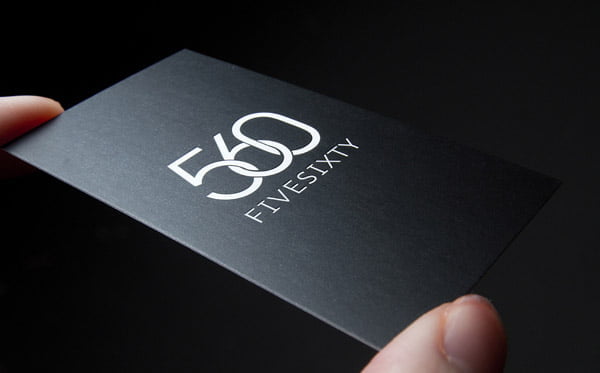
Matte lamination:
- Advantage:
- It creates a luxurious and sophisticated feel.
- The surface is smooth and feels very nice to the touch.
- Anti-fingerprint and scratch-resistant.
- The printed information is easy to read on any background color.
- Disadvantages:
- The colors in printed versions are not as vibrant as those with a glossy lamination.
- More difficult to clean compared to a glossy finish.
Choose the right type of film:
- Glossy lamination: Suitable for products that need to stand out and attract attention, such as labels for food, beverages, cosmetics, etc.
- Matte lamination: Suitable for products requiring a luxurious and sophisticated look, such as wine labels, jewelry, and electronic devices.
In addition, there are other types of films such as metallic films , ribbed films , holographic films , etc., each with its own advantages and disadvantages. The choice of which type of film to use depends on the specific needs of each product.
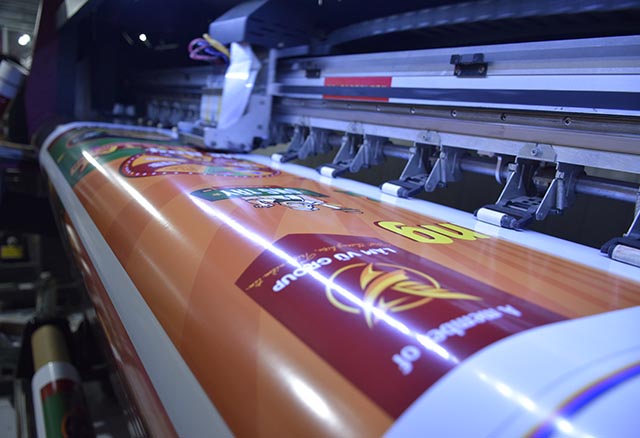
Note:
- The quality of labels after lamination depends on many factors such as paper material, ink, lamination technique, etc.
- The type of film should be chosen to suit the intended use and design of the label.
- Choose a reputable printing company to ensure product quality.
In summary, lamination is an important technique in label production. Choosing the right type of film will help improve the aesthetics, durability, and protection of the product.
Share:


