


The importance of labels in enhancing advertising and marketing performance.
Labels , though small, play an extremely important role in product promotion and marketing. More than just a simple tag, labels are an effective communication tool, helping businesses create a strong impression on customers and enhance brand recognition.
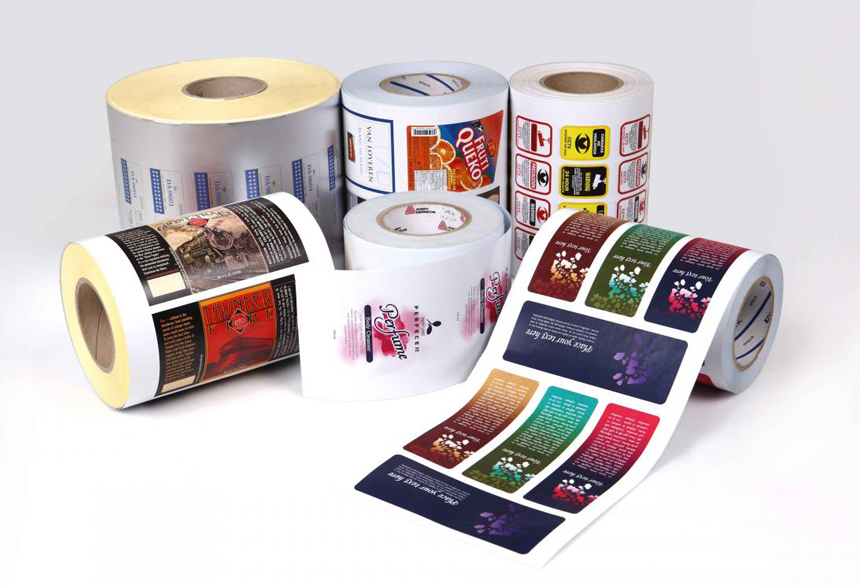
Why are labels important in marketing?
Building brand identity:
- Logo and colors: Labels clearly display the brand's logo and distinctive color palette, making it easy for customers to recognize and remember the brand.
- Design style: A consistent and impressive label design will make a difference, helping your product stand out among thousands of other products on the market.
Product information delivery:
- Ingredients and uses: Product labels provide complete information about the product, such as ingredients, uses, instructions for use, and expiration date, helping customers make informed purchasing decisions.
- Legal information: Labels must comply with labeling regulations, ensuring transparency and protecting consumer rights.
Build trust with customers:
- Product quality: A professionally designed label with clear and accurate information will build customer trust in the product's quality.
- Origin and source: Labels help customers clearly identify the origin and source of a product, preventing them from buying counterfeit or fake goods.
Stimulate demand for purchases:
- Attractive design: A beautiful, creative label will attract customers' attention, creating a desire to explore the product.
- Marketing message: Labels can contain concise marketing messages that convey the core values of the product to customers.
Market competition:
- Product differentiation: Labels are an effective tool to help your product stand out from the competition.
- Increase your competitive advantage: An impressive label will help your product be a preferred choice for customers.
In summary, labels are not just a part of product packaging, but also an incredibly effective marketing tool. A well-designed label helps build brand awareness, convey information, create customer trust, and increase sales.

Ways to improve advertising and marketing performance through labels:
Impressive design:
-
- Color: Choose colors that align with the brand and evoke emotions in customers.
- Images: Use high-quality, clear, and engaging images.
- Font: Choose a font that is easy to read and appropriate for the content and brand.
- Layout arrangement: Balance the elements on the label to create a harmonious design.
The information is clear and concise:
-
- Product name: Prominent and easy to read.
- Ingredients: List them completely and accurately.
- Instructions for use: Clear and easy to understand.
- Manufacturing date and expiration date: Ensure the information is accurate.
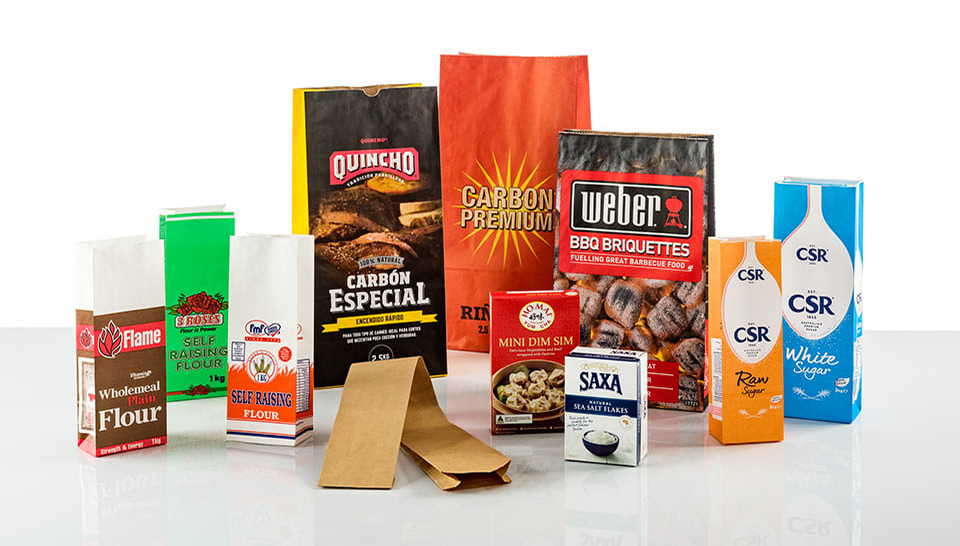
Integrate interactive elements:
-
- QR Code: Directs customers to your website, product videos, or promotional offers.
- Scratch-off labels: Create curiosity and encourage customers to participate in activities.
- Warranty stickers: Enhance customer trust.
Use appropriate materials:
-
- Paper: Diverse in quality and price, suitable for many types of products.
- Plastic: Durable, waterproof, suitable for products requiring long-term storage.
- Metal: Elegant, creating a high-end feel.
Diversify sizes and shapes:
-
- Size: Varies depending on the product's surface area.
- Shape: Unique and striking, helping the product stand out.

Here are some examples of effective label usage:
- Smart labels: Integrate NFC technology to provide detailed product information when customers scan them with their phones.
- Interactive labels: Allow customers to participate in games and receive gifts via a mobile application.
- Security labels: Combat counterfeiting and imitation products, protect brands.
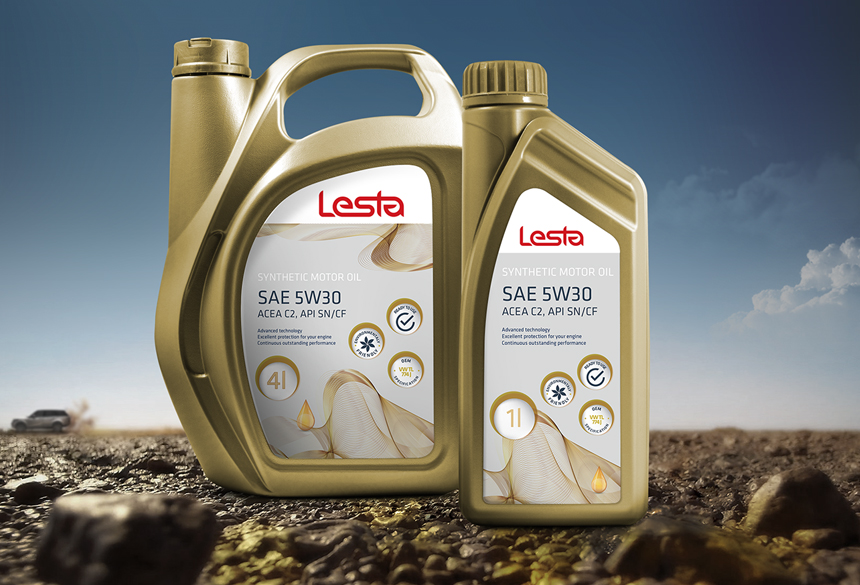
Conclude:
Labels are an incredibly effective and versatile marketing tool. By designing and using labels creatively, businesses can enhance brand recognition, increase customer engagement, and boost sales.
Share:


