


The meaning and practical application of color in label design.
Color plays a crucial role in design, directly impacting the emotions, behavior, and decisions of viewers. The judicious use of color can effectively convey messages, attract attention, create a lasting impression, and reinforce brand identity.
The meaning of colors in label design
-
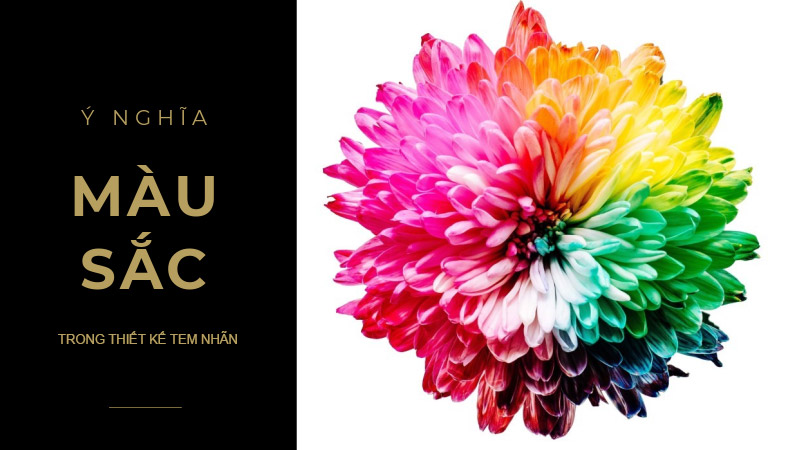
The meaning of each color:
- Red: symbolizes passion, enthusiasm, love, anger, danger, and blood.
- Orange: represents dynamism, creativity, youthfulness, enthusiasm, and passion.
- Yellow: represents joy, optimism, hope, wealth, and wisdom.
- Green: symbolizes nature, growth, health, harmony, and peace.
- Blue: symbolizes trust, safety, calmness, intelligence, and professionalism.
- Purple: represents elegance, nobility, romance, mystery, and creativity.
- Pink: represents love, romance, femininity, sweetness, and gentleness.
- Black: symbolizes power, elegance, mystery, uniqueness, and professionalism.
- White: represents purity, elegance, simplicity, perfection, and sophistication.
- Gray: represents neutrality, modernity, intelligence, sophistication, and stability.
-
How to apply color in design:
- Define your color usage goals: Clearly define the objectives you want to achieve when using color in your design. What message do you want to convey? Whose attention do you want to attract? What impression do you want to create?
- Choosing the right color palette: Select a color palette that suits your brand, product, or service. The palette should include 2-3 primary colors and 1-2 secondary colors.
- Use contrasting colors: Use contrasting colors to create emphasis and attract attention. However, it is important to use contrasting colors appropriately to avoid causing discomfort to the viewer.
- Pay attention to color psychology: Understand the meaning and psychological impact of each color to use them effectively.
- Harmonious color combinations: Use color matching principles to combine colors in a harmonious and balanced way.
- Color testing across multiple devices: Test the colors on various devices to ensure accurate color reproduction.
-
Here are some examples of how color is applied in practice:
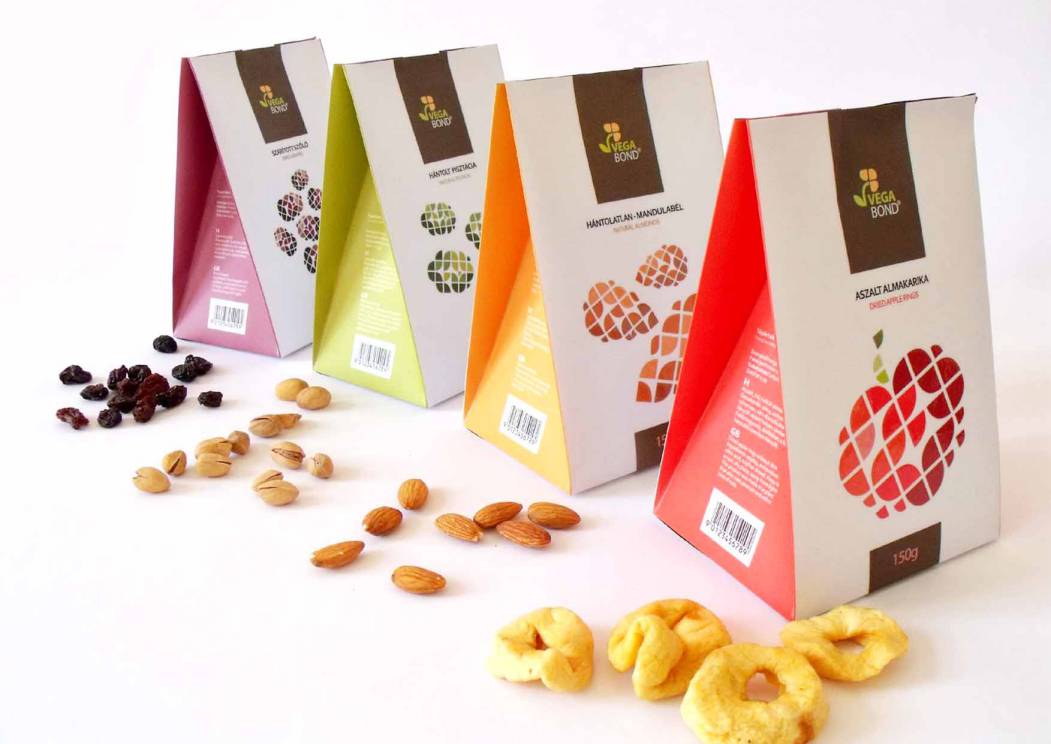
- Use color to convey a message: For example, a food company might use red and yellow to convey a message of deliciousness and appeal.
- Use color to attract attention: For example, a website might use a red call-to-action button to grab the user's attention.
- Use color to create an impression: For example, a fashion brand might use black and white to create an impression of luxury and sophistication.
- Using color to express personality: For example, a designer might use their favorite color to express their individuality and style.
Conclude:
Color is a powerful tool in design. The right use of color can help you effectively convey your message, attract attention, create a lasting impression, and establish your brand. Take the time to learn about the meaning and usage of colors to create impressive and engaging designs.
Applying the meaning of colors in label design.
Color plays a crucial role in label design, as it can directly influence customers' purchasing decisions. The judicious use of color can effectively convey a message, attract attention, create a lasting impression, and reinforce brand identity.
Here are some examples of applying color symbolism in label design:
-
Conveying information about the product:
- Color can be used to convey information about the flavor, aroma, or ingredients of a product. For example, chocolate product labels often use brown and black to represent the chocolate flavor, while fruit product labels often use bright colors like red, yellow, or green to represent the fruity flavor.
- Color can also be used to convey information about the product's origin. For example, product labels from Vietnam often use red and yellow, while product labels from Japan typically use white and red.
-
Attracting customer attention:
- Contrasting colors can be used to attract customer attention. For example, a product label with a white background and black text will stand out more than a label with a background and text of the same color.
- Bright colors can also be used to attract customers' attention. However, it is important to use bright colors appropriately to avoid causing discomfort to the viewer.
-
Create a brand impression:
- The colors used in product labels should be consistent with the company's brand identity. For example, if the brand's primary color is red, then the product labels should also use red as the primary color.
- Color can also be used to express a brand's personality and style. For example, a youthful and energetic brand might use bright and vibrant colors, while a luxurious and sophisticated brand might use muted and subtle colors.

-
Product differentiation:
- Colors can be used to differentiate different products within the same brand. For example, a soft drink brand might use red for the label of its cola-flavored product, orange for the label of its orange-flavored product, and green for the label of its lemon-flavored product.
- Color can also be used to differentiate products from different brands. For example, Coca-Cola product labels typically use red, while Pepsi product labels typically use blue.
Conclude:
Color is a crucial tool in label design. The right use of color can create visually appealing, impressive, and attractive labels, ultimately boosting sales for your business. Take the time to learn about the meaning and usage of color to enhance the effectiveness of your label design.
Share:


