


The printing material commonly used for printing decals.
People often see decals everywhere, on book covers, on phones, on food containers, etc. Most of them are made of paper. However, decal paper is prone to peeling and the ink color is weak. Therefore, decals are printed not only on paper but also to overcome the shortcomings of paper.
Paper material
Handmade paper is commonly used for printing labels, product images, stickers, children's stickers, wallpaper, etc. Depending on requirements, a glossy or matte film can be added to protect the ink and prevent water damage.
Uncoated paper
This type of paper has a rough surface; when touched, it feels smooth and non-glossy, ink adheres well, and it can be written on with a pen. The shape of the image on the paper varies depending on the type of paper.
Therefore, compared to coated paper, printing on white paper is less common and less frequently used for color printing. Kraft paper is the only uncoated paper commonly used for color printing.
Kraft paper is a type of paper used to make cement bags. It is made from chemical pulp that has been treated with a sulfation process. This type of paper has a sharp, rough, and flexible surface, and comes in two main colors: brown and yellow.
Kraft paper is commonly used for labeling natural products and paper packaging: natural cosmetics, dried nuts, candies in glass jars, paper bags, paper cups, etc.
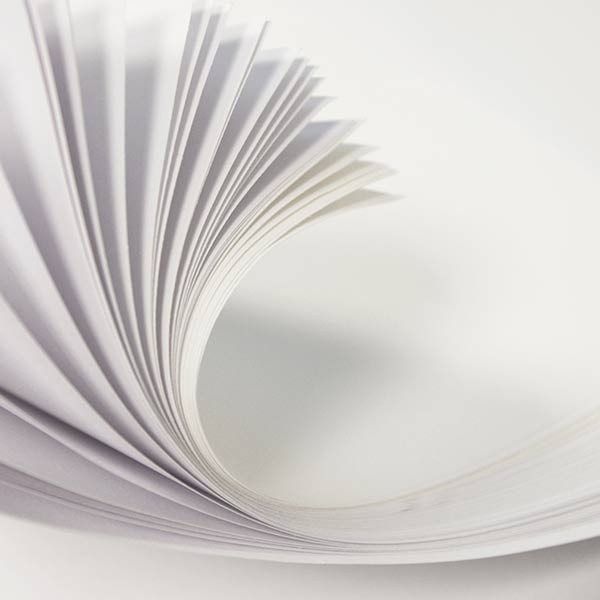
High-quality uncoated paper
Surface-coated paper
The paper is coated with an additive (usually kaolin mixed with rosin). This coating fills the voids on the paper's surface. It softens the paper, improving opacity and color depth.
This type of paper produces beautiful, bright prints, so it is mainly used for printing decals and cards. The most common coated paper used in label printing is couche, also known as Coated Art Paper. It is white paper with a kaolin coating on a flat and smooth surface. The paper has good gloss and brightness, and it absorbs ink evenly and retains ink well.
Many products can be printed on paper, in various colors: colors for colors, food labels, colors for furniture, clothing, shoes, and much more.
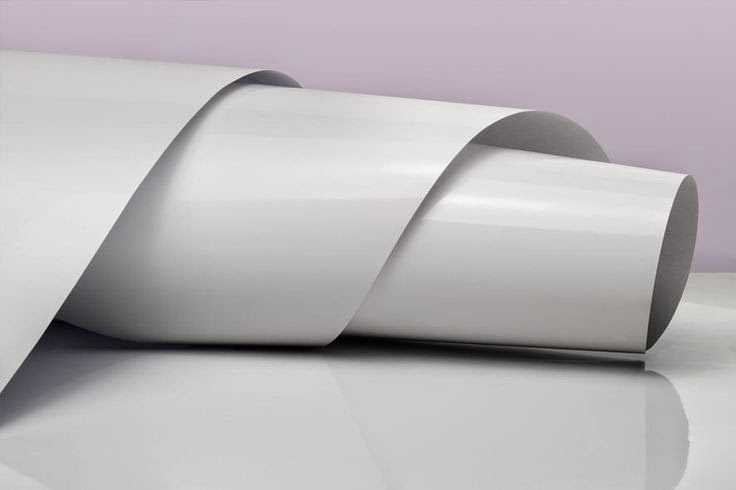
Plastic items
Flexible labels are made from durable, high-quality materials that adhere firmly even when moved. Plastic decal labels are commonly used for labeling and packaging materials, although they can be used and moved to create surprisingly distinctive designs. Additionally, the labels are fixed in shape, size, and color.
PP plastic products
PP plastic is a short form of Polypropylene, and it's the most commonly used type of decal printing material (after paper). These plastic labels are 0.076 mm thick, white, and have a strong adhesive backing. Additionally, labels made from this material can withstand temperatures up to 80°C.
Polyester plastic material
Polyester material is also known as PE plastic. Like PP plastic, labels made from this material are very strong, 0.076 mm thick, white in color, and have a strong adhesive backing. The difference with polyester plastic is its ability to dissipate heat as desired, up to 132°C.
Therefore, inks made with this material will have an attractive appearance and will be very colorfast. In particular, polyester inks can withstand chemicals from oils and other solvents.
Vinyl material is fragile.
The quality of labels printed on this material is very brittle, very sticky, and transparent white. Therefore, when the printed decal is sieved, it will break into many smaller pieces. For this reason, vinyl is often used for printing security barcodes because it is less prone to fragmentation and separation.
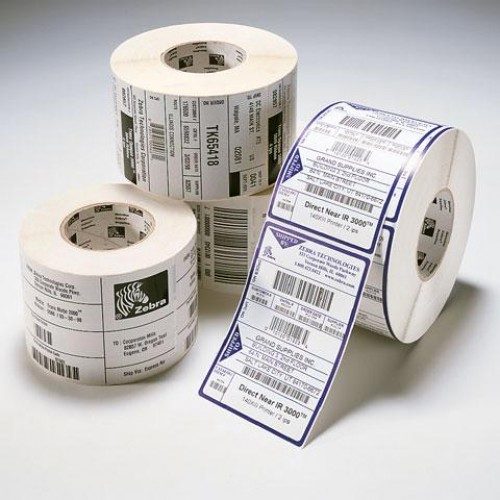
Silver-plated material
Silver foil decal paper, also known as silver-coated decal paper or silver aluminum decal paper, is unlike regular paper. Because of its metallic sheen, the silver foil used for labeling is coated with a layer of silver for a glossy finish. It is more durable and usually more expensive than regular barcode printing paper.
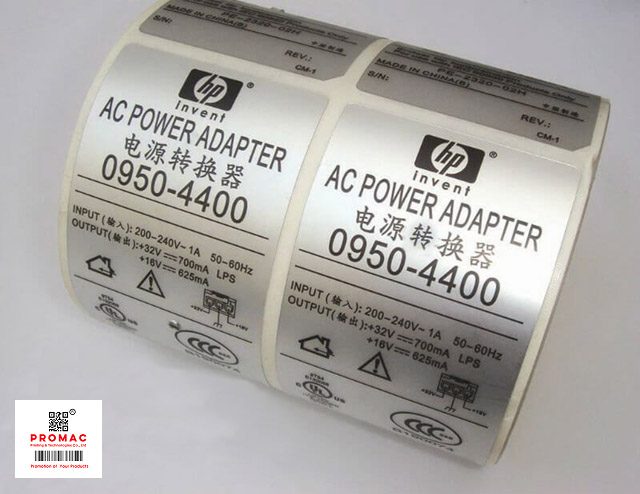
Silver foil is hard, non-abrasive, waterproof, scratch-resistant, highly durable, withstands harsh weather conditions, and is less prone to damage during use.
For more details about our products and services!
Please call the hotline or click the register button.


Share:


