


The role of agricultural product traceability labels
The role of traceability labels for agricultural products:
Traceability labels for agricultural products play a crucial role in ensuring food quality and safety, and protecting consumer rights. Here are some of their specific roles:
For consumers:
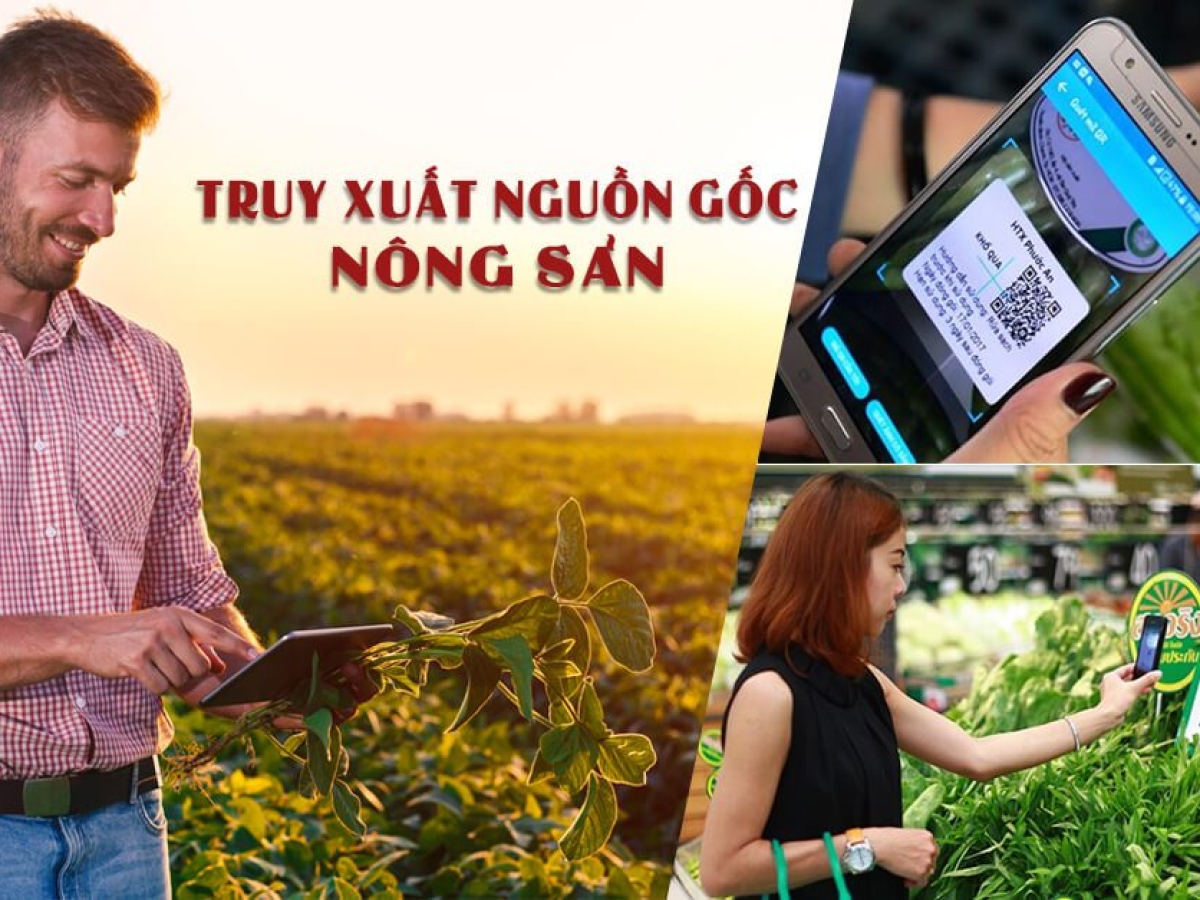
- Enhancing confidence in product quality: Traceability labels allow consumers to access detailed information about products such as origin, production process, harvesting, storage, distribution, etc., thereby enabling them to make more informed and confident purchasing choices.
- Health protection: Traceability labels help consumers easily identify and avoid buying counterfeit, fake, substandard, or products of unknown origin, ensuring health safety.
- Contributing to environmental protection: Traceability labels help to trace the origin of products, thereby enabling the handling of food safety violations and effectively protecting the environment.
For businesses:
- Enhancing brand reputation: Implementing traceability labels demonstrates a company's commitment to product quality and safety, thereby enhancing brand reputation and building customer trust.
- Increased competitiveness: In an increasingly competitive market, implementing traceability labels helps businesses assert their market position and attract customers more effectively.
- Effective product quality management: Traceability labels help businesses easily trace the origin of products throughout the supply chain, thereby enabling more effective product quality management.
- Risk reduction: Traceability labels help businesses quickly trace and recall products when quality issues arise, thereby minimizing risks and losses.
For the government:
- Effective market management: Traceability labels help state management agencies easily trace the origin of products, thereby enabling more effective market management and ensuring food safety.
- and protect consumer health.
- Supporting agricultural exports: Traceability labels help improve the quality and reputation of Vietnamese agricultural products in the international market, thereby supporting more effective agricultural exports.
Overall, agricultural product traceability labels play a crucial role in ensuring food quality and safety, protecting consumer rights, and contributing to the sustainable development of the agricultural sector.
In addition, traceability labels can offer several other benefits such as:
- Helping consumers compare product prices: Consumers can use the information on the traceability label to compare the prices of the same product from different suppliers, thereby making more economical purchasing choices.
- Helping businesses promote their brand: Businesses can use traceability labels to promote their brand and products to consumers more effectively.
The application of traceability labels for agricultural products is receiving increasing attention and is being actively promoted in Vietnam. This is a practical solution that contributes to improving food quality and safety, protecting consumer rights, and promoting sustainable agricultural development.

Standards for the production of clean food and agricultural products.
Currently, there are many different standards for the production of clean food and agricultural products, applied in various countries and regions. Some common standards include:
International standards:
- GlobalGAP (Good Agricultural Practices): A global standard for Good Agricultural Practices issued by the GlobalGAP organization, applicable to the production of fresh food worldwide. The GlobalGAP standard focuses on factors such as food safety, rational use of pesticides, environmental protection, and working conditions.
- EU Organic Farming: The European Organic Farming Standard, issued by the European Commission, applies to the production of organic food in EU member states. The EU Organic Farming Standard prohibits the use of synthetic chemicals, pesticides, and chemical fertilizers in food production.
- USDA Organic: The US Organic Farming Standard, issued by the United States Department of Agriculture (USDA), applies to the production of organic food in the United States. The USDA Organic Standard is similar to the EU Organic Farming Standard, but has some different requirements.
National standards:
- VietGAP (Vietnamese Good Agricultural Practices): The Vietnamese Good Agricultural Practices standard is issued by the Ministry of Agriculture and Rural Development of Vietnam and applies to the production of fresh food in Vietnam. The VietGAP standard is similar to the GlobalGAP standard, but includes some requirements adapted to the specific conditions of Vietnam.
- JAS (Japanese Agricultural Standards): Japanese agricultural standards issued by the Japanese Ministry of Agriculture, Forestry and Fisheries, applicable to food production in Japan. JAS standards have several stringent requirements regarding food quality and safety.
In addition, there are many other standards for the production of clean food and agricultural products issued by non-governmental organizations and private businesses.
The choice of which standard to apply depends on many factors such as the target market, financial capacity, and production conditions of the business. However, all standards for the production of clean food and agricultural products aim at the common goal of ensuring quality, food safety, and protecting consumer health.
Share:


