


Things you need to know: Waterproof labels for glass bottles
Waterproof labels for glass bottles: The right choice for your product.
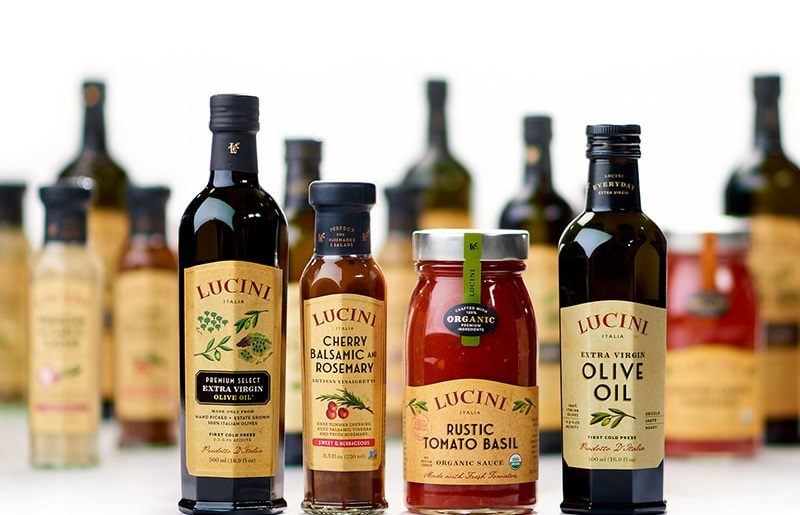
There are many types of waterproof labels for glass bottles on the market today, each with its own advantages and disadvantages. Below are some of the most common types of labels:
1. Plastic decals:
- Advantage:
- Low cost
- Easy to print and design
- Good adhesion on a variety of surfaces.
- Waterproof and chemical resistant
- Multiple colors and patterns can be printed.
- Disadvantages:
- It may peel off after a period of use.
- Not environmentally friendly
2. Paper labels:
- Advantage:
- Environmentally friendly
- Recyclable
- Easy printing
- Low cost
- Disadvantages:
- Not very waterproof.
- Easily torn or damaged
3. Shrink wrap labels:
- Advantage:
- Excellent adhesion on all surfaces.
- Waterproof and chemical resistant
- It can stretch to fit snugly around the bottle.
- Disadvantages:
- Specialized machinery is needed for printing and labeling.
- The cost is higher compared to plastic decals and paper labels.
4. Metal labels:
- Advantage:
- Luxurious and high-end
- Good heat resistance
- Durable and resistant to peeling.
- Disadvantages:
- High cost
- Difficult to print and design.
Choosing the right type of label for your product depends on several factors, including:
- Budget
- Product design
- Terms of Use
- Durability requirements
In addition, you should also consider several other factors when choosing waterproof labels for glass bottles, such as:
- Adhesive quality
- Label size and shape
- Colors and patterns
- Content printed on the label
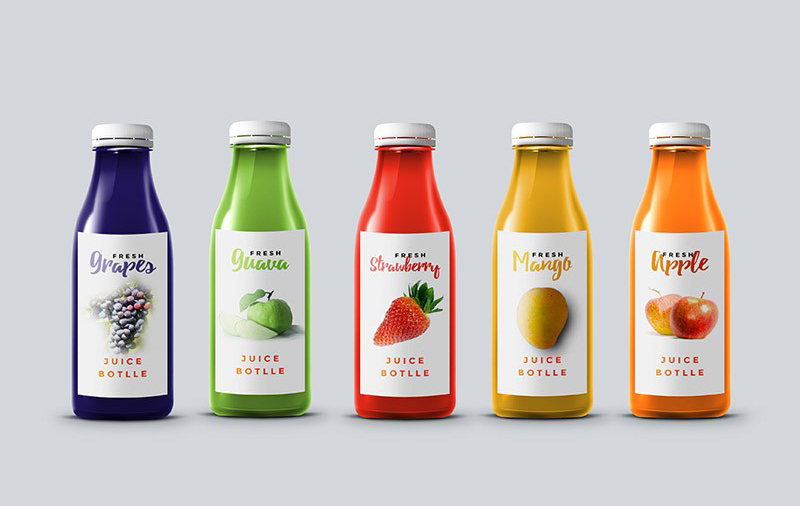
Waterproof labels and water-resistant labels: The key difference
Many people often confuse waterproof labels and water-resistant labels. Although they look similar, these two types of labels have important differences in their water resistance and durability.
Waterproof label:
- Waterproofing: Completely waterproof, it can withstand prolonged immersion in water without peeling, fading, or tearing.
- Material: Usually made from vinyl or polyester, combined with a specialized adhesive that provides absolute waterproofing.
- Applications: Suitable for products that are frequently exposed to water or humid environments, such as bottles and containers for chemicals, food, beverages, cosmetics, etc.
Waterproof label:
- Water resistance: It can withstand a certain level of water, including splashes, sprays, and high humidity. However, labels should not be soaked in water for too long as this may reduce adhesion and cause them to peel off.
- Material: Usually made from paper or plastic, with a coating or adhesive that provides a certain degree of water resistance.
- Applications: Suitable for products that are not frequently exposed to water, such as decal labels on product packaging, stickers on household items, etc.
In short:
- Waterproof labels: The optimal choice for products requiring absolute water resistance.
- Waterproof labels: Suitable for products with minimal water exposure, where cost savings are a priority.
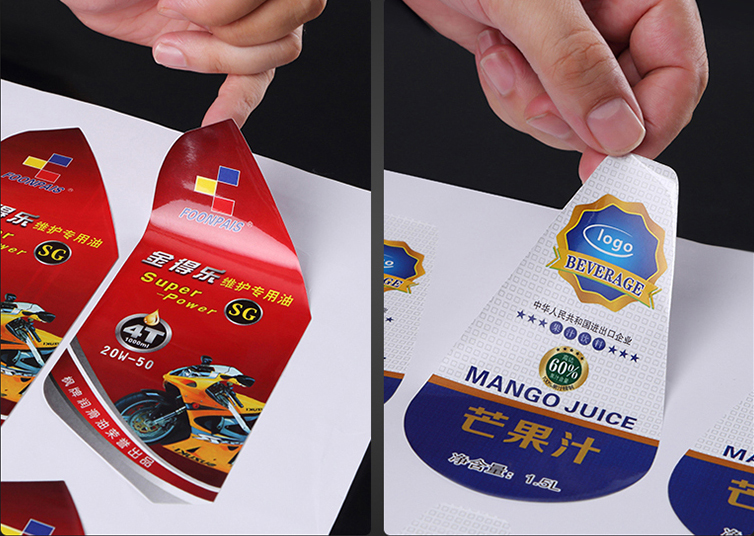
Does your product sink completely?
Beer and wine bottles are often placed in coolers or ice buckets filled with water. In this case, waterproof label materials, inks, and adhesives may be suitable.
At the same time, your customers can expect and tolerate a certain amount of label damage. After all, how many people intend to keep their beer bottles after drinking them, unless it's a special or unique one?
You know your customers best, so carefully consider their priorities and values before deciding between waterproof and water-resistant labels for your glass bottles.
Share:


