


What are RFID card readers and how are they classified?
What is an RFID reader?
An RFID reader (RFID reader), also known as a radio frequency identification reader, is a device used to collect information from RFID tags and is used to track individual items. Radio waves are used to transmit data from the tag to the reader.
RFID tags connect to a host computer system or network and transmit data in several different ways. Network connectivity allows the reader to work more easily than direct connection to a computer, creating a network of interconnected systems.
Classification of RFID Readers
Fixed reader (fixed RFID reader)
Fixed RFID readers are typically high-performance readers with two, four, or eight ports. These readers offer high performance and sensitivity for non-mobile applications. Integrated readers are also fixed readers, but they combine both the reader and RFID antenna in a single complete device. Integrated readers are often mid-performance readers suitable for applications with a small number of RFID tags and keys.
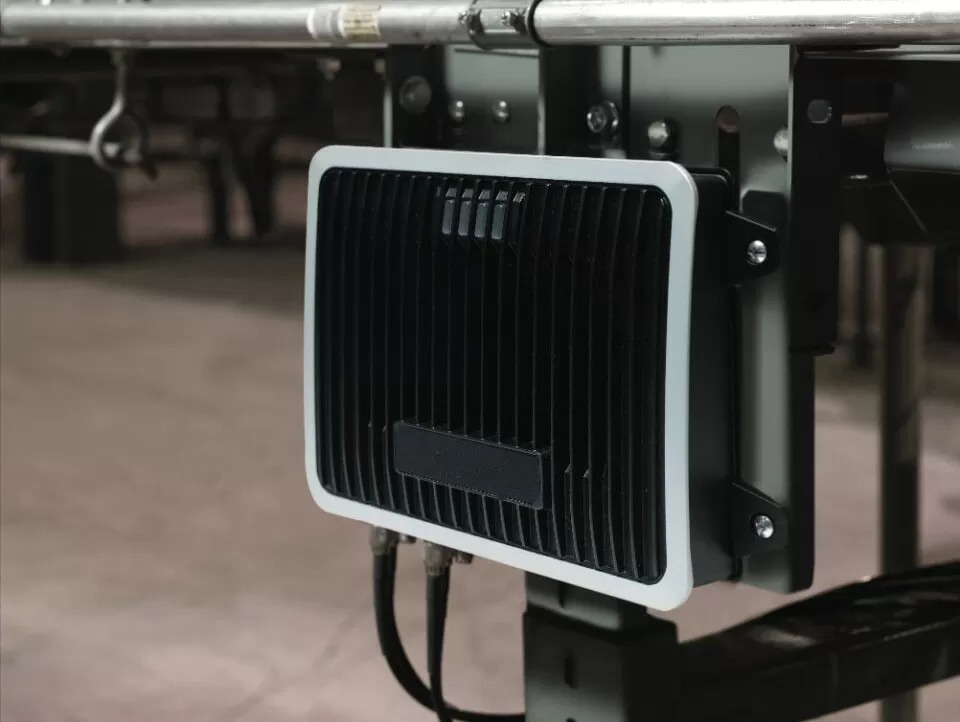
Fixed RFID reader
Mobile phone RFID reader
One of the most popular mobile RFID readers is the mobile phone, which also has a built-in antenna. These readers don't have antenna ports, but they offer many other features, including powerful processing boards and integrated operating systems that can run various programs and software while maintaining functionality and data processing speed.
In addition, there is also a type of handheld RFID reader. This small reader connects to smart devices via Bluetooth or an auxiliary port and can also be controlled by a mobile phone.
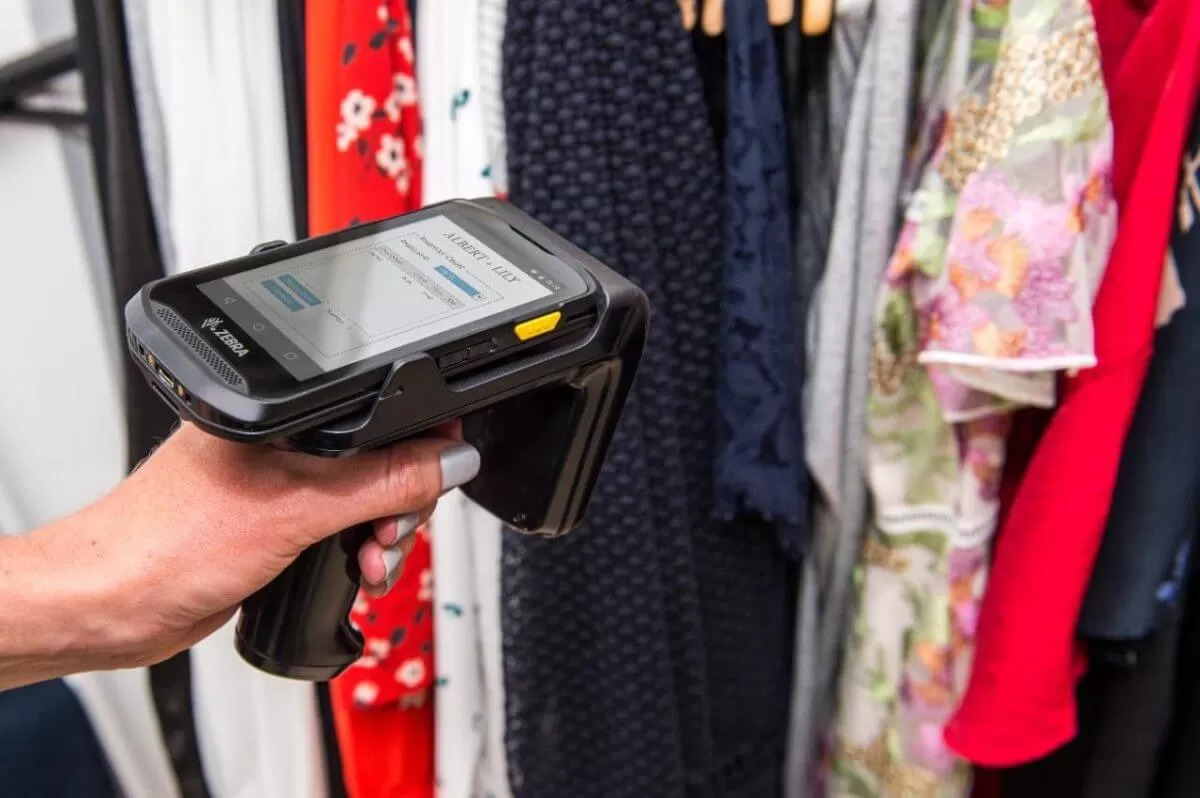
Mobile RFID reader
Most RFID readers are built with specific specifications, capabilities, and features that differentiate them from other card readers on the market. Below are some options and features of the most common types of RFID card readers.
Share:


