


What are the advantages and disadvantages of waterproof and water-resistant labels?
Waterproof labels:
Waterproof labels are labels made from special materials that are water-resistant, protecting the printed information from fading or peeling when exposed to water or humid environments.
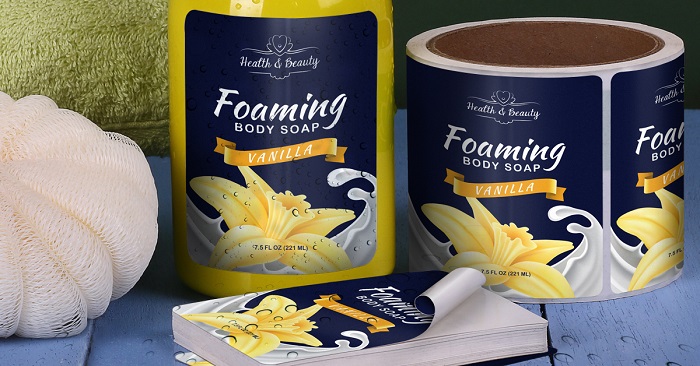
There are two main types of waterproof labels:
- Decal labels: These labels are made from synthetic plastic materials such as PVC, PP, PET, etc., and have good water resistance. Decal labels are commonly used for products such as water bottles, food containers, cosmetics, etc.
- Paper labels: These labels are made from coated or kraft paper and are water-resistant. Paper labels are commonly used for products such as warranty labels, memo labels, price tags, etc.
Advantage:
- It is completely waterproof and can withstand being submerged in water for extended periods.
- Durable, it will not fade or peel even in harsh environmental conditions.
- Suitable for products that are frequently exposed to water or humid environments such as: food, beverages, chemicals, cosmetics, pharmaceuticals, etc.
Disadvantages:
- The cost is higher compared to waterproof labels.
- Printing is more complex, requiring higher technical skills and technology.
- More difficult to remove than waterproof labels.
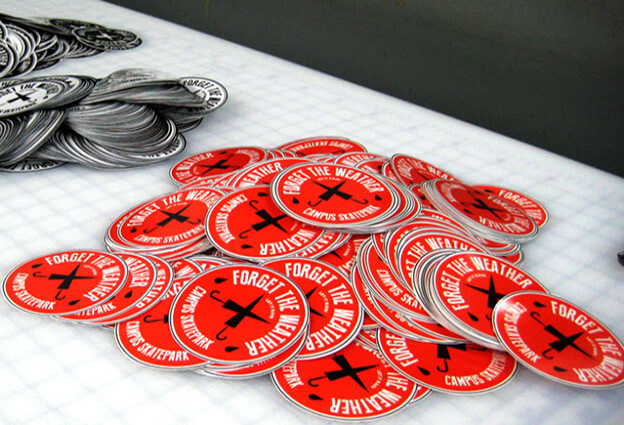
Waterproof labels:
Waterproof labels are labels made from materials that offer a relatively high degree of water resistance. These labels can withstand splashes of water or short-term immersion without fading or peeling.
There are two main types of water-resistant labels:
- Decal labels: These labels are made from synthetic plastic materials such as PVC, PP, PET, etc., and have relatively good water resistance. Water-resistant decal labels are often used for products such as water bottles, food containers, cosmetics, etc.
- Paper labels: These labels are made from coated or kraft paper and offer a certain degree of water resistance. Water-resistant paper labels are commonly used for products such as warranty labels, memo labels, price tags, etc.
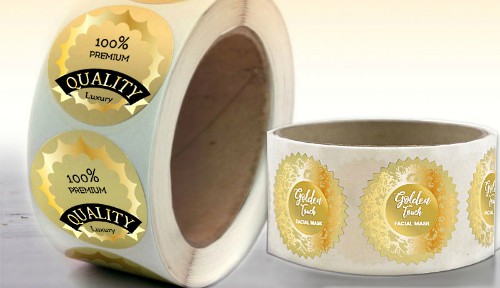
Advantage:
- It is cheaper than waterproof labels.
- Printing is simpler and easier to do.
- Easy to disassemble.
Disadvantages:
- Its water resistance is only moderate; it cannot withstand prolonged submersion in water.
- Prone to fading and peeling in harsh environmental conditions.
- Not suitable for products that are frequently exposed to water or humid environments.
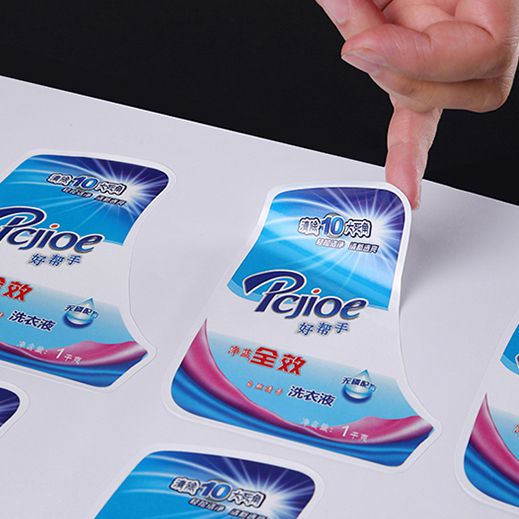
Comparison table:
| Features | Waterproof labels | Waterproof labels |
|---|---|---|
| Water resistance | Absolute | Relative |
| Durability | Enduring | Easily fades and peels. |
| Cost | High | Short |
| Printing | Complicated | Simple |
| Disassembly | Difficult | Easy |
| Application | The product is frequently exposed to water. | The product has minimal contact with water. |
Choose the right labels:
The choice between waterproof or water-resistant labels depends on your specific needs.
- If your product is frequently exposed to water or humid environments, choose waterproof labels to ensure durability and information visibility.
- If your product has minimal contact with water, you can opt for water-resistant labels to save costs.
Note:
- It is advisable to choose a reputable supplier to ensure the quality of labels.
- Provide the supplier with all the necessary information so they can print labels that meet your needs.
Share:


