


What are the differences between roll labels and sheet labels?
What are roll labels?
Roll labels, also known as roll decals, are a type of self-adhesive label produced in long rolls, available in various sizes and with different numbers of labels per roll. Roll labels are made from various materials such as paper, plastic, vinyl, etc., and are commonly used in automation applications where large quantities of labels need to be applied quickly.
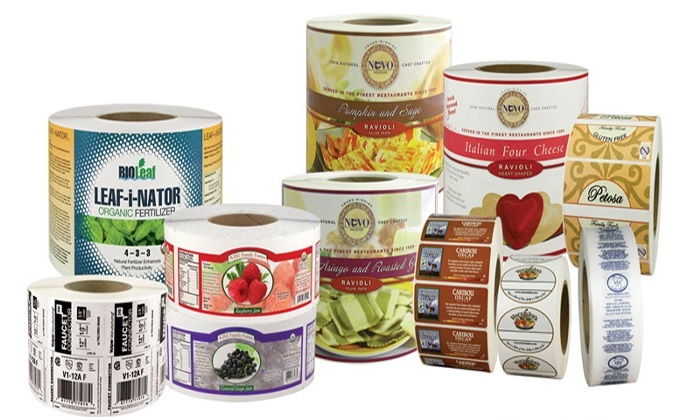
Characteristics of roll labels:
- Shape: Long, coiled form, easily wound and unwound.
- Size: Available in various sizes, from small to large, depending on your needs.
- Number of labels per roll: This can range from a few hundred to several thousand labels per roll.
- Materials: Made from various materials such as paper, plastic, vinyl, etc.
- Adhesive: It has a pre-applied adhesive layer, ensuring the label sticks firmly to the product surface.
- Printing: It is possible to print in multiple colors, patterns, logos, product information, etc.
Advantages of roll labels:
- Cost savings: Roll labels are generally cheaper than sheet labels when produced in large quantities.
- Increased efficiency: Roll labels save time and effort compared to manual labeling, especially when used with automated labeling equipment.
- Easy to use: Roll labels are easy to use with automatic labeling devices or can be applied manually.
- Space-saving: Roll labels can be stored more easily and save more space compared to sheet labels.
- Less waste: Roll labels are less wasteful than sheet labels because the entire roll of labels can be used.
Applications of roll labels:
Roll labels are widely used in many different industries, such as:
- Manufacturing: Labeling of products, electronic components, food packaging, pharmaceuticals, etc.
- Logistics: Applying shipping labels, barcodes, warranty stickers, etc.
- Retail: Labeling prices, product codes, promotional information, etc.
- Healthcare: Labeling specimens, medical records, etc.
- Office: Labeling files, documents, etc.
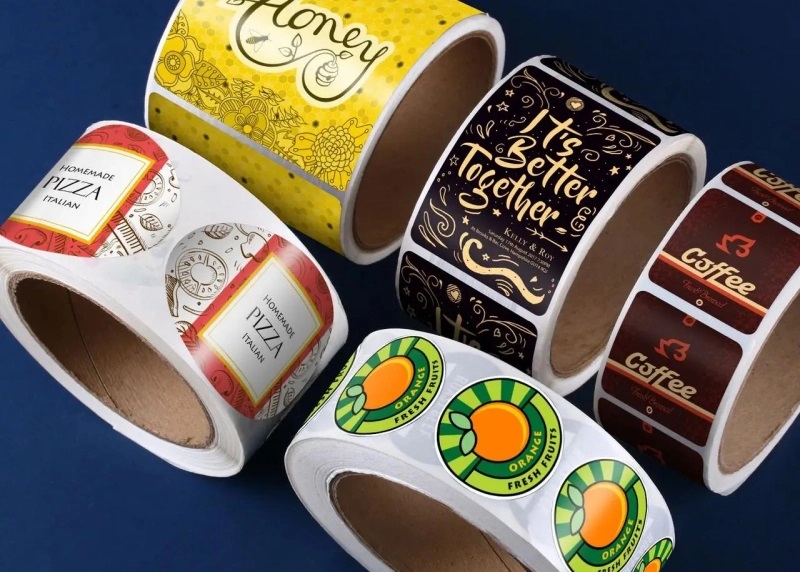
Choose your roll label:
When choosing roll labels, you need to consider the following factors:
- Size: Choose a label size that matches the product size.
- Number of labels per roll: Choose the number of labels that suits your needs.
- Material: Choose a label material that is suitable for the intended environment and product.
- Adhesive: Choose an adhesive suitable for the product surface.
- Printing: Choose print content that is appropriate for your product and brand.
What are sheet labels?
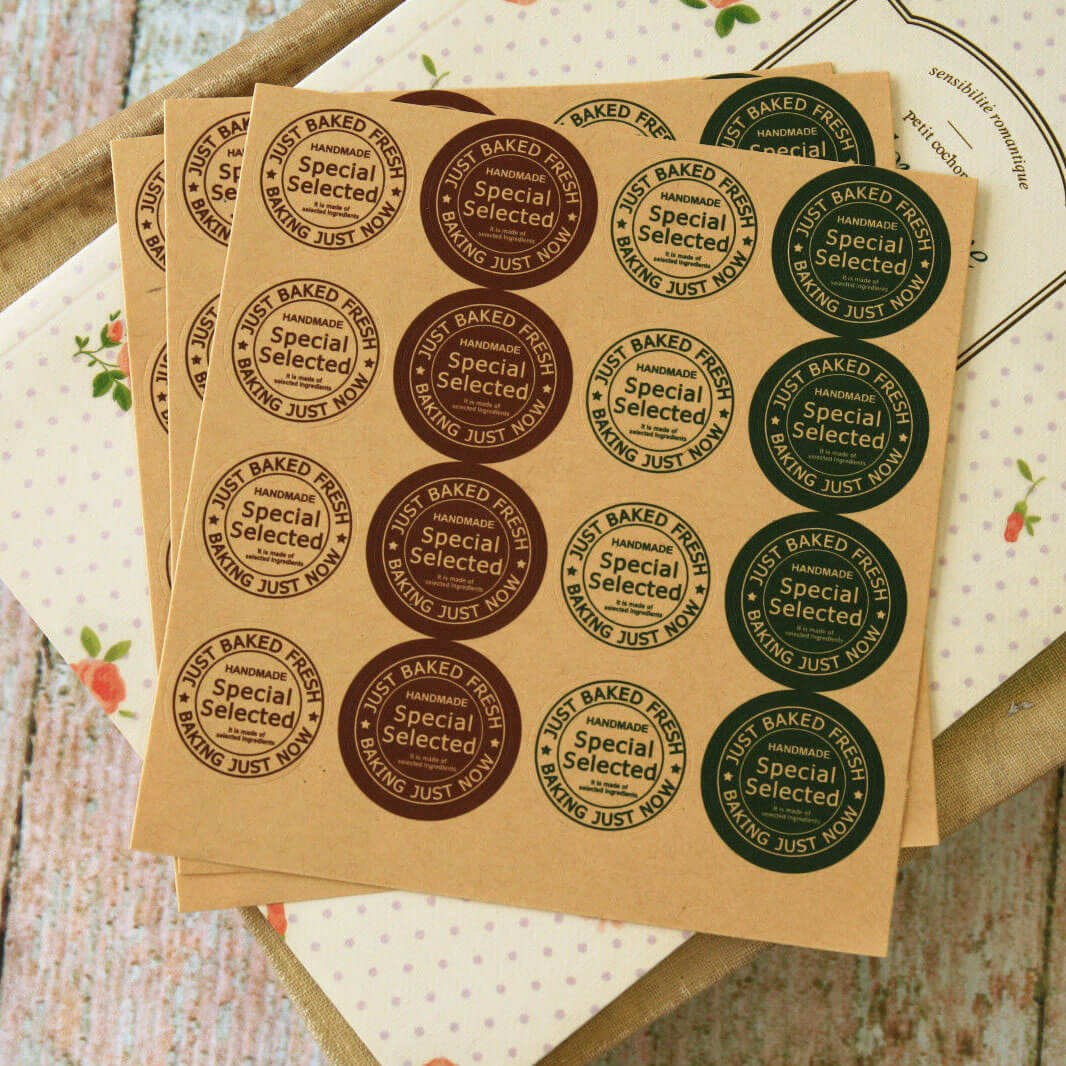
Sheet labels are a term commonly used in the printing and manufacturing industry. They typically refer to a small label or sheet of paper containing product information, safety information, usage instructions, or other relevant information. Sheet labels can be affixed directly to the product or attached to the product in its packaging. Sometimes, sheet labels are also called "stickers" or "note labels".
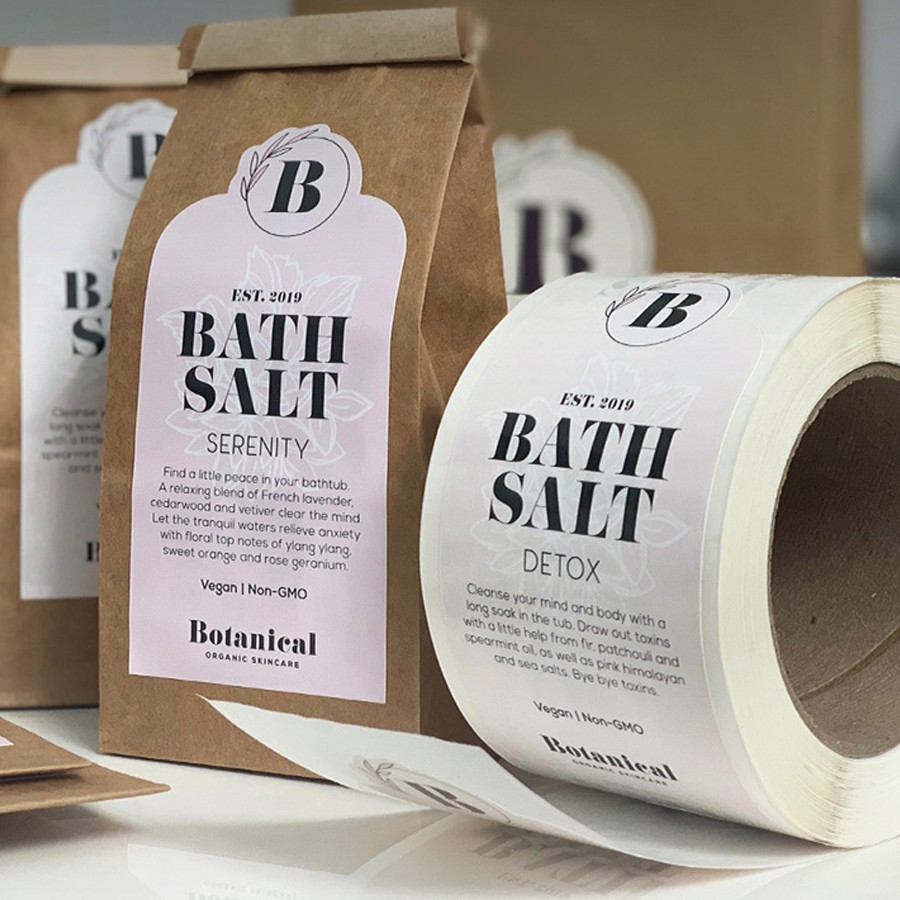
The difference between roll labels and sheet labels:
Shape:
- Roll labels: Produced in long rolls, they can come in various sizes and with different numbers of labels per roll.
- Sheet labels: Pre-cut into individual sheets, usually in standard sizes such as A4, A5, etc.
Material:
- Both types of labels can be made from a variety of materials such as paper, plastic, vinyl, etc.
- However, roll labels are usually made from thinner and lighter materials to make them easier to roll up.
How to use:
- Roll labels: Commonly used in automation applications where high-volume, high-speed labeling is required.
- Sheet labels: Suitable for manual use or small-quantity printing.
Advantage:
-
Roll labels:
- It's more cost-effective for mass production.
- Easy to use with automatic labeling devices.
- Saves storage space.
- Less paper waste.
-
Sheet labels:
- Easy to use manually.
- Suitable for small print runs.
- It's easier to customize the size and shape.
Disadvantages:
-
Roll labels:
- Difficult to use manually.
- An automated labeling device is required for use.
- Not suitable for products with complex shapes.
-
Sheet labels:
- It is more expensive to produce in large quantities.
- Manual labeling takes a lot of time and effort.
- More paper is wasted.
Which type of label should I choose?
The appropriate type of label will depend on your specific needs.
- Roll labels should be used if:
- You need to apply labels in large quantities.
- You want to save money.
- You have an automatic labeling device.
- Sheet labels should be used if:
- You need to print a small quantity.
- You want to use handmade labels.
- You need labels with complex sizes or shapes.
In addition, you also need to consider other factors such as label material, color, design, etc., to choose the label that best suits your product.
For example:
- Roll labels: Commonly used for water bottles, food containers, electronic components, etc.
- Sheet labels: Commonly used for postcards, letters, stamps, labels for handicrafts, etc.
Hopefully, the information above will help you choose the right label for your needs.
Share:


