


What are the dimensions of the product labels?
We aim to fully meet our customers' needs for affordable sticker and label printing services. Nam Viet Group is committed to providing our customers with beautiful, high-quality printed products at competitive prices. We use only the highest quality materials, ensuring the durability and sharpness of your printed labels throughout their lifespan.
In addition, Nam Viet Group also provides bulk label and decal printing services to meet the diverse design needs of our customers. With our flexibility in production and design, we can print and deliver within a short time, helping customers save time and costs.
Today, the size of product labels varies significantly depending on the size and shape of the item. A label with the right size can be highly effective in brand recognition. So, what is the best way to choose, evaluate, and design a label according to its size ? How do you make the right choice? Let's explore this in detail with Nam Viet Group in the following article.
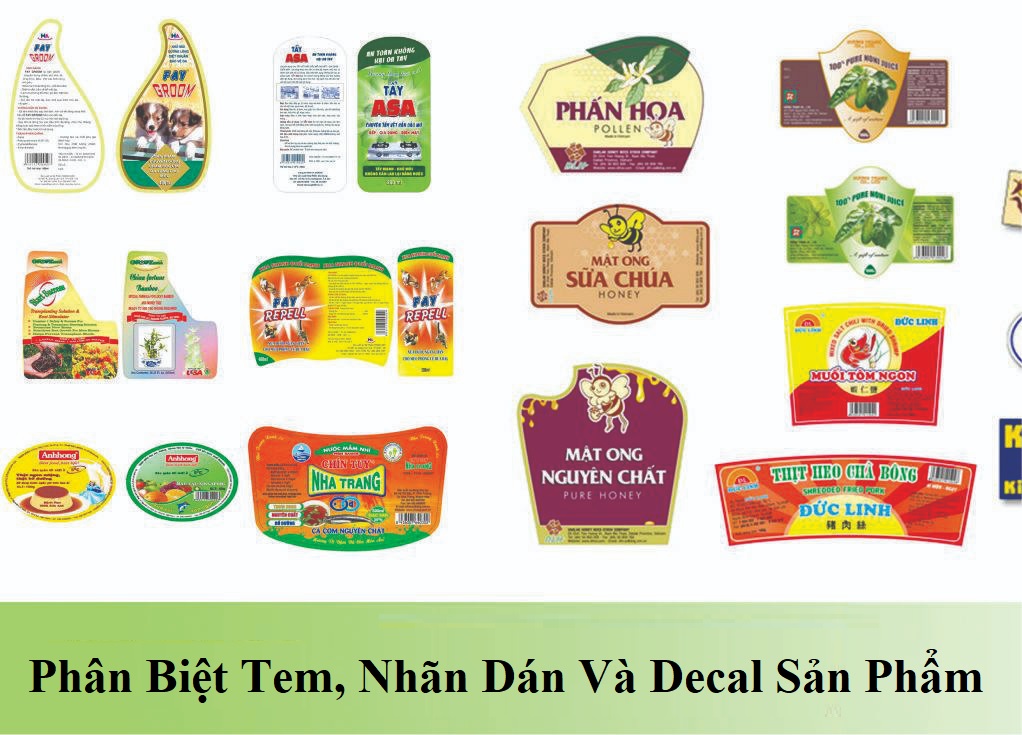
The size of inexpensive product labels can vary depending on the requirements of each product and industry. Below are some commonly used sizes:
- Small size: Typically from 1×1 inch (2.54×2.54 cm) to 2×2 inches (5.08×5.08 cm). Suitable for small products, such as medicine bottles, water bottles, small cosmetic containers, small electronic products, etc.
- Average size: Typically from 2×2 inches (5.08×5.08 cm) to 4×4 inches (10.16×10.16 cm). Common in the food industry, household goods, office supplies, etc.
- Large size: Typically 4×4 inches (10.16×10.16 cm) or larger. Often used for large products, such as gift boxes, wine bottles, shipping containers, etc.
A product label is essential for any product. Over 90% of customers learn about a product because they are attracted by the visual impact of its packaging. The size of the printed, inexpensive label is also a crucial factor in conveying product information.
Currently, there are many types and sizes of label printing available, depending on the size and shape of the product. How do you choose, estimate, and design labels to the most standard sizes? Choose an affordable label printer that is compatible with most label tape sizes. Check out the suggestions below!
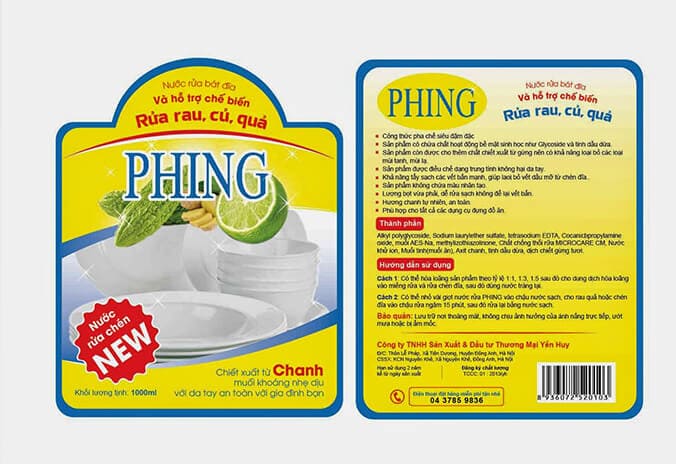
Product label template
Choose the size of the product label.
1. Stickers and decals
Product labels and decals are two terms commonly used to refer to various types of stickers used to attach to different surfaces. Below is an explanation of both terms:
- Stickers:
- Purpose: Labels are a type of sticker used to identify, provide information, or display a brand on products or surfaces.
- Materials: Labels can be made from paper, flexible plastic, fabric, or other materials depending on the intended use. The material must be durable, water-resistant or moisture-resistant (if needed), and have suitable adhesive properties for easy application to surfaces.
- How to use: The labels have a strong adhesive layer for sticking to surfaces. Usually, you just peel off the protective layer and stick the label to the surface, applying pressure to ensure the label adheres firmly.
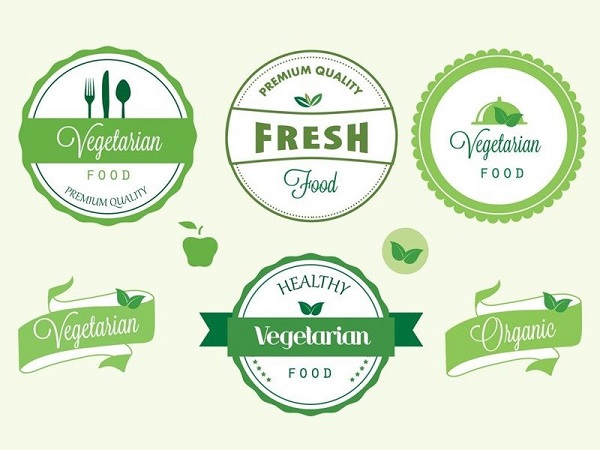
Product labels, also known as stickers or labels.
- Decal:
- Purpose: Decals are a type of label with a similar function to stickers, used for identification, decoration, or branding.
- Materials: Decals are typically made from plastic materials (such as vinyl) that are water-resistant, colorfast, and abrasion-resistant. They may also have a protective coating to enhance their durability.
- How to use: Decals also have a strong adhesive layer for sticking to surfaces. The process of applying a decal is similar to applying a sticker; simply peel off the protective layer and stick the decal onto the surface.
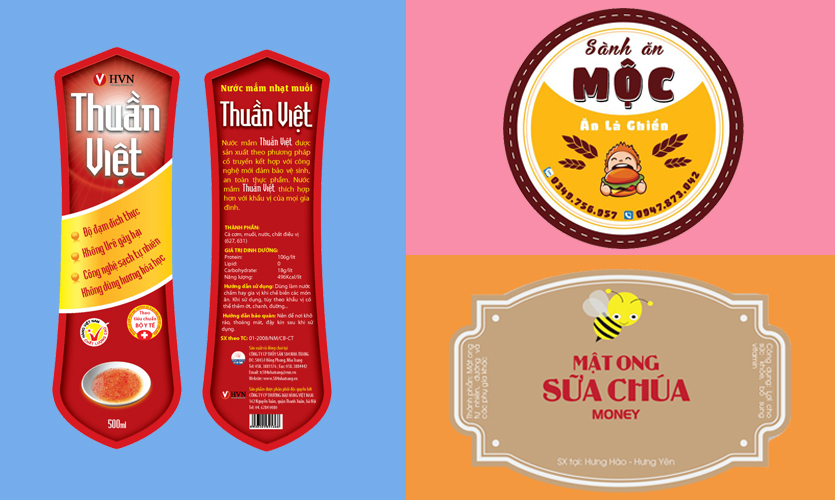
Product decals
Although labels and decals share similar characteristics, the term "decal" is typically used to refer to labels used for decoration or image printing, while the term "label" tends to refer to labels used to provide information or identify products. However, the usage of these terms can vary depending on the context and industry.
2. Clothing tags
Clothing tags are labels attached to clothing, often used for identification, informational purposes, or branding. Here is some information about clothing tags:
Function: Clothing tags can serve various functions. Some tags may contain information such as name, size, price, material composition, care instructions, origin, and other product-related information. Tags can also be used to display a company's brand, logo, or marketing message.
Materials: Clothing tags are typically made from materials such as paper, flexible plastic, or high-adhesion fabric. These materials must be safe for the skin and not cause irritation upon contact.
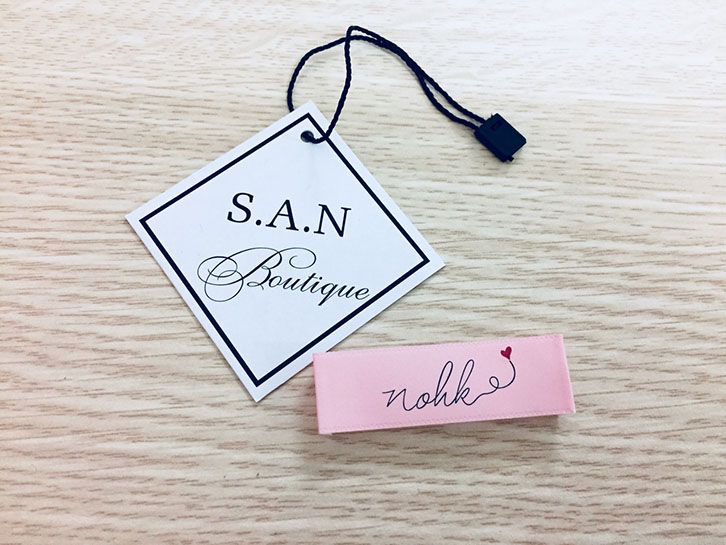
Clothing labels
How to use: Clothing tags usually have a strong adhesive or use heat to attach them to clothing. The process of attaching the tag is usually very simple; just peel off the protective layer and stick the tag to the clothing, then apply light pressure to ensure the tag adheres firmly.
Design philosophy: The design of clothing labels is usually created to match the style and intended use of the product. It can be aesthetically pleasing, provide clear information, and attract consumer attention.
Types of labels: There are many different types of clothing labels such as flexible labels, printed labels, decorative labels, barcode labels, etc. Depending on the product and brand requirements, you can choose the appropriate type of label.
Remember that when using clothing tags, you need to ensure that the tags do not damage or ruin the product, and can be easily removed without leaving any adhesive residue or affecting the clothing.
3. Labels for consumer goods
Consumer labels are stickers used on products intended for the end consumer. The functions of consumer labels may include:
Product information: Labels on consumer goods typically contain information about the product name, brand, ingredients, manufacturing date, expiration date, usage instructions, and safety warnings. This information helps consumers better understand the product and use it correctly.
Advertising and marketing: Consumer product labels can also be used for brand promotion and marketing. These labels can contain images, logos, slogans, or advertising messages to attract consumer attention and create brand recognition.
Security and Sealing: In some cases, consumer goods labels can also be used to secure and seal products. This helps ensure integrity and prevents tampering from the moment the product leaves the factory until it reaches the consumer.
Tracking and Barcodes: Consumer product labels can contain barcodes or tracking information for easier management throughout the supply chain, shipping, and retail. This helps track schedules, verify authenticity, and manage inventory.
The size and design of consumer product labels depend on the type of product and industry. For advertising and informational purposes, labels are often made of materials that are easy to apply and remove. Creative label design can also help enhance the consumer shopping experience.

Sample of labels for consumer goods
Warranty stickers and tamper-evident seals
Warranty stickers and tamper-evident seals are two types of labels with different purposes and applications in the transportation and storage of goods. Below is an explanation of both types of labels:
- Warranty sticker:
- Purpose: Warranty labels are used to ensure the integrity of goods and to control unauthorized opening, tampering, or access to the contents.
- Applications: Warranty stickers are commonly used on products such as cardboard boxes, packaging, bags, or any item that needs to be protected from tampering or opening before reaching the end consumer.
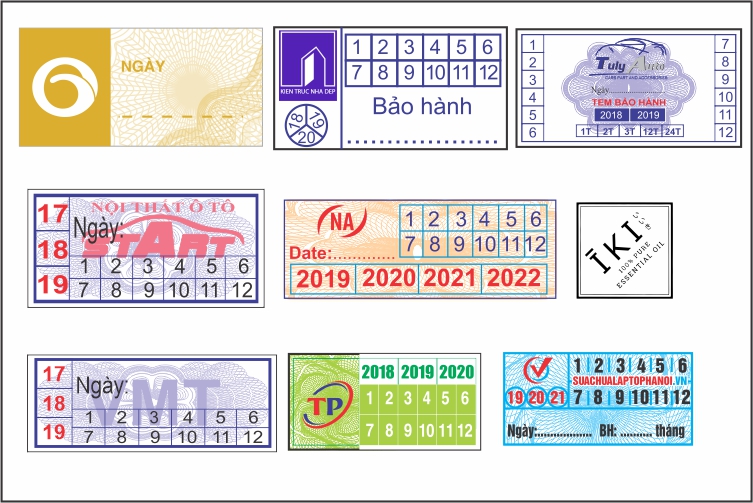
Warranty sticker printing template
- Seal sticker:
- Purpose: Seals are used to confirm the "unopened" status of a product or packaging. If the seal on a product is damaged or broken, this may indicate that the product has been opened or tampered with.
- Applications: Sealing labels are commonly used in industries such as logistics, freight forwarding, insurance, or in the process of securing equipment and goods between parties. Sealing labels can be placed on equipment, container gates, boxes, or products to prevent them from being opened or tampered with until they reach their destination.
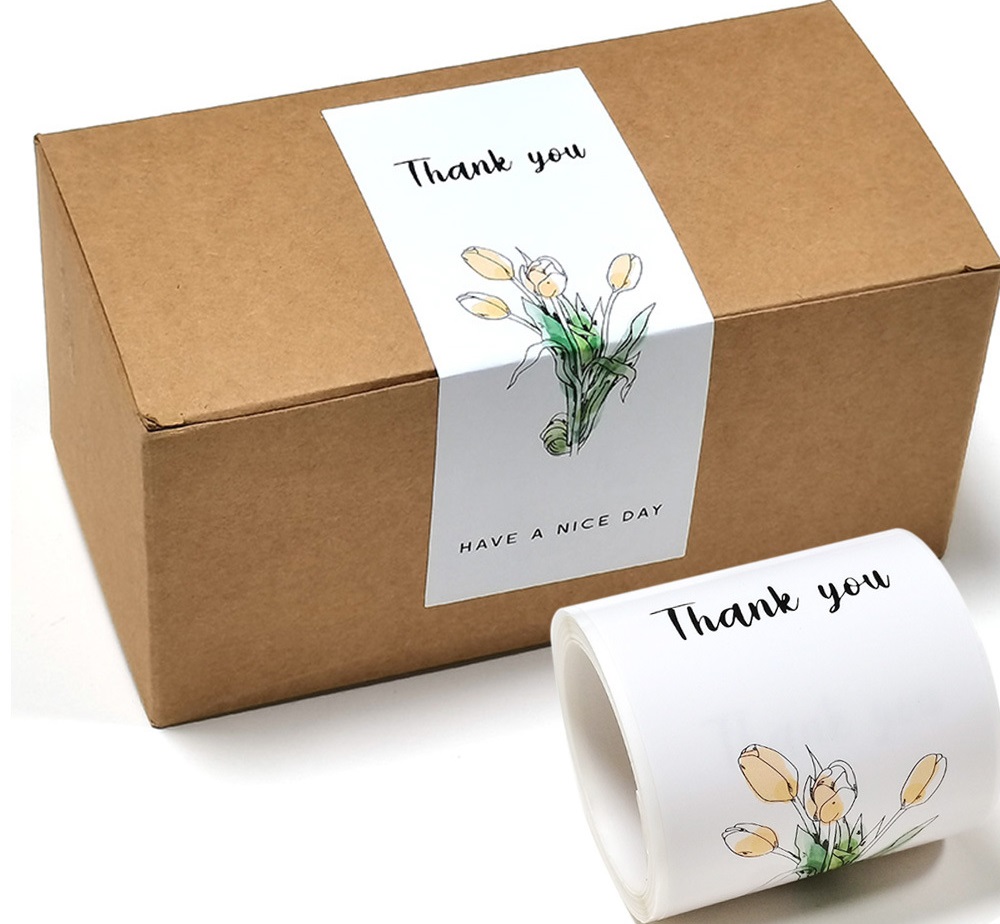
Sample sticker for sealing shipping boxes, Thank You sticker, Thank you label
Both types of labels help ensure the integrity and safety of goods, while minimizing the risk of loss or violations of shipping procedures. However, the purpose and application of each type of label will differ depending on the requirements and the industry in which they are used.
Rules for selecting the size of supplementary labels.
When choosing the size of secondary labels, there are some basic rules you can follow to ensure effectiveness and appeal. Here are some general rules:
- Matching the product: The size of the supplementary label should be chosen to match the size and shape of the product. It shouldn't be too large or too small compared to the product, but should be adjusted appropriately to attract attention and convey information clearly.
- Large enough to read: The size of the supplementary label needs to be large enough for consumers to easily read the information on the label. This ensures that essential information such as product name, ingredients, usage instructions, barcode, etc., are clearly displayed.
- Appropriate for available space: When choosing the size of the supplementary label, consider the available space on the product packaging. The supplementary label should not take up too much space or obscure other important information on the packaging. It also shouldn't be too small, detracting from the aesthetics or making it illegible.
- Branding and Design: The size of the supplementary sticker needs to be compatible with the product's design and branding. It should match the proportions and placement of other design elements such as the logo, slogan, images, etc., to create a harmonious and professional overall look.
- Compliance with regulations: When choosing the size of supplementary labels, it is necessary to consider the regulations and requirements of the industry or relevant legal regulations. Industries such as food and pharmaceuticals may have regulations regarding the size and information that must be displayed on supplementary labels.
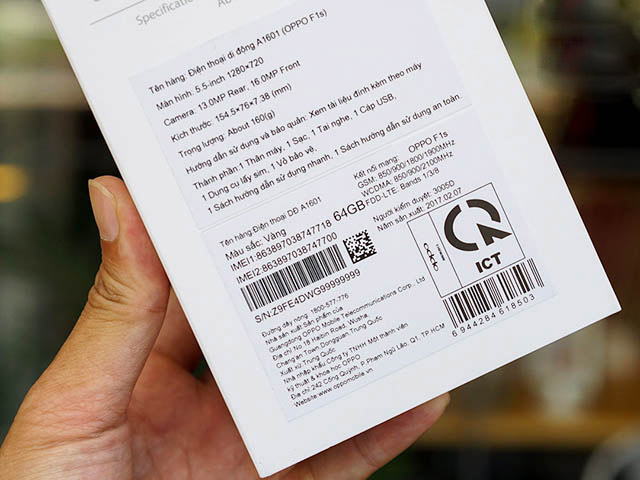
Sample of the supplementary label to be affixed to the product.
Remember, this rule is only a general guideline. Choosing the right size for the supplementary label should be carefully considered based on the specific characteristics of each product and marketing objectives.
Share:


