


What is anti-metal RFID tag? working principle and advantages
What are anti-metal RFID tags?
Metal-resistant RFID tags, also known as RFID on metal tags, are tags specifically designed to function effectively when directly attached to metal surfaces or even embedded within metal products. Unlike conventional RFID tags, metal-resistant tags overcome signal interference and degradation caused by metal, thanks to their special technologies and structure.
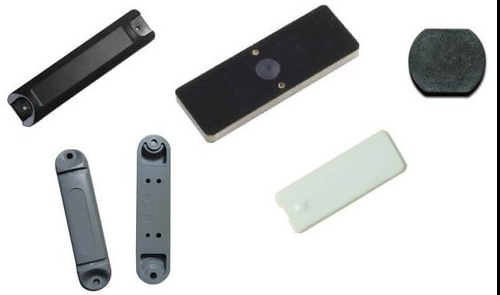
Why are metal-resistant RFID tags needed?
- Overcoming the limitations of conventional RFID tags: Metals reflect radio waves, significantly reducing the reading range and reliability of conventional RFID tags. Metal-resistant tags address this issue, allowing you to track and manage assets even when they are attached to metal devices.
- Diverse applications: Metal-resistant tags are well-suited for industries such as:
- Healthcare: Managing medical equipment, monitoring patients.
- Information Technology: Managing laptops and servers.
- Production: Tracking tools, managing inventory.
- Logistics: Tracking containers and goods.
- And many other industries…
Operating principle:
Metal-resistant RFID tags operate on the following principles:
- Special antenna design:
- The antenna is optimized to minimize the effects of metal.
- Use special conductive materials.
- Protective case:
- The card casing is made from insulating and corrosion-resistant material.
- Protect the internal electronic circuitry from environmental damage.
- Encryption technology:
- Utilize advanced communication protocols to ensure data stability and security.
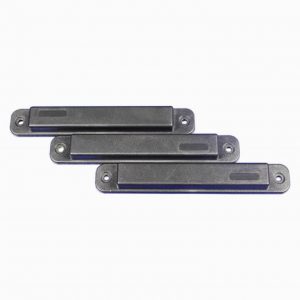
Advantages of metal-resistant RFID tags:
- High durability: Withstands harsh environments and strong impacts.
- Long reading distance: Ensures efficient operation in various conditions.
- Large storage capacity: Can store a lot of information.
- High level of security: Difficult to counterfeit or copy.
Some things to consider when choosing metal-resistant RFID tags:
- Operating frequency: Select a frequency suitable for the working environment and reading devices.
- Reading distance: Select a tag with a reading distance that meets the application's requirements.
- Size and shape: Choose a tag that fits the attachment location and the size of the product.
- Working environment: Consider factors such as temperature, humidity, chemicals, etc., to choose a card that can withstand these conditions well.
Conclude:
Metal-resistant RFID tags are a useful tool for asset management and tracking. With their outstanding advantages, metal-resistant RFID tags are increasingly being used in many different fields.
Note: The information in this article is for reference only and may vary depending on the manufacturer and specific application.
Share:


