


What is digital printing and how is digital printing applied in the printing process?
Digital printing is one of the most modern printing technologies, delivering sharp and professional images at superior speed. It's considered a major breakthrough in the printing industry and has become a popular choice in many countries worldwide. However, this technology has both strengths and limitations that need to be considered. Let's explore them in more detail with Nam Viet Group in the article below.
What is digital printing?
Advantages of digital printing
– Superior print quality: Gradient color printing delivers sharp, refined, and consistent effects.
– Fast speed: Ensures short printing times, suitable for urgent needs.
– High flexibility: Easily print various types of images, and even edit or change flawed designs immediately during the printing process. –
Diverse sizes: Supports printing from small sizes of a few millimeters to large prints of several meters.
– Diverse printing materials: Can print on many materials with different thicknesses such as paper, wood, ceramics, glass, metal…
– Optimized cost: With competitive pricing and a simplified manual process, digital printing significantly saves labor costs.

Disadvantages of digital printing
– Limitations in economic efficiency when printing in large quantities: The cost per print will not decrease significantly when handling large orders compared to traditional methods.
– High initial investment: Advanced technology means modern machinery and equipment that are quite expensive.
Let's consider the advantages and disadvantages above to maximize the potential that digital printing technology offers. It certainly remains an effective and flexible solution for modern printing needs.
Digital printing has diverse and widespread applications in many different fields due to its flexibility, convenience, and rapid response capabilities. Here are some of its main applications:
1. Digital printing in the fashion industry
Digital printing is widely applied in the fashion industry through the heat transfer printing method. Products such as t-shirts, shirts, and many other types of clothing are often printed with vivid images. Using just a small printer combined with a heat press, users can create diverse designs to suit their individual needs.
2. Digital printing in the advertising industry
In the field of media and advertising, digital printing plays an indispensable role. This technology is used to produce products such as logos, images, product packaging, billboards, flyers, posters, etc. With its ability to reproduce colors realistically and without size limitations, digital printing helps businesses implement effective and professional marketing campaigns.
3. Applications in other fields
Besides fashion and advertising, digital printing is also applied in many other fields such as:
– Interior design
– Printing on glass cups, phone cases
– Printing labels, warranty cards
– Business cards, wedding invitations
– Paper packaging boxes…
Digital printing methods optimally meet creative needs and ensure high-quality finished products.
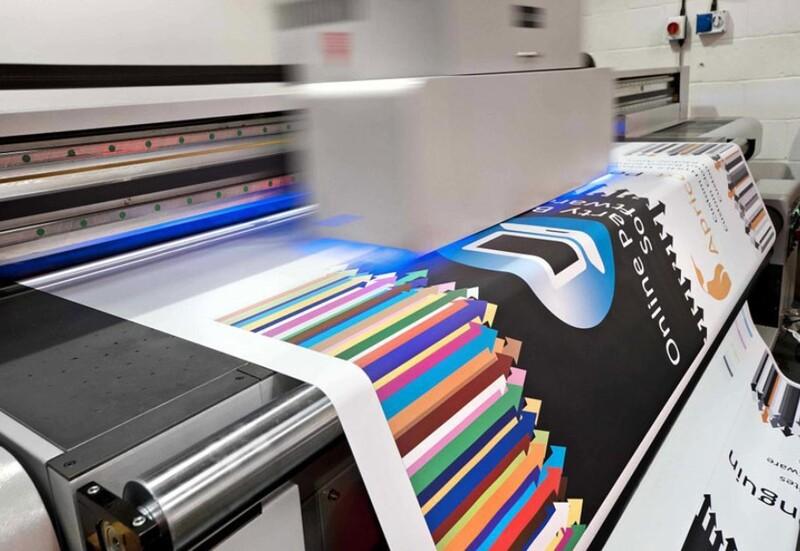
Current digital printing process
The digital printing process goes through several basic steps as follows:
– Step 1: Prepare the print file.
The printing workshop will assist in designing the file if the customer does not have a ready-made design. The print file usually includes the message, images, brand name, logo, address, etc., ensuring that all customer requirements are met.
Step 2: Prepare materials and ink.
Materials such as paper, film, decals, and printing inks will be prepared according to specific requirements. The machinery will be calibrated to the appropriate ratio for optimal results.
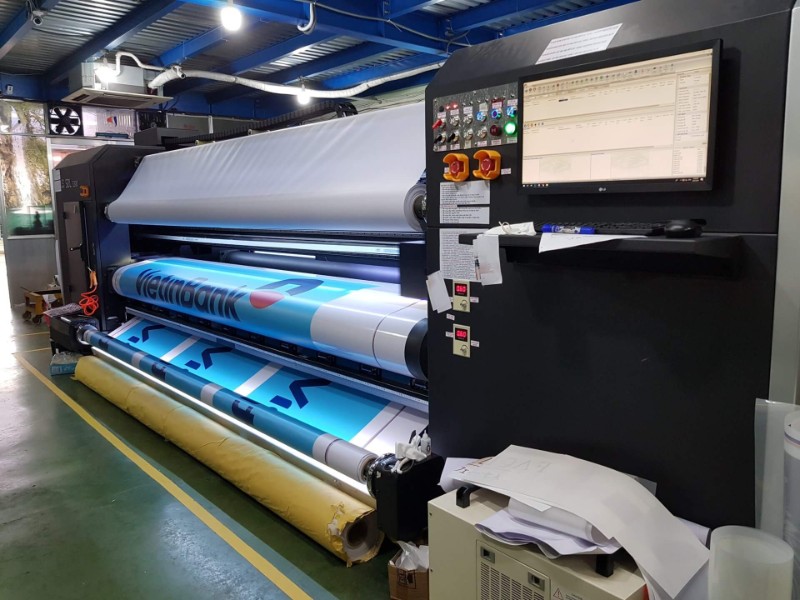
Step 3: Proceed with printing
The technician checks the entire machine's operation before starting to ensure there are no errors during operation. Then the automated printing process is carried out.
Step 4: Dry the product.
After printing is complete, the ink remains wet and needs to be dried using a specialized machine to ensure it doesn't smudge or affect product quality.
Step 5: Check the print quality.
The final product will be carefully inspected to ensure it meets quality standards. Any prints with blurry or smudged ink will be discarded to ensure customer satisfaction.
Digital printing is proving increasingly important due to its ability to precisely meet personalized needs and provide rapid production speeds for all sectors.
Share:


