


What is PMS color? What should be considered when using this color system for label printing?
What are PMS colors?
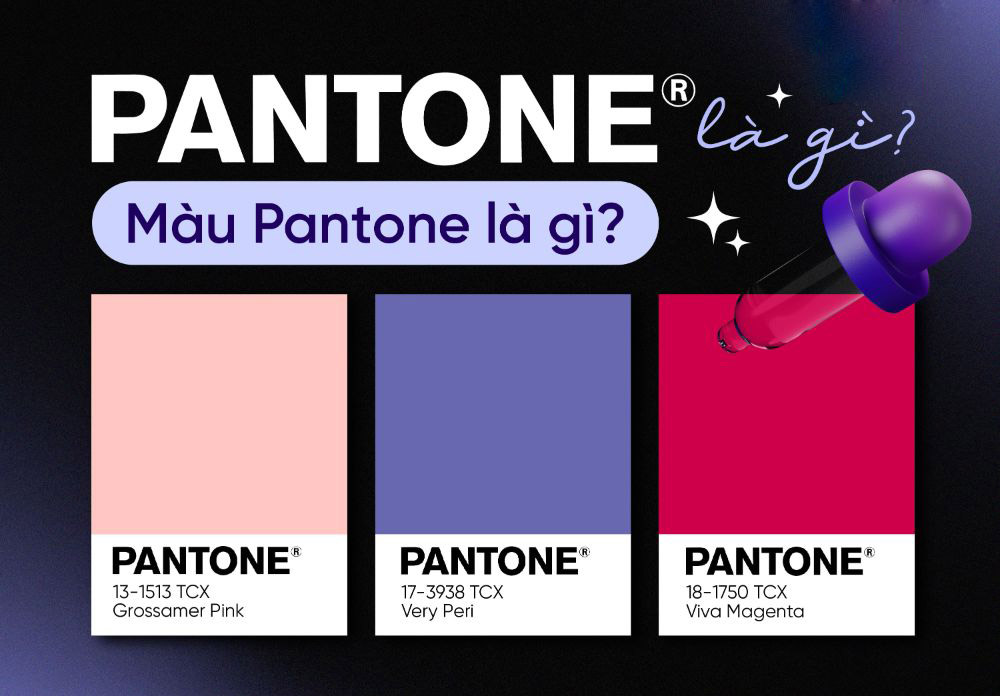
PMS stands for Pantone Matching System , a standard color matching system widely used in the printing, design, and manufacturing industries. This system comprises a vast library of specifically defined and coded colors, ensuring color consistency across various production processes.
Key characteristics of PMS colors:
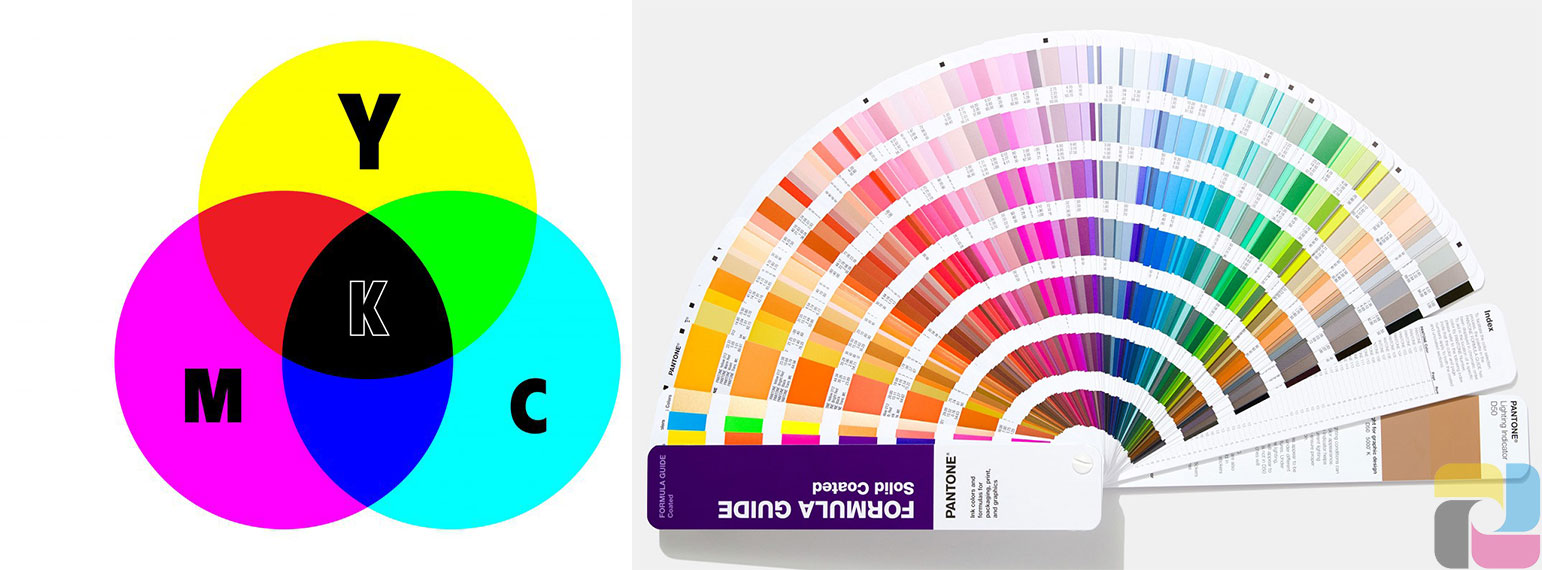
- Pre-mixed colors: PMS colors are pre-mixed from specific ink formulas, rather than from CMYK primary colors. As a result, PMS colors offer greater accuracy and consistency compared to CMYK colors, especially for complex or unique colors.
- Unique code: Each PMS color has a unique code, making it easy to identify and select. For example, Pantone 185 C is a bright red color, with the code C standing for Coated.
- Versatile applications: PMS colors are used in a wide range of fields, including packaging printing, labels, promotional materials, fashion design, plastics manufacturing, paints, and other industrial products.
Advantages of PMS colors:
- Ensuring color consistency: PMS color helps ensure that colors are displayed accurately and consistently across prints, regardless of the printer or printing equipment used.
- Increased production efficiency: Using PMS color simplifies the production process, minimizes errors, and saves costs.
- Effectively conveying brand messages: Color plays a crucial role in communicating brand messages and attracting customer attention. PMS color helps businesses accurately represent their brand colors on products and advertising materials.
Disadvantages of PMS color:
- Higher cost: Printing using PMS color is generally more expensive than printing using CMYK color, especially when using many different PMS colors.
- Limitations in color range: The PMS color range is narrower than the CMYK color range. However, Pantone regularly updates and adds new colors to meet market demands.
In summary, PMS color is a standardized color matching system that offers many benefits to the printing, design, and manufacturing industries. However, businesses need to consider the advantages and disadvantages of PMS color before deciding to use it for their products.
What should be considered when choosing a color system for label printing?
Choosing the right color system is crucial to the quality and effectiveness of product labels. Here are some important considerations when selecting a color system for label printing:
1. Choose the appropriate color scheme:
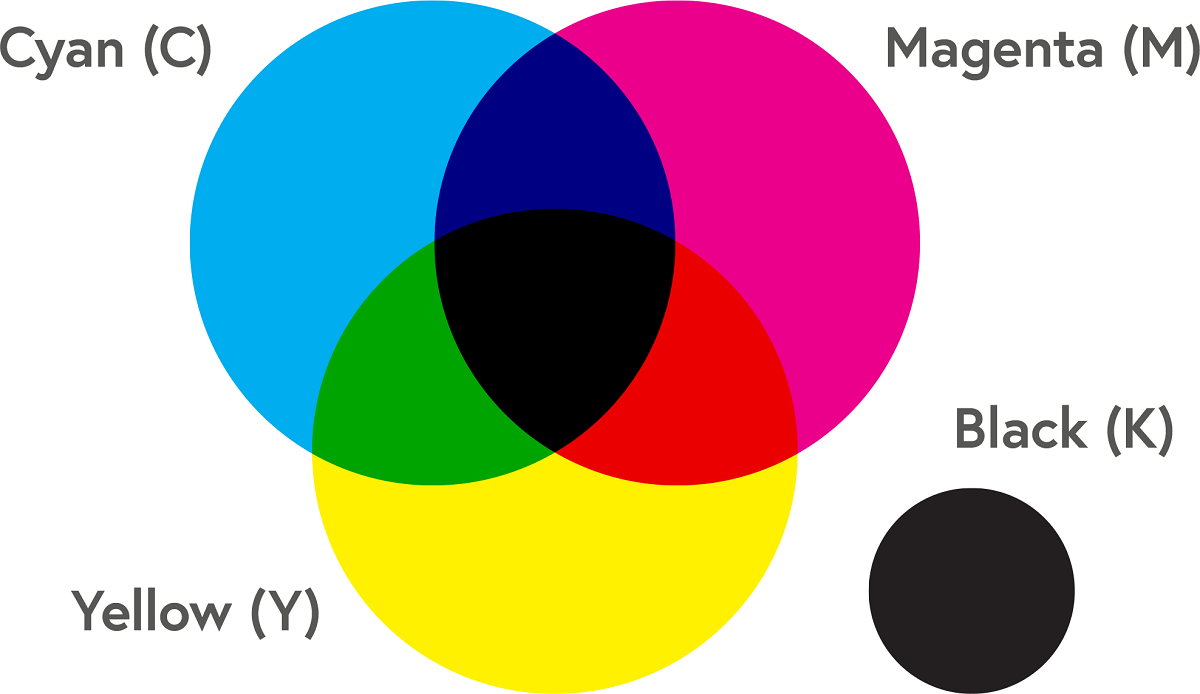
- CMYK color system: Suitable for multi-color printing on a variety of materials. This system uses four ink colors: Cyan, Magenta, Yellow, and Black (Key – often replaced with Dark Black). CMYK produces a wide color gamut and saves on printing costs. However, this color system may be limited in its ability to represent certain specific colors.
- Pantone color system: Suitable for printing special colors requiring high accuracy. This system uses its own ink system, allowing for accurate and consistent color reproduction. However, printing costs using Pantone are generally higher than with CMYK.
- RGB color system: Suitable for web design and screen displays. This color system uses three colors: Red, Green, and Blue. RGB creates a wide and vibrant color gamut. However, this color system is not suitable for printing because it does not accurately represent colors on printing materials.
2. Consider other factors:
- Type of printing material: The printing material affects how colors are displayed. For example, tracing paper will make colors appear lighter, while plastic will make colors appear darker.
- Printing method: Different printing methods can affect color accuracy and quality. For example, offset printing generally produces better color quality than digital printing.
- Target audience: Colors should be appropriate for the target audience and convey the desired brand message.
3. Some additional notes:
- Use high-contrast colors to help make the information on the label easy to read.
- Avoid using too many bright colors, as this can be visually overwhelming.
- Ensure that the colors on product labels are consistent with the brand colors.
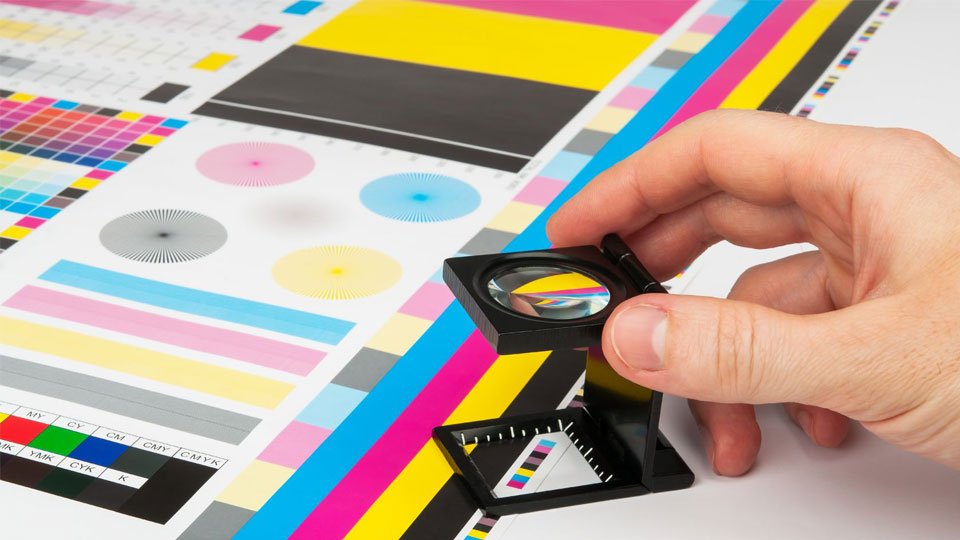
- Color testing is performed across various materials and printing devices to ensure accurate reproduction.
4. Support tools:
- Use color management tools to ensure color accuracy and consistency.
- Consult with a professional printing company for advice on choosing the appropriate color system for your product labels.
Choosing the right color scheme is a crucial step in designing effective product labels. By following the above guidelines, you can ensure that your product labels attract customer attention and convey your brand's desired message.
Share:


