


Why is prepress a crucial element in the printing process?
What is prepress ? Or what does prepress mean? What tools do you need to perform prepress? What are the benefits and limitations of prepress in the printing industry? If you still have these questions, let's explore the content of the article below!
What is typesetting?
Prepress is a familiar term in the printing industry, often referred to as printing plate making . Typically, this process takes place in industrial printing workshops with high-capacity machinery. If you want to learn more about prepress, please refer to the article below!
Before printing any product, the first step is pre -press , or in other words, preparing the print sample for the machine before starting the printing process. Regardless of the printing technique used, sample preparation always plays a crucial role. Pre-press is commonly used in manual printing processes or CTP/CTF printing technologies in printing workshops. Furthermore, with the development of modern printing technology, many devices and printing machines are capable of electronic pre-press, allowing the printing machine to be controlled directly from a computer without needing to create a print sample beforehand. This helps produce high-quality printed products and meet the demand for fast printing without the need for pre-press.
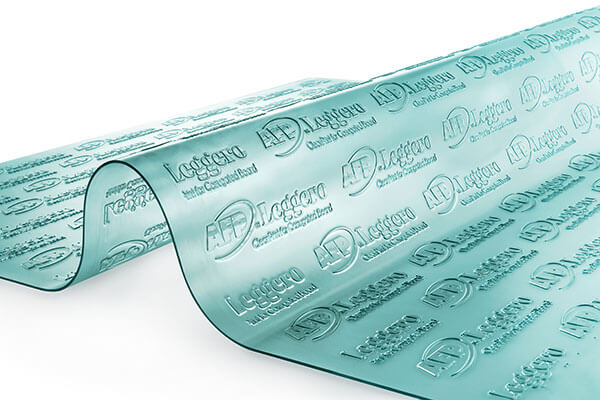
Prepress is essentially the process of creating a film for printing, also known as a printing plate or a template for photocopying.
The understanding of printing prepress can be summarized as follows:
- Printing is the process of using equipment, machinery, and technology to produce printed products according to pre-prepared designs.
- After the printing process is complete, the product will need to be further processed using highly specialized machinery and technology to create the final product exactly according to the original design.
- Printed products include publications created using technology and machinery in the printing industry, such as:
- Publications must comply with legal regulations.
- Newspaper and magazine publications as regulated by press law.
- Forms issued by government agencies.
- Print anti-counterfeiting labels for business goods.
- Printing product packaging and labels.
- Printing documents or papers for organizations and individuals.
- Financial bills, cards, and valuable documents (excluding cash).
Hopefully, the above information will help you better understand the prepress process in the printing industry!
What are printing plate making tools?
Nowadays, creating print prepresses has become much simpler than before. We no longer need expensive, modern equipment or complex manual production processes. Today, to create print prepresses, in addition to mastering design software like Illustrator and InDesign, it's also necessary to understand the design principles for printed products and templates in order to create the most perfect products.
To produce a beautiful and high-quality print, designers need to be proficient in prototyping tools. In addition, some basic steps in the design and prototyping process outlined below are also very helpful in ensuring the printing plate is designed as accurately as possible.
The steps involved in the printing plate making process include:
To proceed with prepress, the first crucial step is to clearly understand the client's intended use. The designer needs to combine various elements to create a complete document, ensuring a smooth printing process.
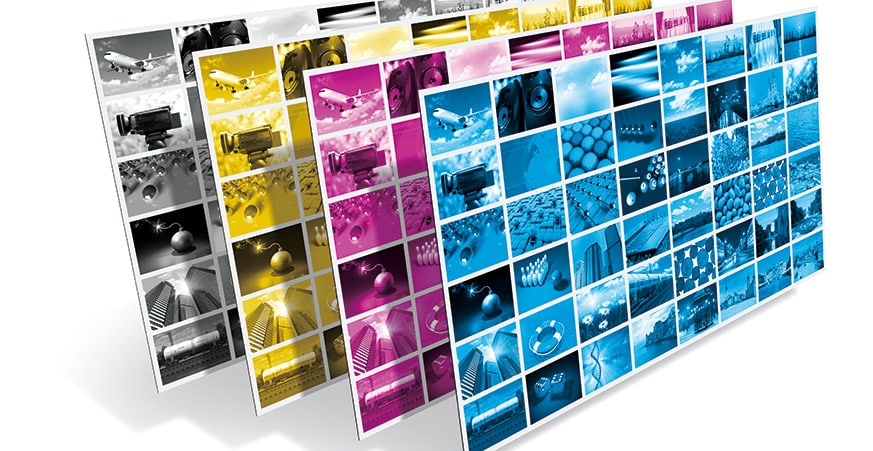
Below are some basic steps to help you perform prepress accurately . Please refer to them to better understand the printing prepress process!
Research print samples
To produce a high-quality print job effectively, meticulous attention to each step is essential. The printing process involves many different stages, with each person responsible for a specific task. Understanding the role and objectives of each stage is crucial to ensuring the final product meets the intended purpose. During the design phase, it's necessary to determine the size, layout, colors, and even the page arrangement and related content of the publication, all aimed at conveying the message to the client in the best possible way.
Layout
Once you've researched and developed your design concept, the next step is layout design. At this stage, you need to use design software to transform your ideas into a printed product. The designer needs to clearly understand the client's purpose and the message they want to convey through the publication. Creating a preliminary sketch is crucial, helping clients visualize the final printed product more clearly!
Check the script before releasing the film.
During this stage, the designer and client will jointly review the printing plate design on the computer before proceeding with the final film output. If the design is found to be incorrect, adjustments must be made to ensure the final product is perfect and meets expectations. This is crucial to ensure everything matches the design before mass printing.
Monitor the product printing process.
After the prepress process is complete, the printing plate is sent for printing. The designer or printing company will closely monitor the process to ensure that the quality of the printed product matches the previously prepared sample.
Printing process control
Finally, we will proceed with mass printing. Each step in this process is handled by specialized personnel to ensure accuracy and meticulous attention to detail, resulting in the highest quality final product.
The above are the basic steps for prepress . Currently, there are many other modern technologies that make prepress easier. Learn more about these methods to choose the most suitable printing method for your product!
Common printing plate making techniques
The application of techniques to the prepress process is becoming increasingly common, helping to create more visually appealing, accurate, and faster prints. So, what are some notable prepress techniques ?

- Computer-to-Plate (CTP) technology : This technique allows you to skip the film-making and plate-making steps during the printing process. Typically, the plate-making machine is connected directly to the designer's computer, from which the print plates are generated on a plate-making machine. Finally, a complete plate is created, and the printing plate is mounted on the printing press to begin the printing process.
- CTF (Complete Film Transfer Plate) technique : This is one of the most common plate-making techniques today. Printing data is output as film using a film printer. The designer then uses this film to create the plate and makes the plate using a traditional plate-making machine. Finally, the completed plate is loaded onto the printing press to produce the final product for the customer.
- Computer-to-Press (CTP) : This technique allows the direct conversion of digital designs from software into images on printing media, eliminating intermediate steps such as film making, plate making, or plate mounting. Currently, this technology is widely used in digital printing, allowing digital printers to print directly from a computer without the need for printing plates. However, for flexographic printing methods, traditional plate-making steps are still required.
Above is basic information about the concept of prepress , the steps involved in printing prepress, and some widely used prepress techniques. Depending on the printing method, the printing company will decide whether or not prepress is necessary. If you order label printing at Nam Viet Group , we usually use the flexo printing method to help customers save costs, so prepress is an indispensable step in our printing process.
Share:


